

Project Overview
The Visual Studies project explores architecture as a system of visual logic rather than a fixed object. Positioned at the intersection of representation, analysis, and form generation, the project investigates how subdivision systems can operate as both analytical tools and generative design mechanisms. Through iterative drawing, diagramming, and abstraction, the work examines how spatial complexity emerges from simple organizational rules. Rather than proposing a single architectural object, the project unfolds as a series of visual investigations that test how repetition, division, and hierarchy affect perception and spatial understanding. The focus is placed on process over outcome, where drawings act as thinking devices that reveal relationships between geometry, scale, and structure. The project treats visual representation not as a means of documentation, but as an active architectural medium. Each drawing functions as an experiment, contributing to a broader inquiry into how architectural form can be produced through systematic subdivision and controlled variation.

Concept & Intent
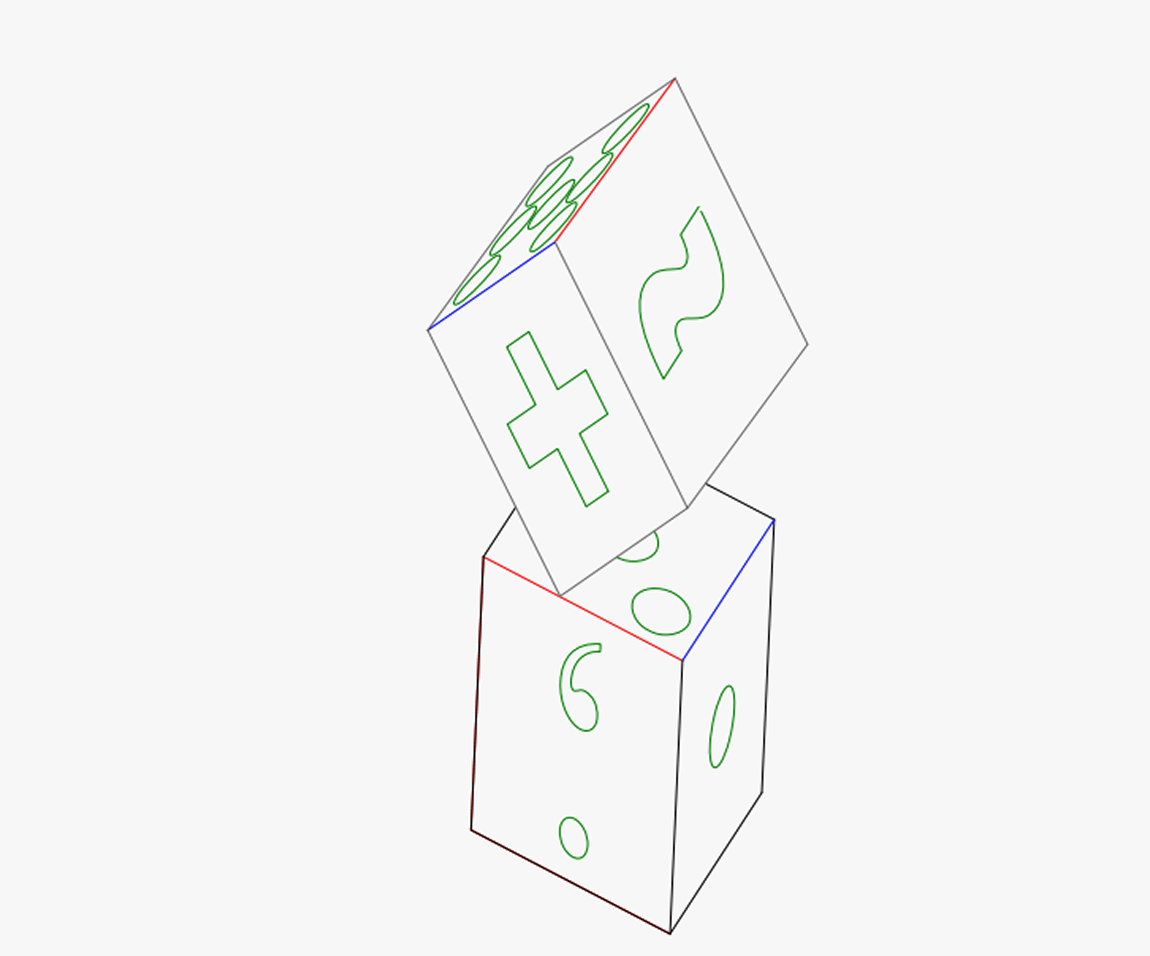
The primary intent of the project is to shift architectural thinking away from form-making driven by intuition alone, toward a rule-based visual methodology. By working with subdivision systems, the project asks how complexity can emerge from repetition and constraint rather than expressive gesture. Subdivision is understood here as both a spatial and conceptual operation. On one level, it organizes surfaces, volumes, and grids; on another, it establishes visual rhythm, density, and hierarchy. The project intentionally avoids predefined architectural programs, allowing visual logic to guide the formation of spatial systems. This approach encourages an open-ended design process, where outcomes are not fully predetermined. Instead, form evolves through continuous testing, observation, and refinement, reinforcing the idea that architectural intelligence can be embedded within systems rather than imposed externally.
Theoretical & Representational References
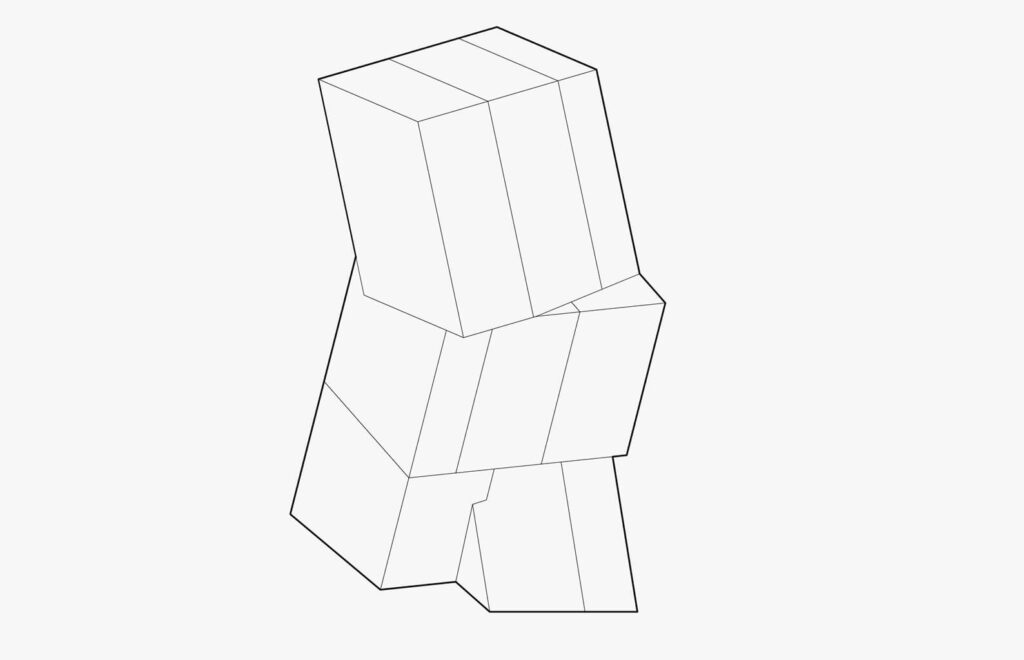
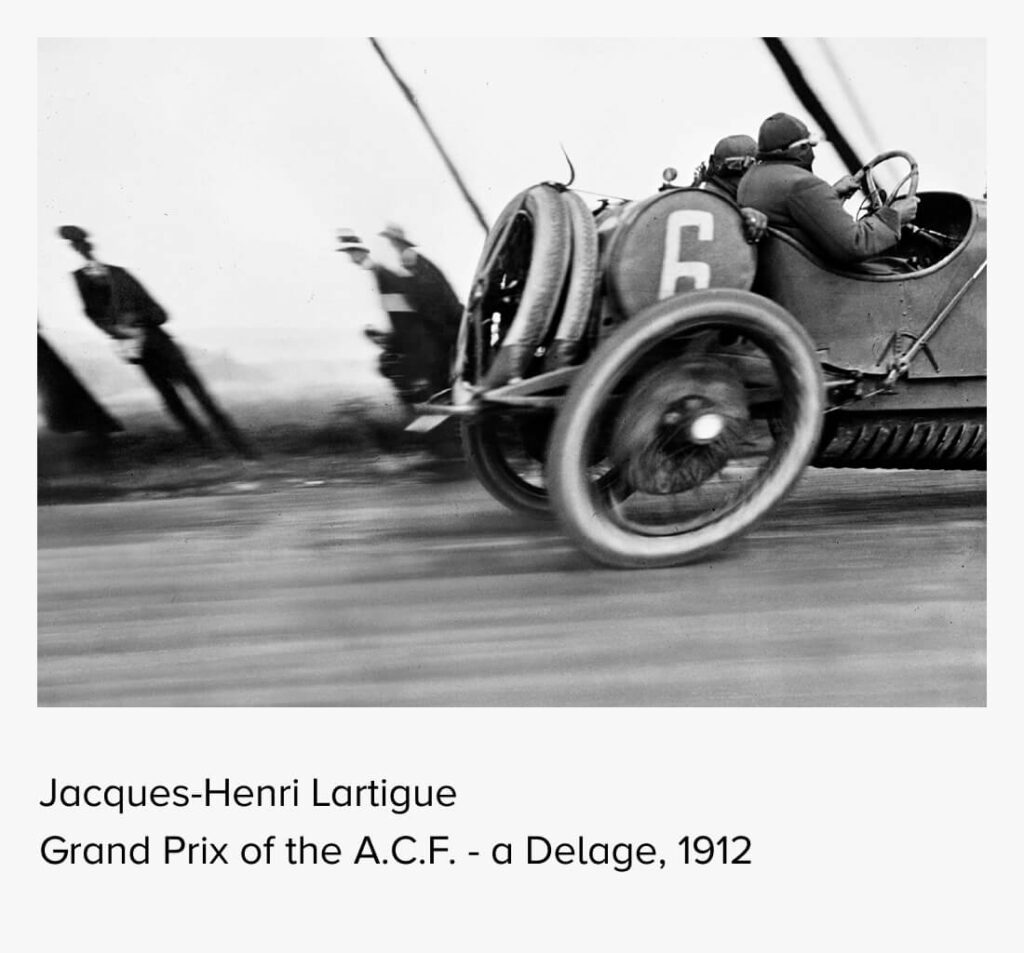
The project draws inspiration from architectural drawing traditions that prioritize analytical clarity and system-based thinking. References include modernist grid systems, structural diagrams, and research-based architectural practices where drawings function as autonomous artifacts. Additionally, the work is informed by theories of visual perception and pattern recognition. The subdivision systems explore how the human eye interprets density, repetition, and variation, revealing how minor adjustments can significantly alter spatial readings. By situating the work between architecture, graphic systems, and visual research, the project challenges disciplinary boundaries and expands the role of architectural representation beyond conventional design outputs.
Subdivision Logic & System Rules
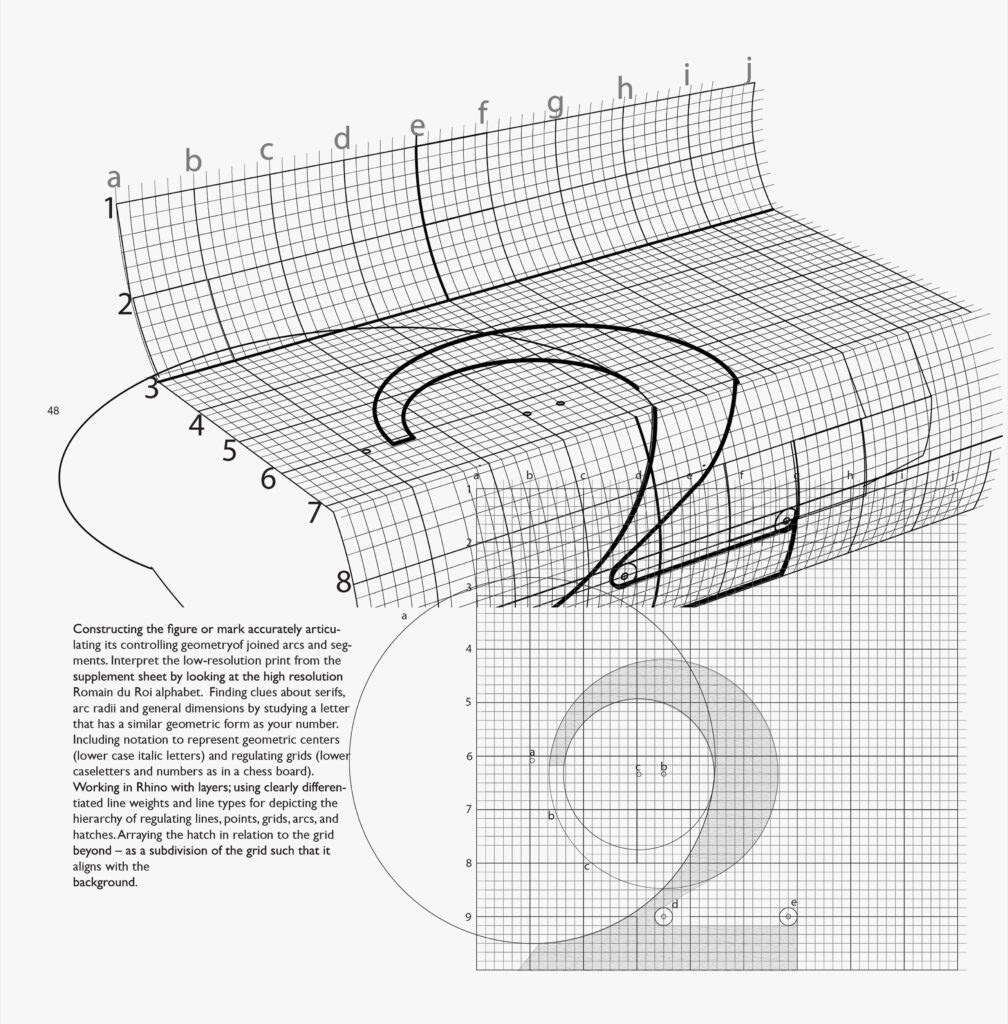
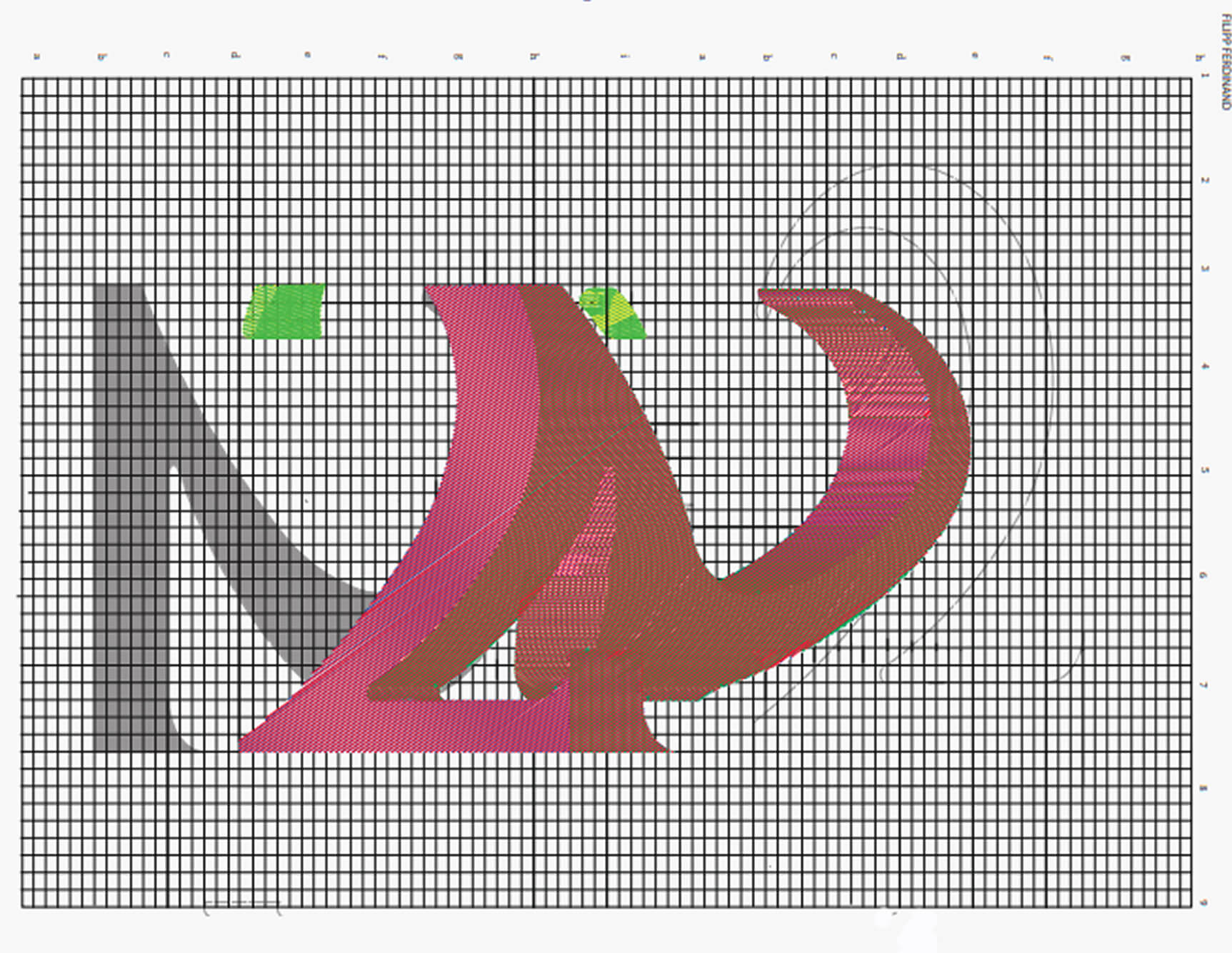
At the core of the project lies a set of subdivision rules that govern the generation of visual structures. These rules define how an initial geometric field is divided, repeated, and transformed across multiple iterations. Parameters such as scale, orientation, proportion, and spacing are systematically adjusted to test their impact on overall composition. The subdivision logic operates incrementally, allowing complexity to build gradually. Rather than producing a single dominant figure, the system generates layered fields of information where no single element takes precedence. This creates drawings that are simultaneously ordered and dynamic. By maintaining strict control over the rules while allowing variation within those constraints, the project demonstrates how architectural richness can emerge from disciplined systems rather than arbitrary decisions.
Process & Iterative Development
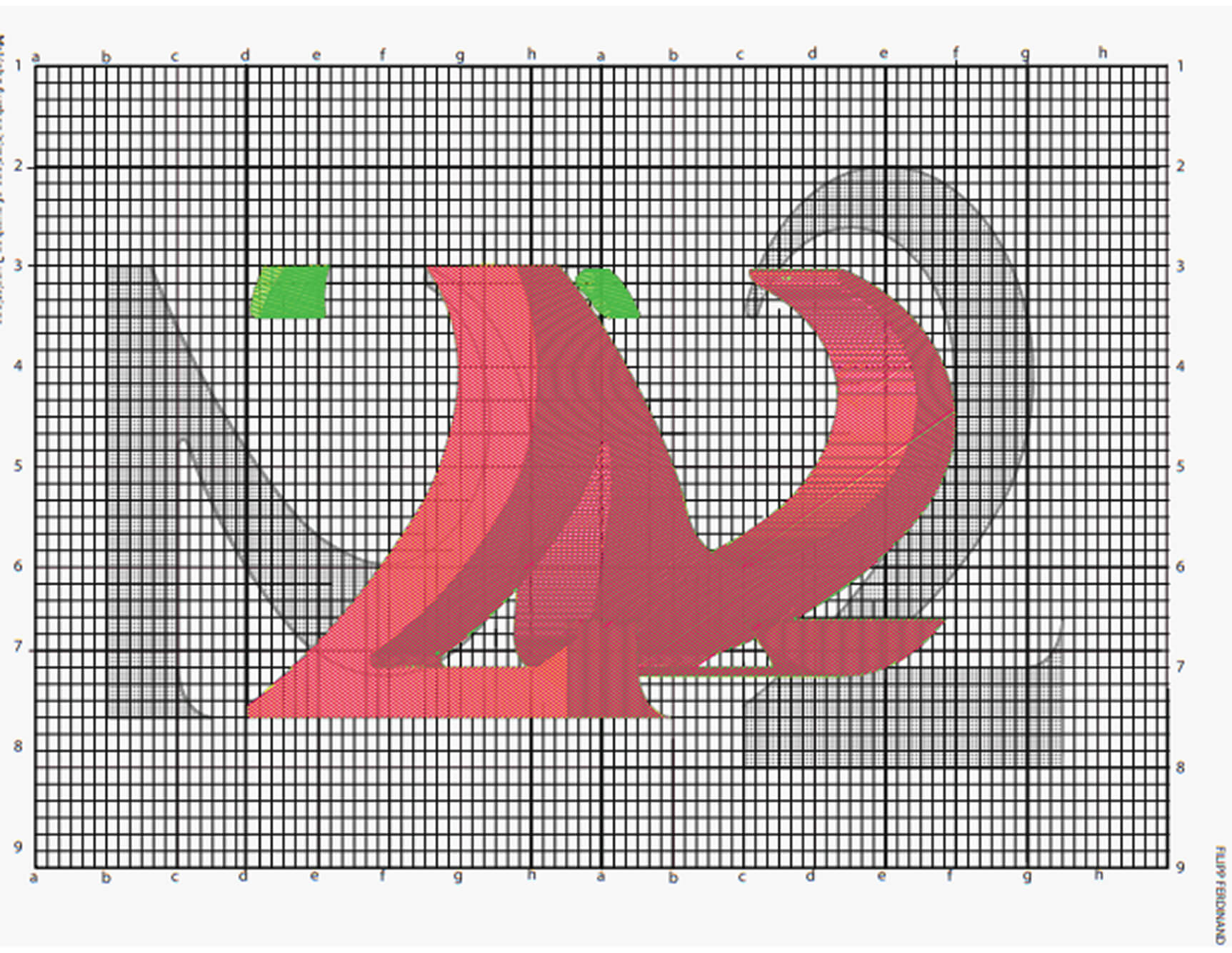
The project developed through a sequence of iterative drawing exercises. Each iteration builds upon the previous one, refining the subdivision system while introducing new variables. This process-oriented approach emphasizes learning through making, where each drawing reveals both limitations and possibilities within the system. Early studies focused on two-dimensional grids and planar subdivisions, establishing a visual language of lines, fields, and densities. As the work progressed, these systems were extended into three-dimensional explorations, introducing depth, layering, and spatial reading. The iterative nature of the project allowed for continuous feedback between drawing and analysis. Observations made at each stage informed subsequent decisions, resulting in a coherent yet evolving body of work.
PERSPECTIVE
Spatial Interpretation & Architectural Potential
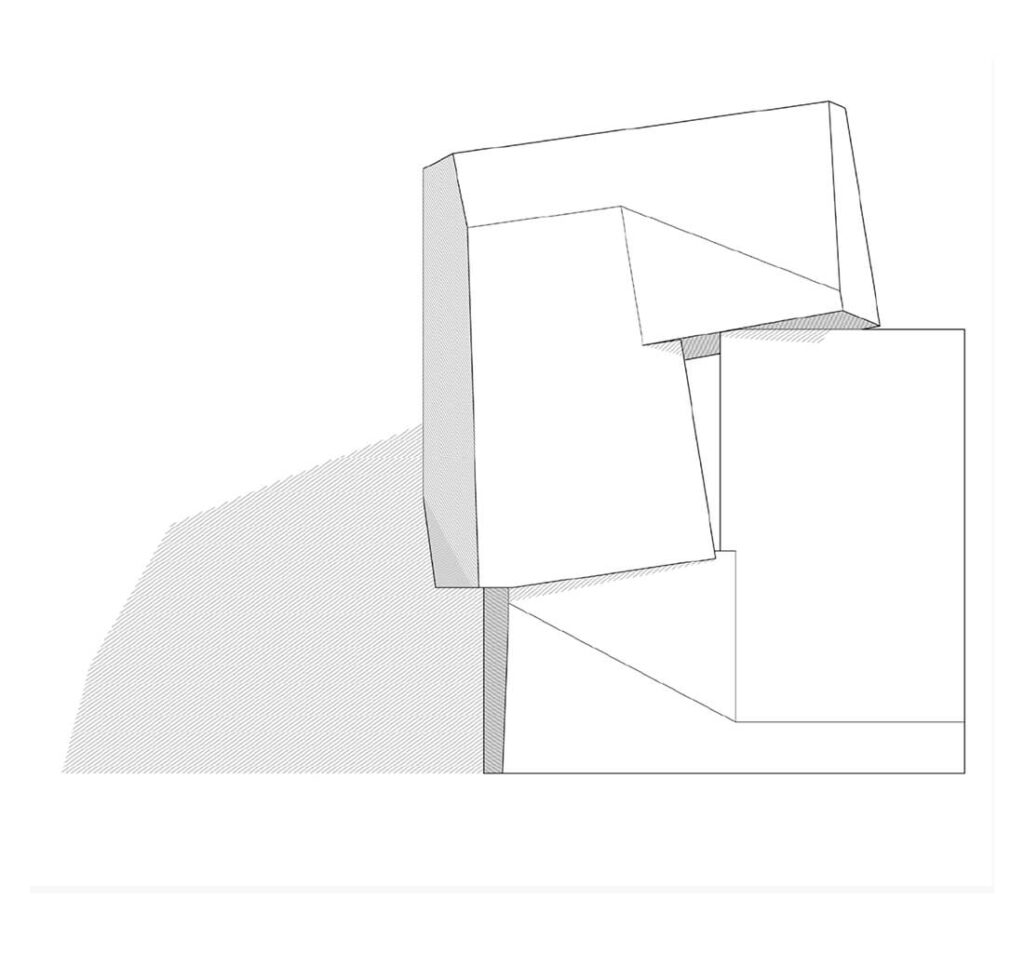
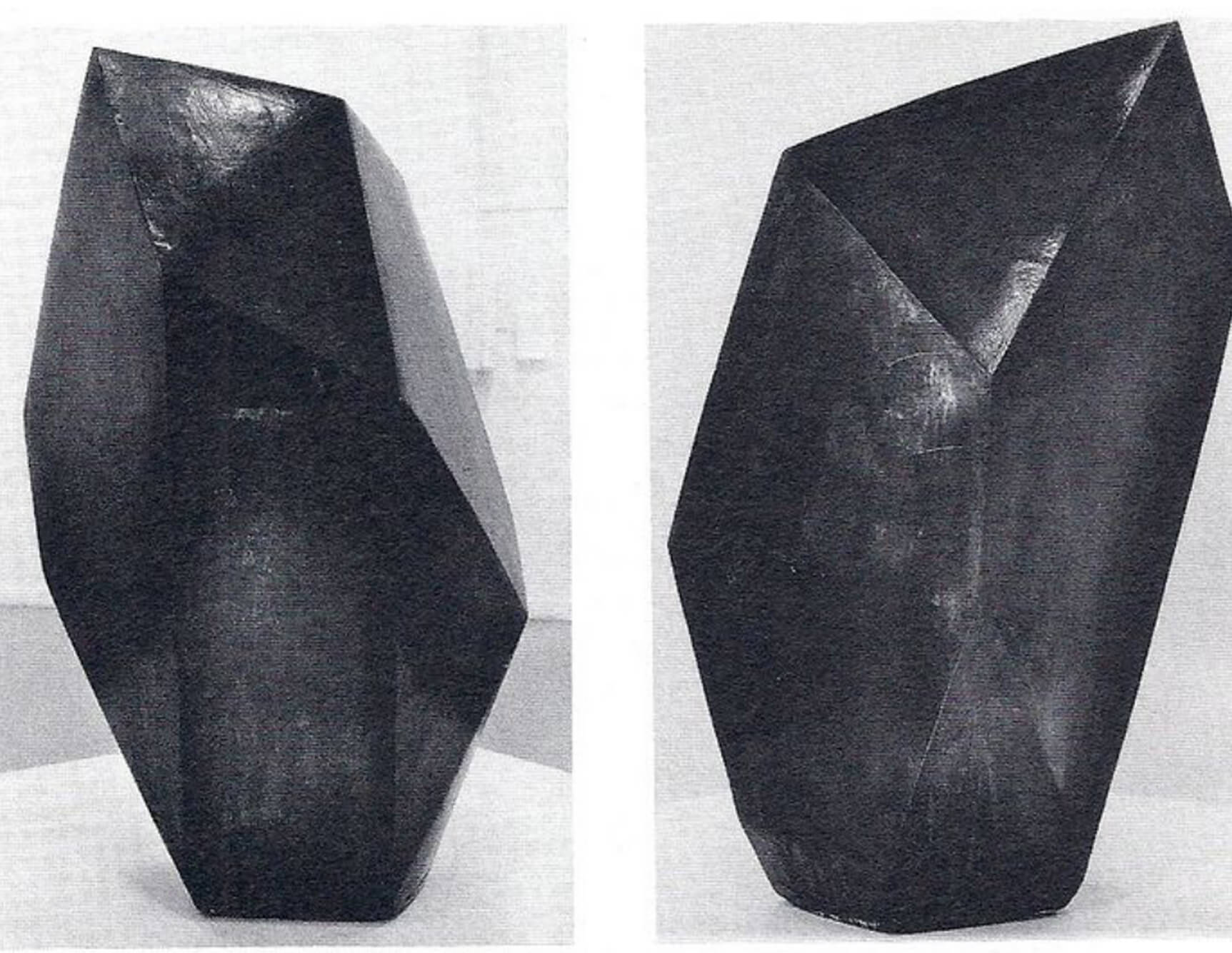
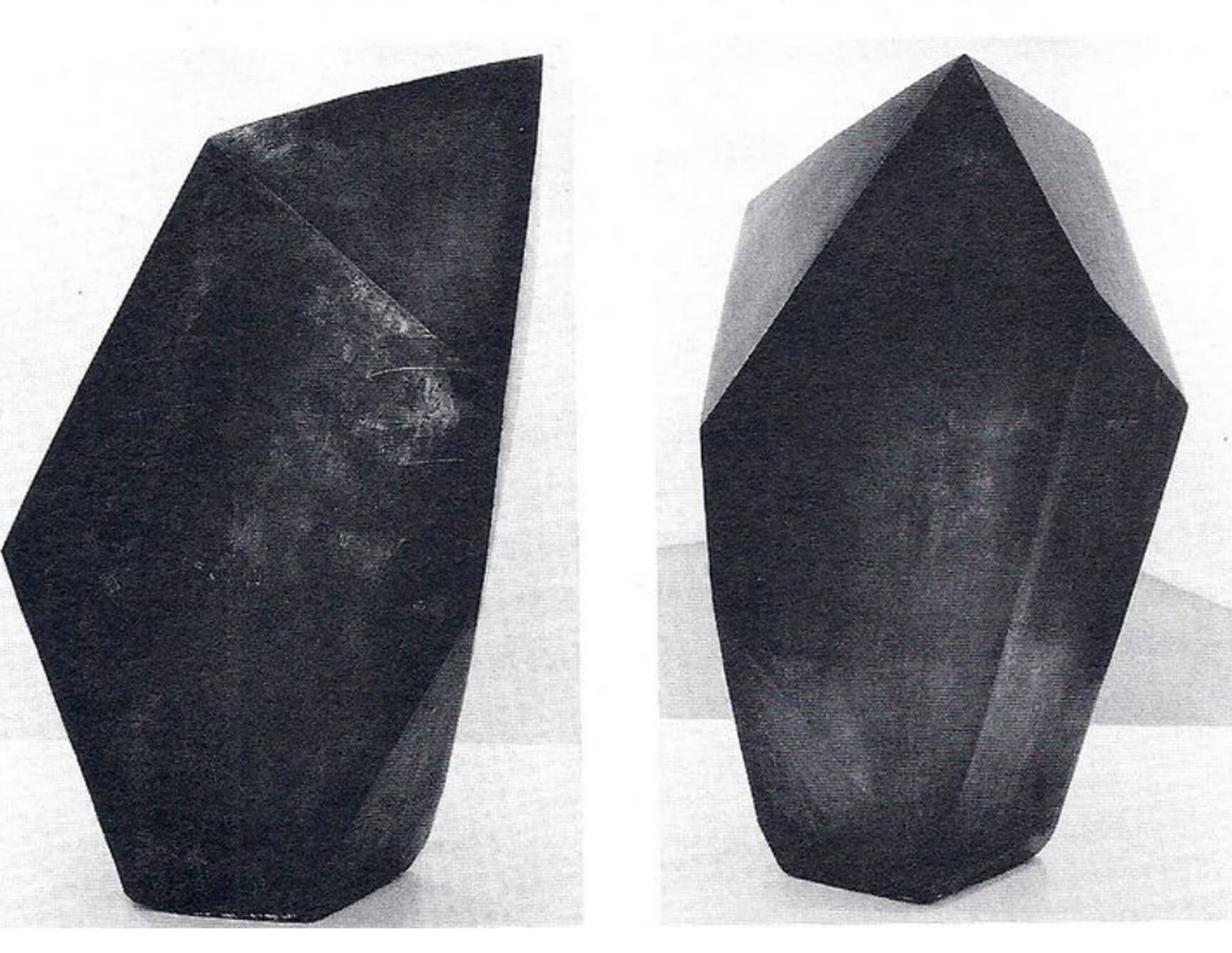
Although the project does not propose a specific building, it remains deeply architectural in nature. The subdivision systems suggest potential spatial conditions such as circulation paths, structural frameworks, and zones of occupation. Certain drawings imply sectional depth, while others suggest volumetric articulation. These readings are intentionally left open-ended, encouraging interpretation rather than prescription. The work positions architecture as a field of possibilities generated through visual logic rather than finalized form. This speculative quality allows the project to function as a foundation for future architectural applications, where the subdivision systems could be translated into built form at various scales.
Graphic Language & Visual Hierarchy
A consistent graphic language is maintained throughout the project to ensure clarity and coherence. Line weights, tonal variation, and compositional balance are carefully controlled to establish hierarchy within the drawings. The use of subdivision naturally produces areas of visual density and openness, guiding the viewer’s eye across the composition. These visual hierarchies reinforce the underlying system logic, making the drawings both analytical and expressive. By limiting the graphic palette, the project avoids visual noise and emphasizes the structural qualities of the subdivision systems.
Representation & Tools Used
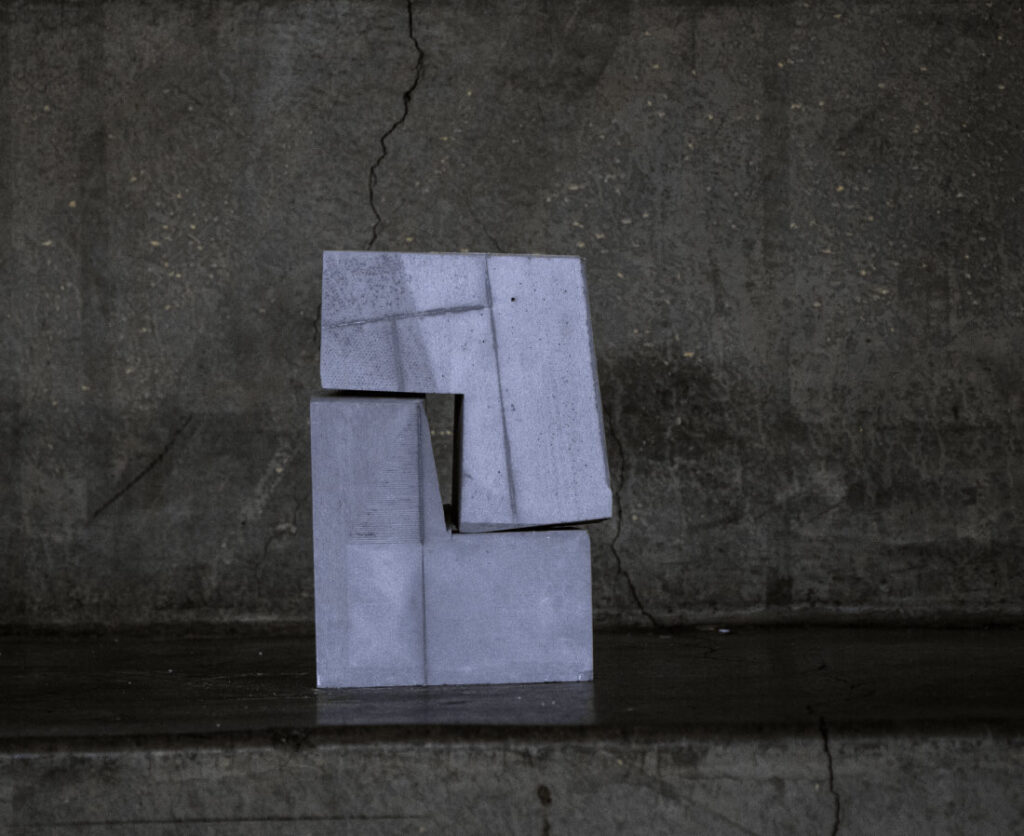
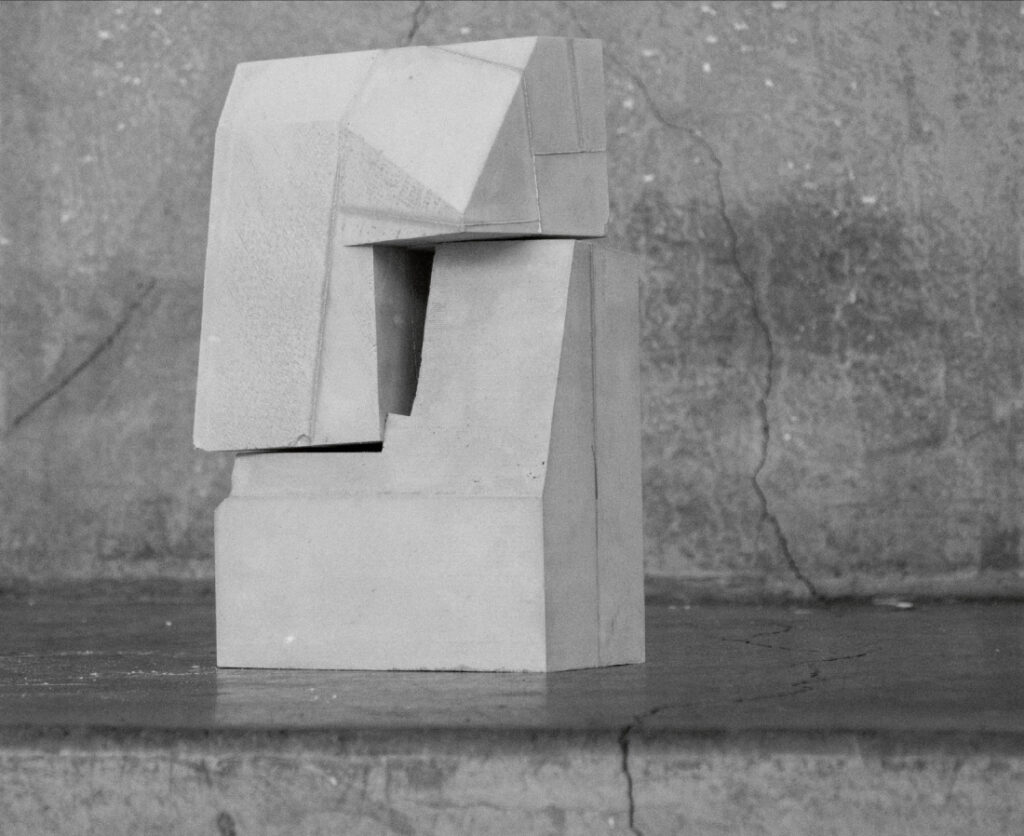
The project primarily utilizes digital drawing tools to achieve precision and consistency. Software such as Rhino was used to generate geometric frameworks, while Illustrator facilitated detailed control over line work and visual hierarchy. In addition to digital methods, hand sketches and physical overlays were used to test compositional balance and spatial reading. This hybrid workflow allowed for both precision and intuitive exploration. The emphasis on representation as a design tool underscores the project’s central argument: that drawing itself can be an architectural act.
Architectural Resolution
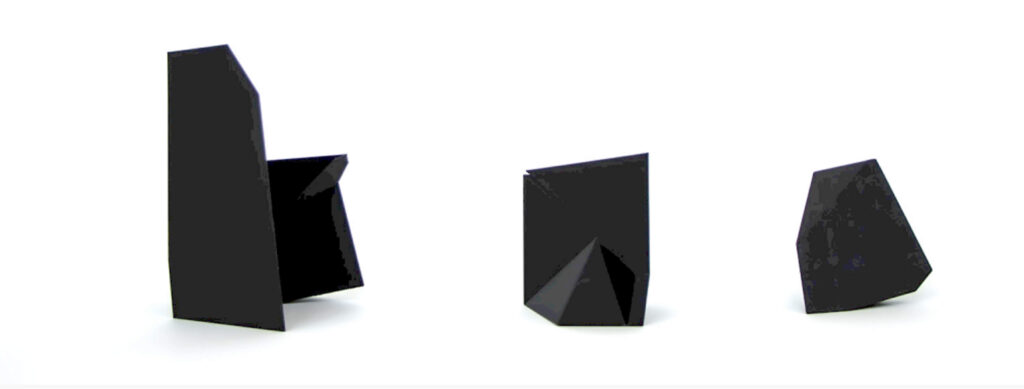
Rather than resolving into a single architectural proposal, the project concludes as a structured visual archive of research-based drawings. This resolution reflects the project’s emphasis on process, system, and exploration. The collected works demonstrate how subdivision systems can generate diverse spatial readings while remaining grounded in consistent rules. The project positions itself as a framework for thinking rather than a finished object, reinforcing the value of visual research within architectural practice.
Critical Reflection
The Visual Studies project highlights the importance of representation as an active component of architectural thinking. By focusing on subdivision systems, the work reveals how complexity, order, and spatial potential can emerge from disciplined visual logic. The project challenges conventional expectations of architectural output by prioritizing research, iteration, and abstraction. It suggests that architecture can be understood not only through buildings, but through the systems and visual structures that precede them. Ultimately, the project frames architectural drawing as both a method of inquiry and a form of knowledge production.