
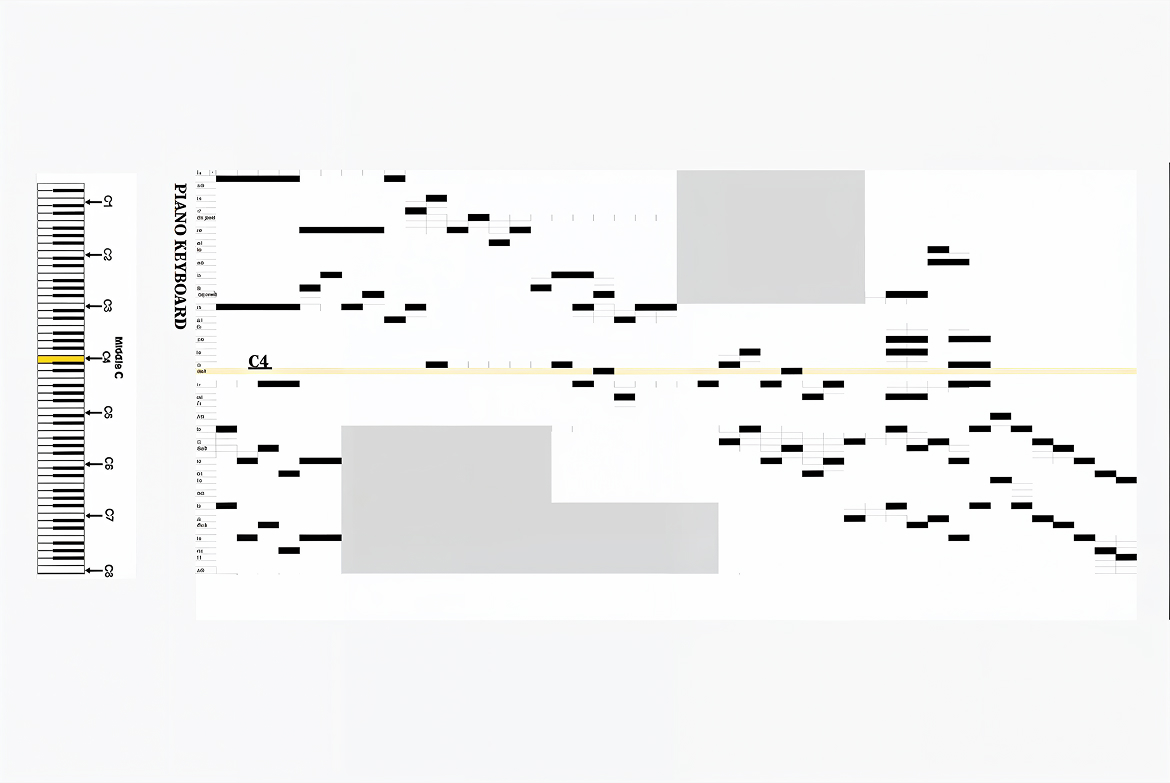
Project Overview
The Material Studies project investigates architecture through the lens of material behavior, assembly, and transformation. Rather than treating material as a surface or finishing layer, the project positions it as an active design driver that influences form, structure, and spatial perception. Through a series of controlled studies, the project explores how material properties—such as thickness, rigidity, flexibility, and texture—can generate architectural logic. The work unfolds as a collection of experiments that examine how materials respond to manipulation, subdivision, and assembly. Each study focuses on understanding material constraints and opportunities, revealing how physical behavior can inform spatial organization. The project emphasizes process over final outcome, using material testing as a method of architectural inquiry. By foregrounding material behavior, the project challenges conventional design approaches that prioritize form before substance. Instead, architecture emerges from the interaction between material systems and applied rules, reinforcing the idea that material intelligence can shape architectural thinking from the outset.
Concept & Intent
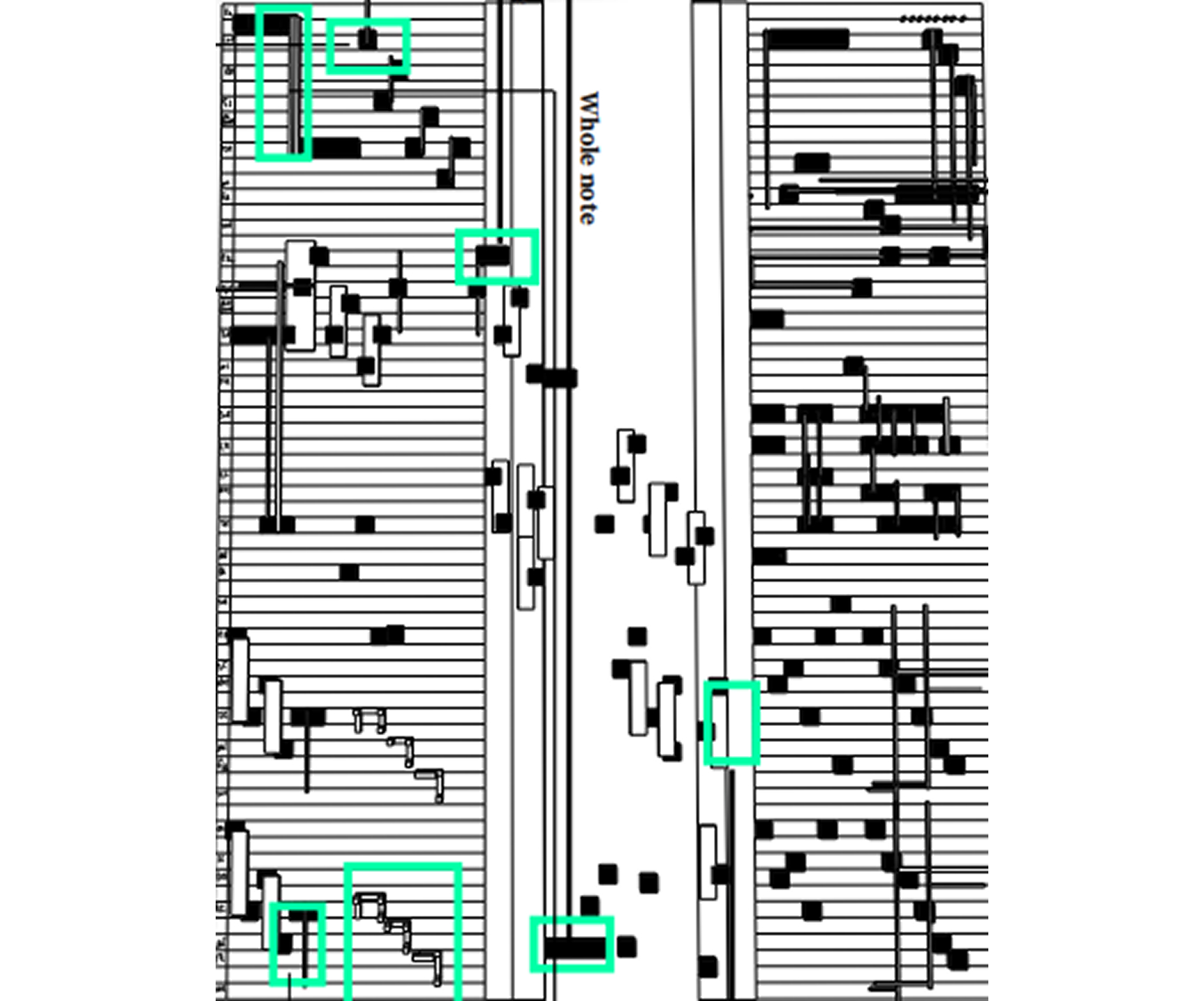
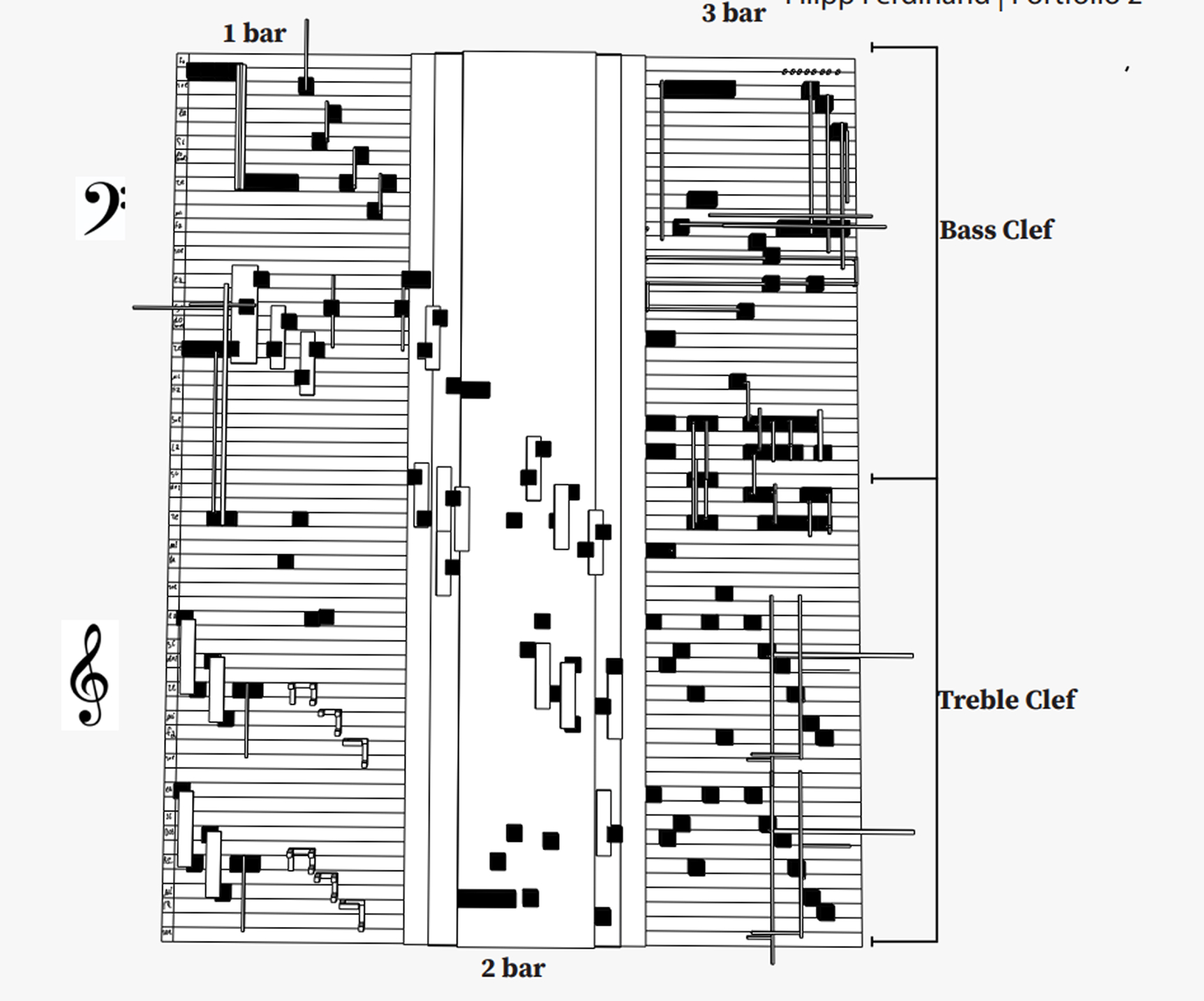
The central intent of the project is to explore how material properties can act as generative tools rather than passive elements. Instead of imposing form onto material, the project allows material characteristics to guide decisions related to structure, subdivision, and spatial articulation. Material is understood here as both a physical and representational medium. Through cutting, folding, layering, and assembling, the studies investigate how simple operations can produce complex outcomes. The intent is not to achieve refined architectural objects, but to understand how material logic can inform architectural systems. This approach reframes architectural authorship by shifting focus away from visual control toward responsive design. The architect’s role becomes one of observation and calibration, responding to material behavior rather than dictating it.
Theoretical & Architectural References
The project draws from architectural and artistic practices that prioritize material experimentation and tectonic expression. References include traditions of material-driven design, structural rationalism, and experimental fabrication where making is central to conceptual development. The work is also informed by theories of material agency, which argue that materials actively participate in the design process. Rather than being neutral substances, materials are seen as collaborators that shape form through resistance, flexibility, and constraint. By engaging with these references, the project situates itself within a lineage of architecture that values construction logic, tactile experience, and material honesty.
Material Logic & System Rules
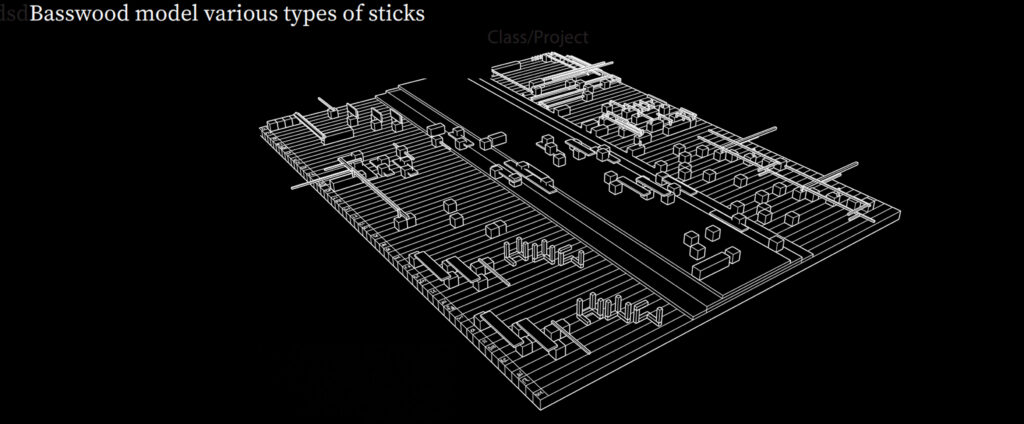
Each study within the project follows a defined set of material rules. These rules govern how materials can be cut, folded, layered, or assembled. By limiting operations, the project establishes a consistent framework within which variation can occur. Subdivision plays a key role in organizing material behavior. Through systematic division of surfaces and volumes, the project tests how material performance changes across scale and density. Some studies emphasize rigidity and structure, while others explore flexibility and deformation. The system-based approach ensures that outcomes remain coherent while allowing material-specific qualities to emerge naturally.
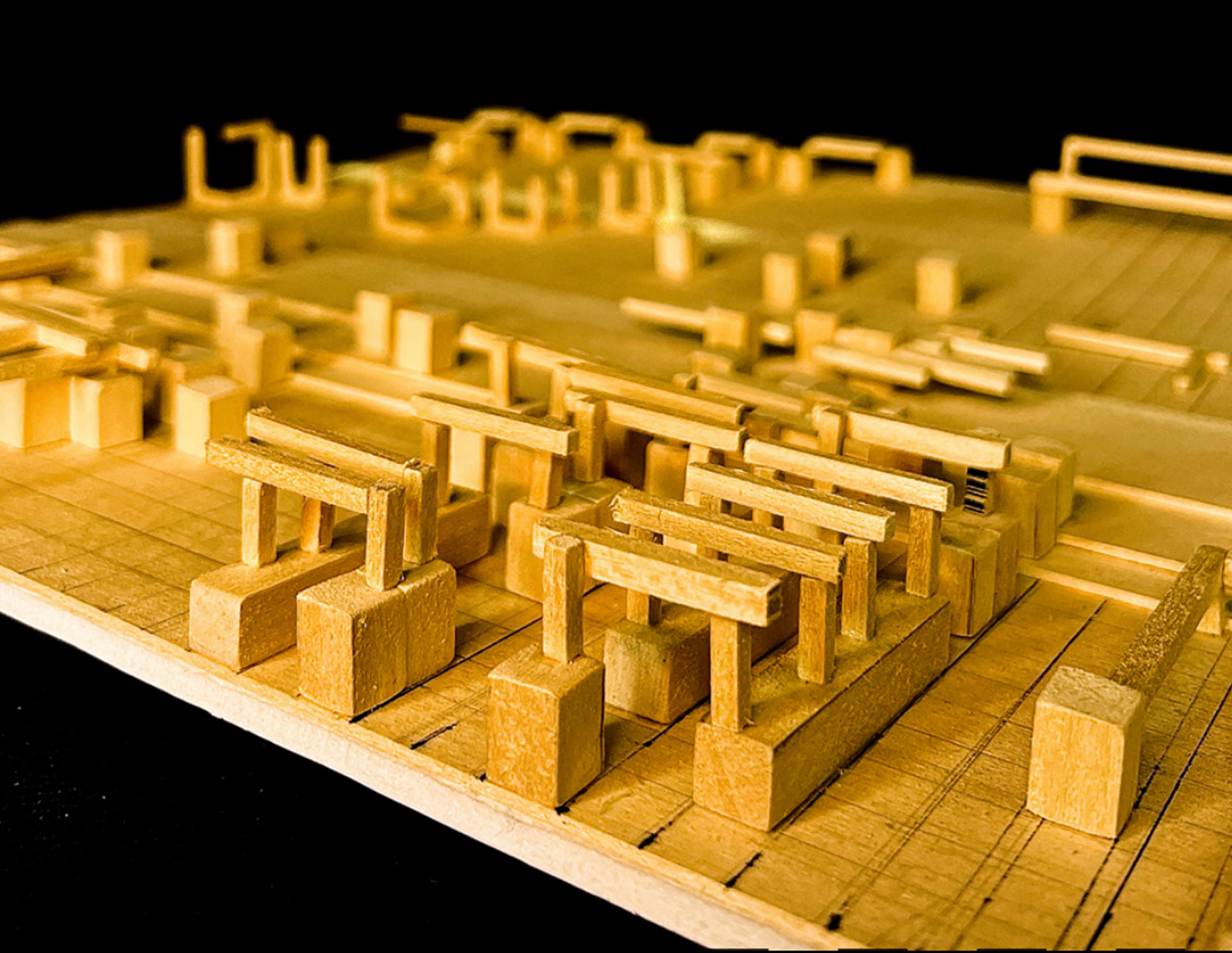
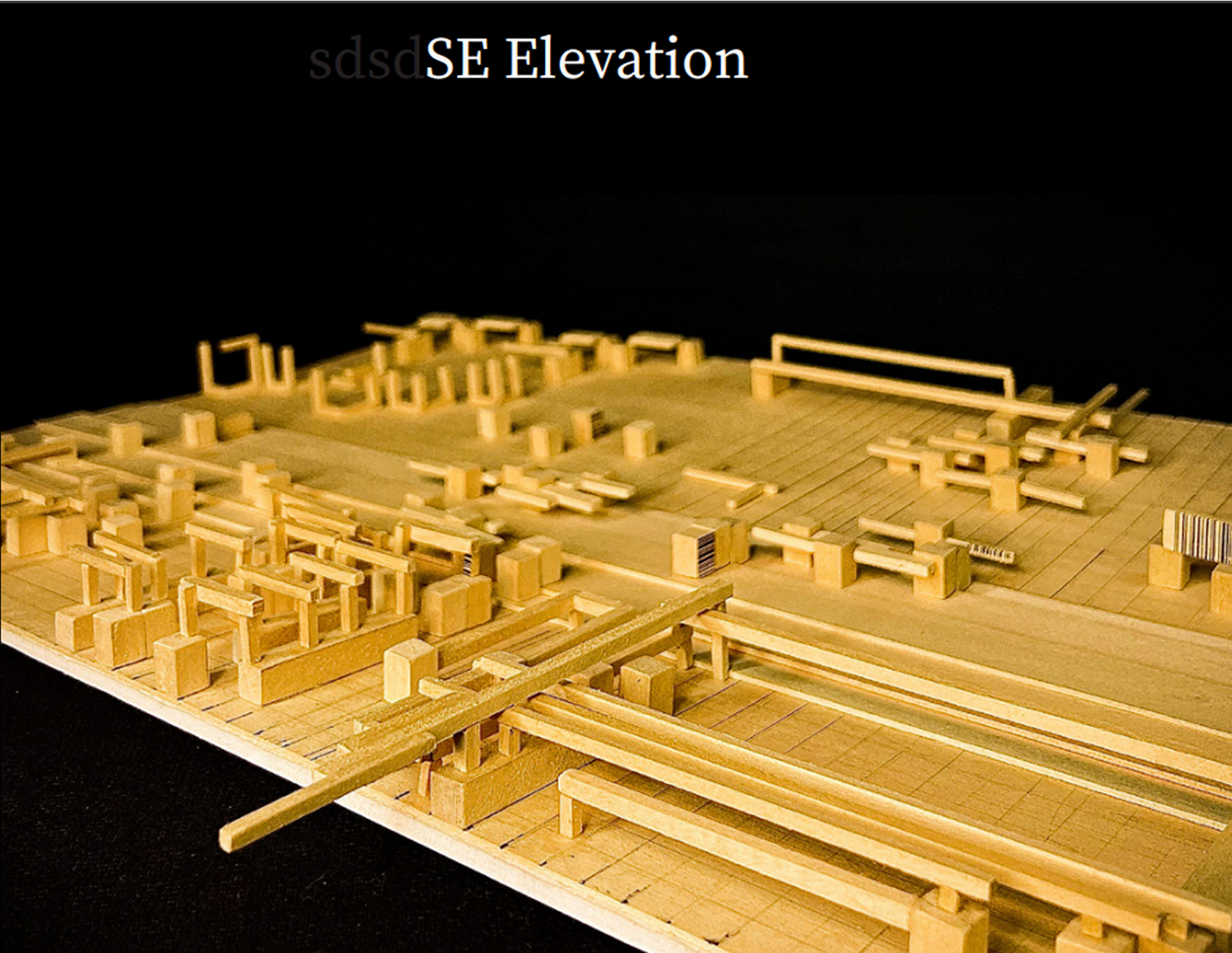
Process & Iterative Development
The project developed through iterative cycles of making, observation, and adjustment. Initial studies focused on basic material operations, establishing an understanding of behavior and limits. Subsequent iterations introduced increased complexity through layering, aggregation, and repetition. Each iteration informed the next, creating a feedback loop between material testing and conceptual refinement. Failures and imperfections were treated as productive moments, revealing new possibilities and constraints. This iterative methodology reinforces the project’s emphasis on learning through making, positioning material experimentation as a form of architectural research.
Spatial Interpretation & Architectural Potential
Although rooted in small-scale studies, the project maintains clear architectural implications. The material systems suggest structural frameworks, enclosure strategies, and spatial divisions that could be translated into larger architectural contexts. Certain studies imply wall systems, shading devices, or structural skins, while others suggest interior partitions or spatial filters. These readings are intentionally left open-ended, allowing the material logic to operate across multiple scales. The project positions material studies as speculative prototypes rather than finished solutions, emphasizing potential over prescription.
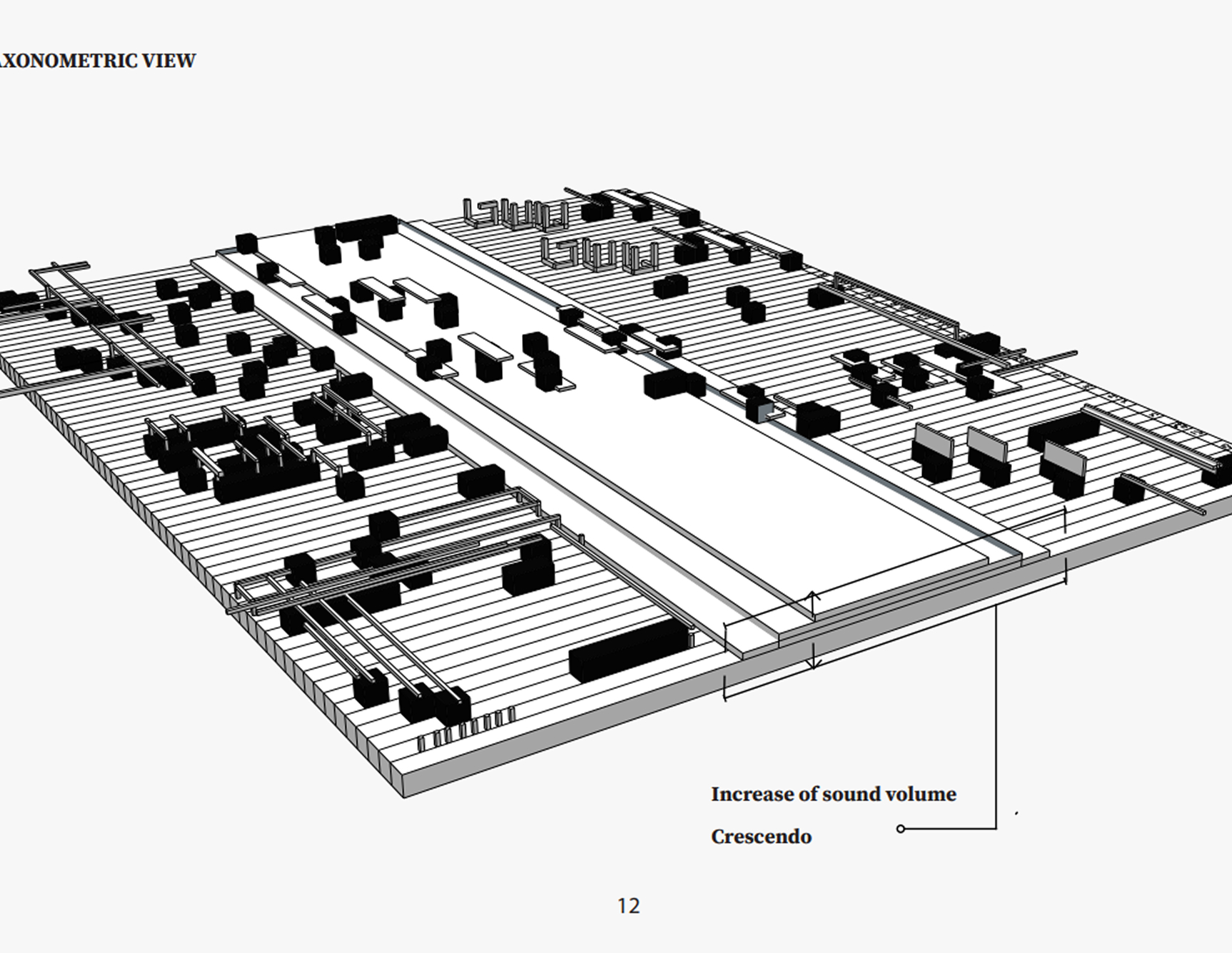
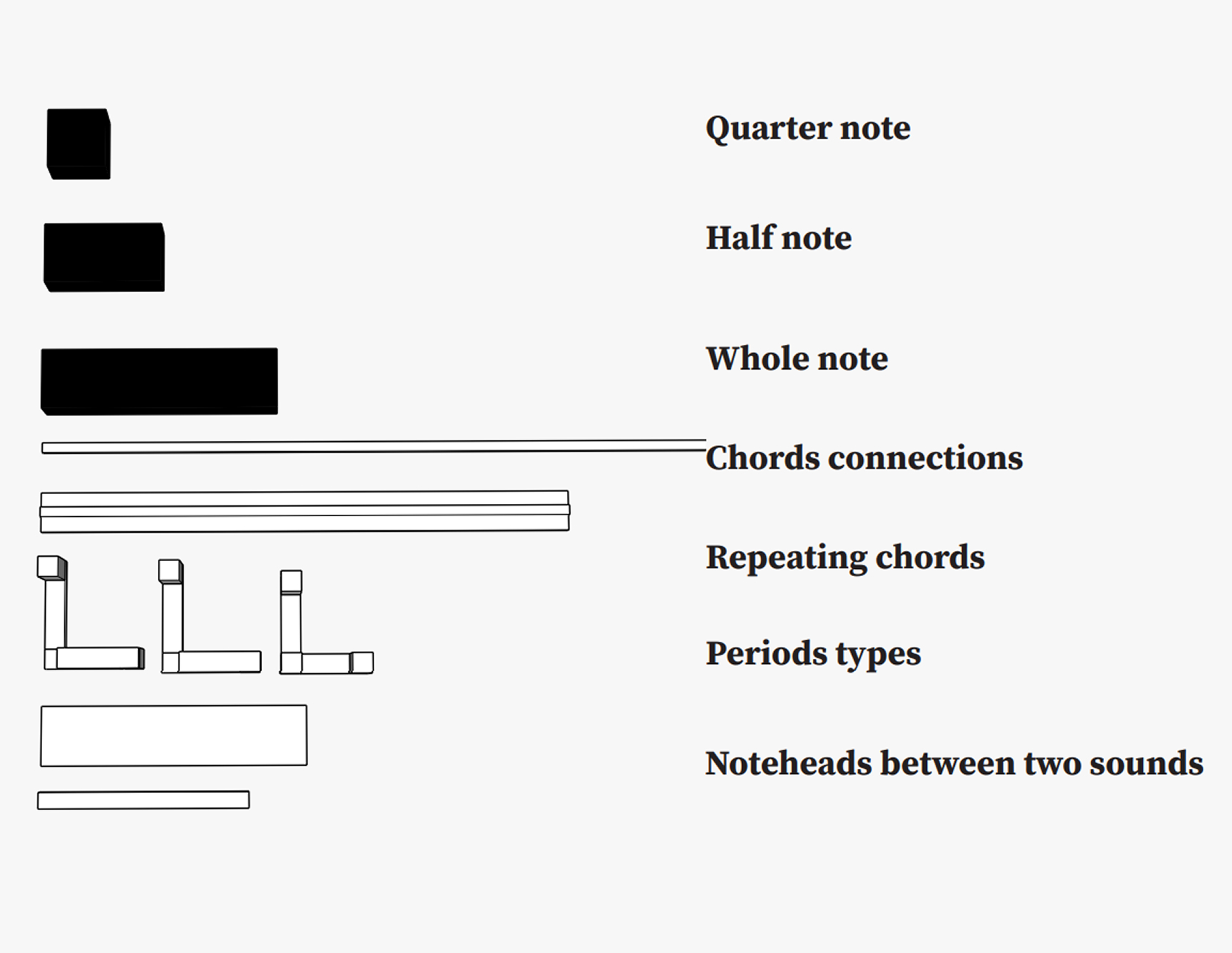
Graphic Language & Representation Strategy
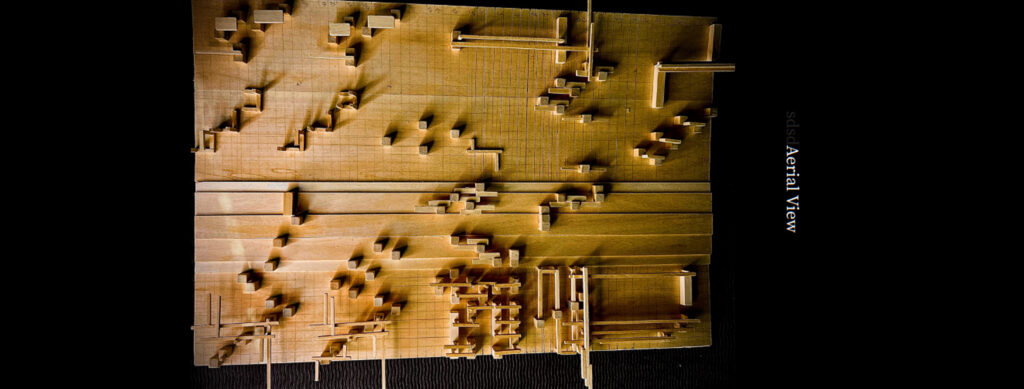
Representation plays a crucial role in communicating material behavior. Drawings and photographs are used to document processes, transformations, and outcomes. Graphic clarity is prioritized to ensure that material logic remains legible. Line drawings emphasize structural relationships, while photographic documentation captures texture, depth, and physical response. Together, these representational modes create a comprehensive record of material exploration. The restrained graphic approach ensures that attention remains focused on material performance rather than stylistic embellishment.
Representation & Tools Used
The project employs a combination of physical fabrication and digital representation tools. Hand tools and simple fabrication techniques were used to manipulate materials directly, allowing for immediate feedback and tactile understanding. Digital tools such as Rhino and Illustrator were used to analyze geometries, document iterations, and refine visual communication. This hybrid workflow bridges the gap between physical making and architectural representation. Representation is treated as an extension of material experimentation rather than a separate phase.
Architectural Resolution
The project resolves as a curated collection of material studies that collectively demonstrate the role of material logic in architectural design. Rather than concluding with a singular architectural proposal, the work emphasizes accumulated knowledge gained through experimentation. The resolution highlights how material behavior can inform architectural systems, offering insights that extend beyond individual studies. The project positions material research as a foundational aspect of architectural practice.
Critical Reflection
Material Studies underscores the importance of material engagement in architectural thinking. By prioritizing material behavior over preconceived form, the project reveals alternative pathways for generating architectural ideas. The work challenges form-driven design approaches and advocates for a more responsive and process-oriented methodology. It suggests that architecture gains depth and relevance when material logic is integrated from the earliest stages of design. Ultimately, the project frames material experimentation as a critical tool for architectural innovation and research.