
Project Overview
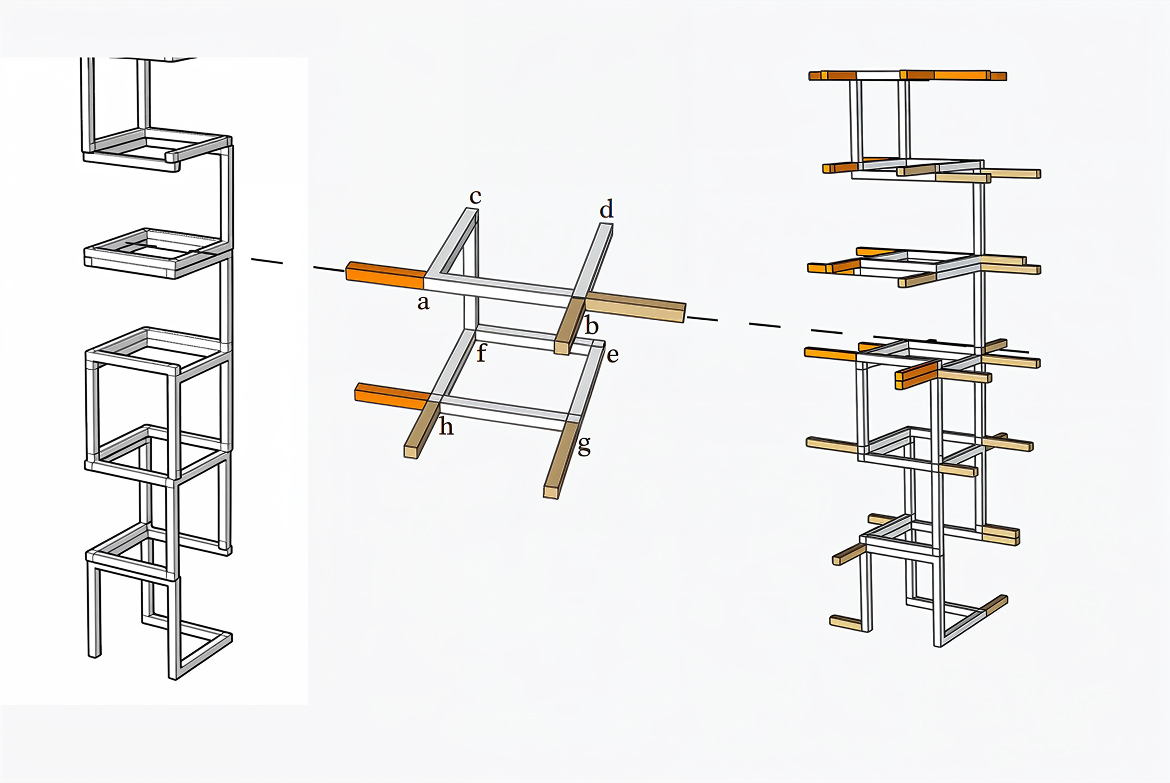
The Periodic Table Tower project explores the translation of scientific classification systems into architectural form. Using the periodic table of elements as a structural and organizational framework, the project investigates how abstract data relationships can be spatialized into a vertical architectural system. Rather than treating the periodic table as a graphic reference, the project interprets it as a generative matrix capable of producing architectural order, hierarchy, and spatial logic. The tower emerges from the systematic arrangement of elements based on their atomic properties, groupings, and relationships. These scientific parameters inform the building’s vertical organization, massing, and internal structure. The project demonstrates how architecture can act as a spatial manifestation of knowledge, where data becomes inhabitable form. By working with a universally recognized scientific system, the project positions architecture as an interface between information and experience, transforming numerical logic into spatial clarity.
Concept & Intent
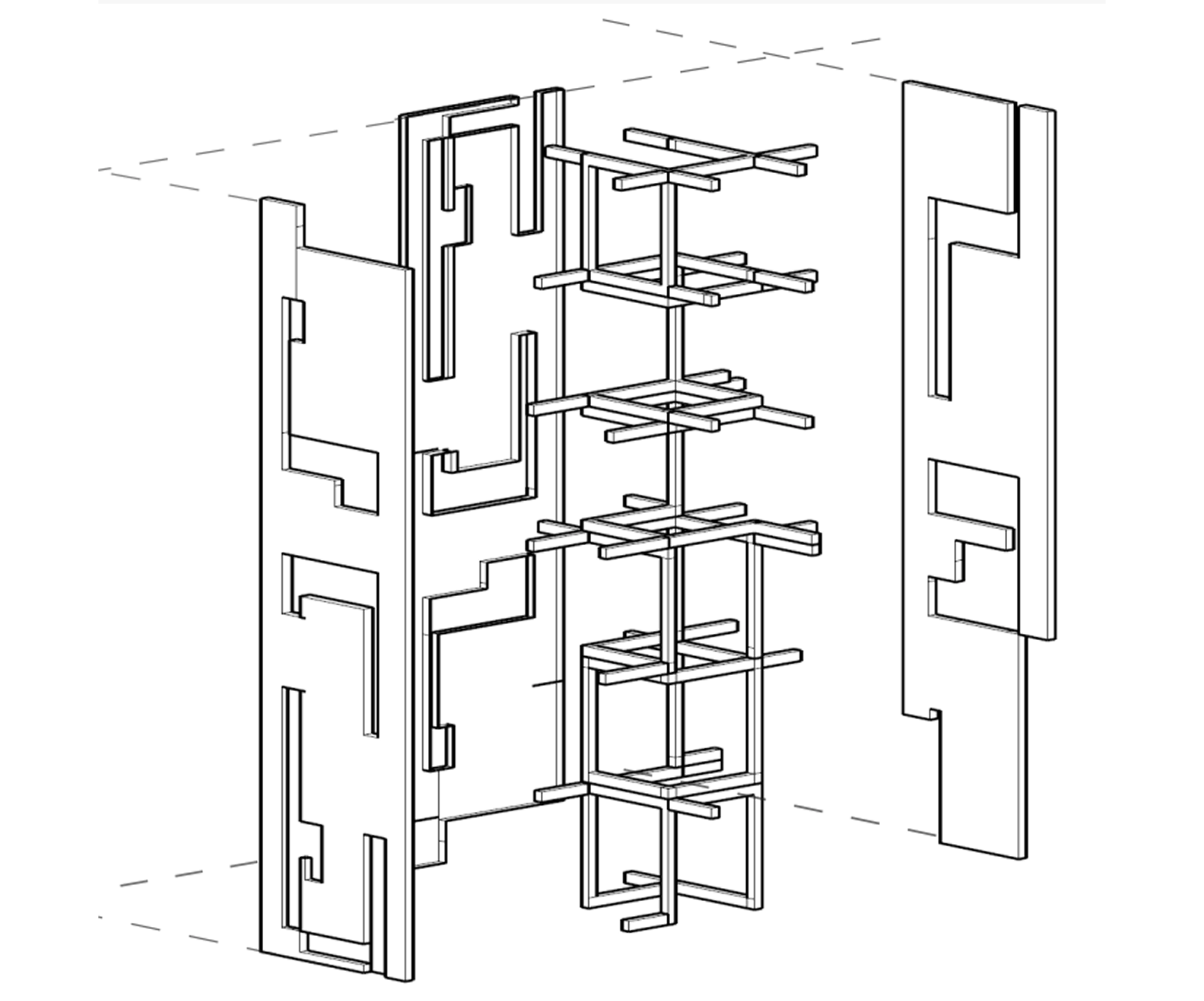
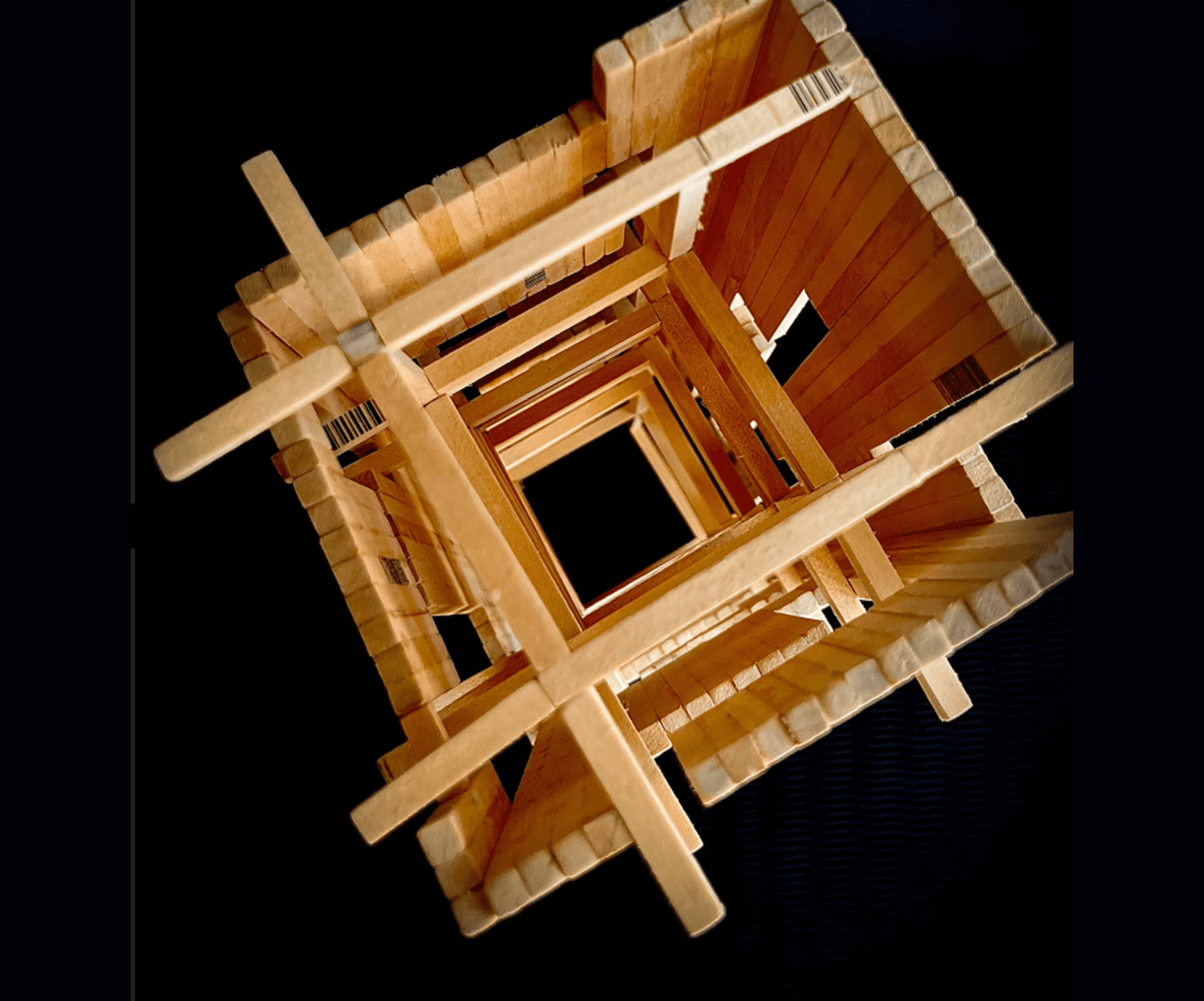
The primary intent of the project is to investigate how non-architectural data systems can inform architectural organization without becoming superficial metaphors. The periodic table is not used symbolically, but structurally, guiding decisions related to stacking, grouping, and spatial differentiation. The tower format is deliberately chosen to reflect the vertical logic of classification and hierarchy present within the periodic table. Each architectural layer corresponds to specific data relationships, translating atomic characteristics into spatial variation. The project emphasizes clarity, order, and systematic progression over expressive form-making. Through this approach, the project challenges intuition-driven design methods and proposes a rational, data-based alternative that still produces spatial richness and architectural identity.
Theoretical & Scientific References
The project draws inspiration from architectural theories that engage with classification, order, and modular systems. References include modernist approaches to rational planning, structural logic, and architecture as an expression of knowledge systems. Scientific visualization methods also inform the project’s representational approach. The periodic table itself is understood as a spatial diagram that organizes complex information into a readable structure. This understanding allows the project to bridge scientific logic and architectural thinking. By combining architectural theory and scientific classification, the project situates itself within a broader discourse on information-driven design.
Data Logic & Organizational System
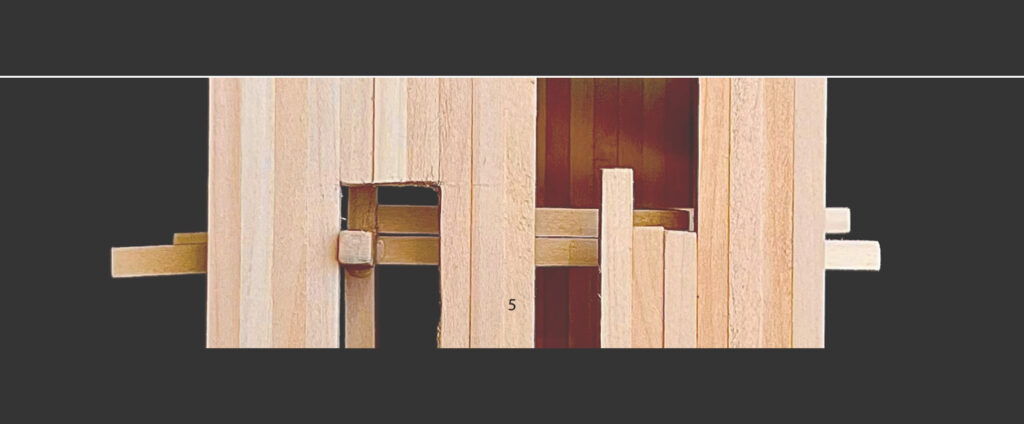
At the core of the project lies a rule-based system derived from the periodic table. Element groupings, atomic numbers, and categories are translated into architectural parameters such as floor height, spatial density, and programmatic differentiation. The organizational system maintains consistency across the tower, ensuring that variation emerges from data relationships rather than arbitrary design decisions. Repetition and hierarchy are carefully calibrated to preserve legibility while allowing spatial complexity. This system transforms the tower into a vertical data field, where each layer contributes to a cohesive architectural structure grounded in scientific logic.
Process & Iterative Development
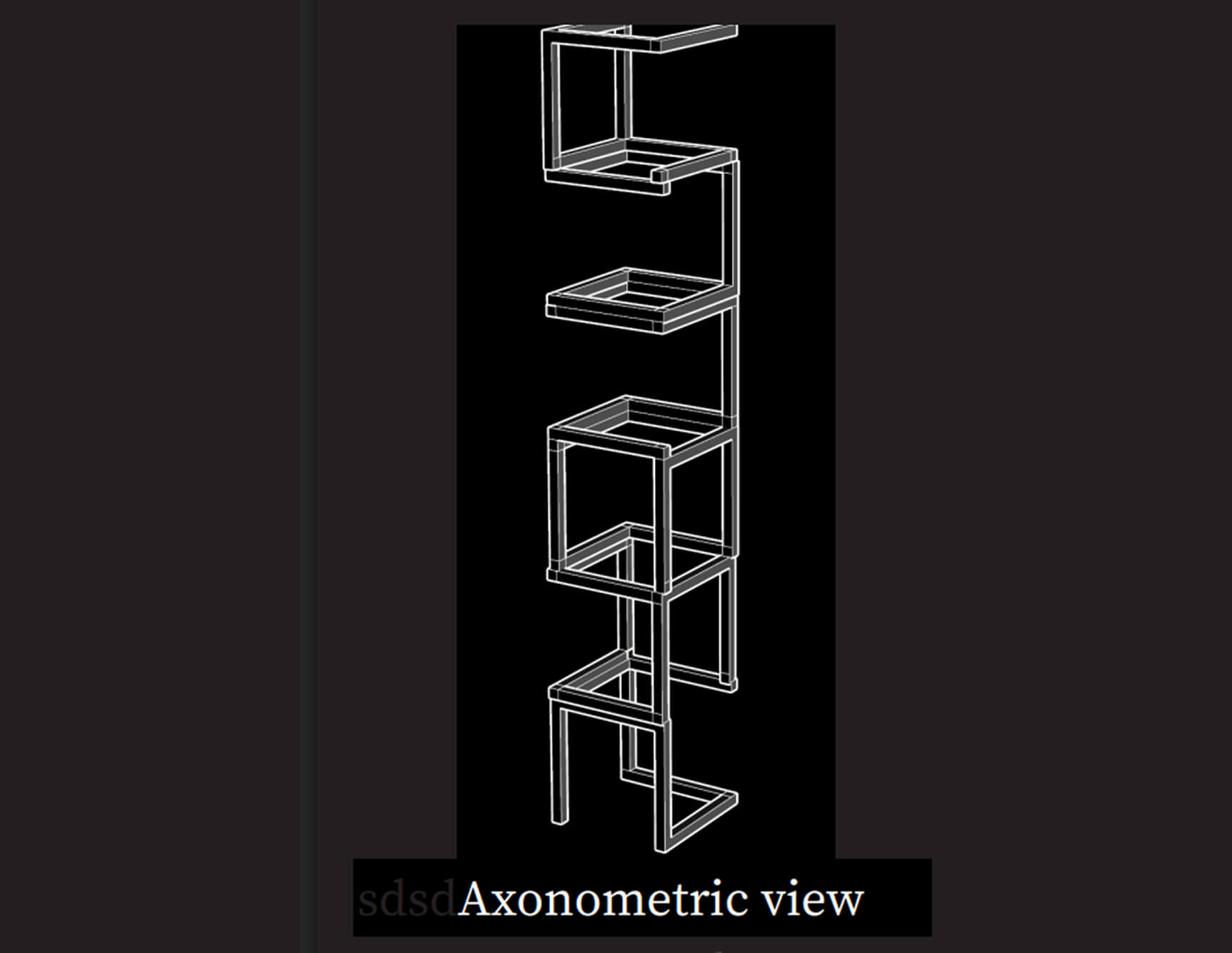
The project developed through a series of analytical studies that tested different methods of translating data into spatial form. Early iterations focused on diagrammatic mappings between elements and architectural units. These diagrams were gradually refined into volumetric studies and vertical compositions. Axonometric drawings played a key role in maintaining clarity throughout the process. By avoiding perspective distortion, the project ensured equal spatial reading across all components. Iterative testing allowed for continuous refinement of proportions, spacing, and hierarchy. Each iteration strengthened the relationship between data and architecture, resulting in a coherent and disciplined final system.
Spatial Interpretation & Architectural Reading
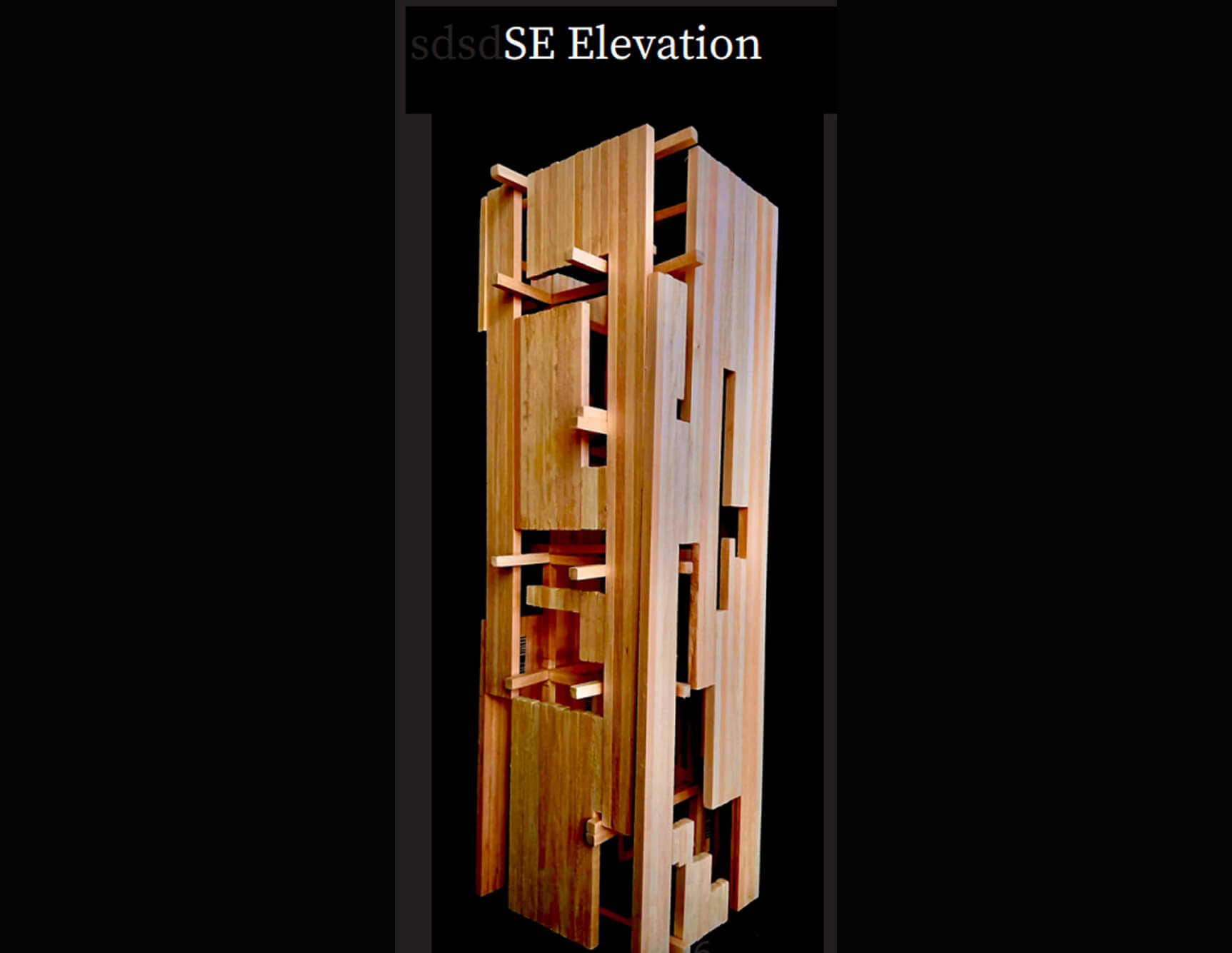
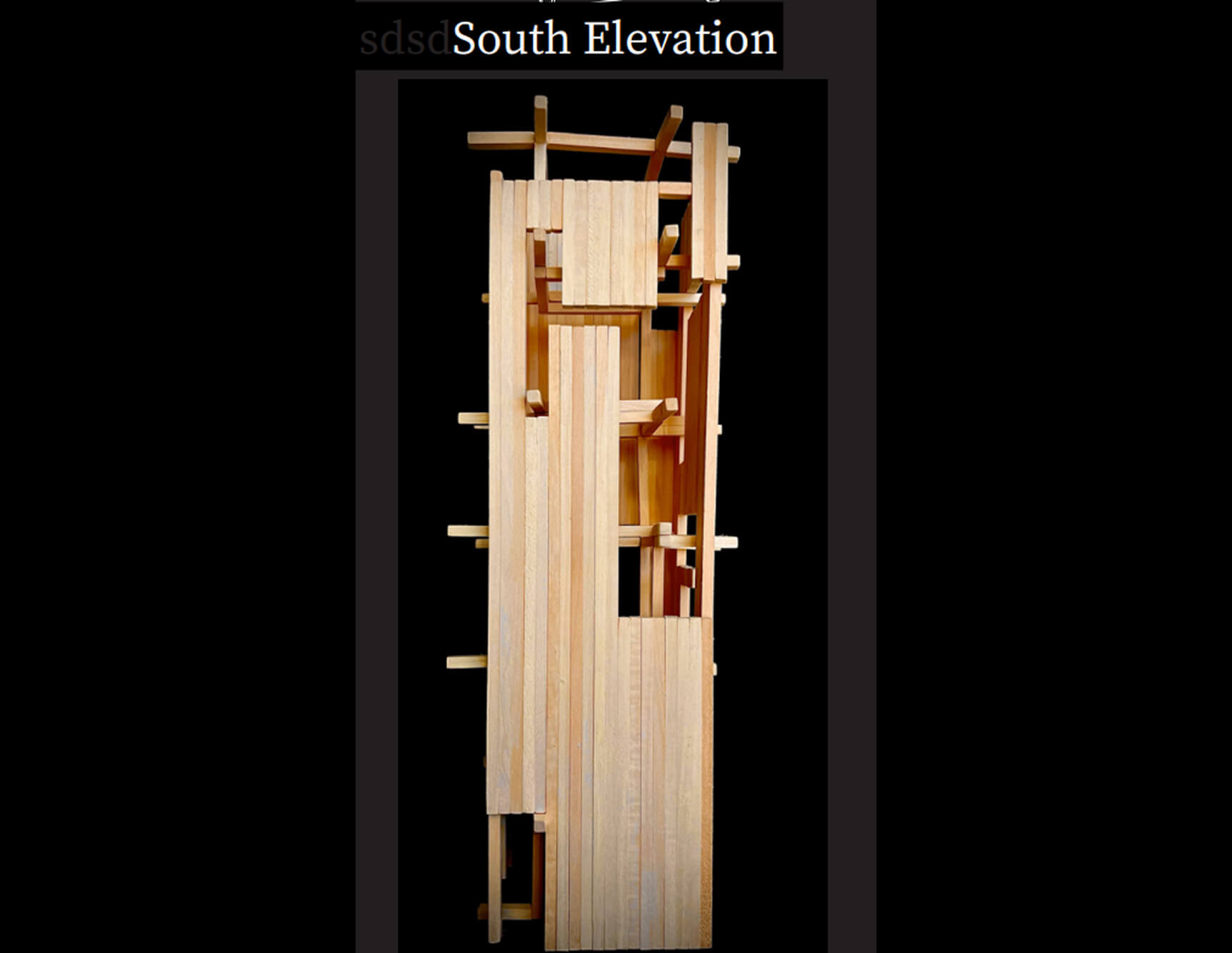
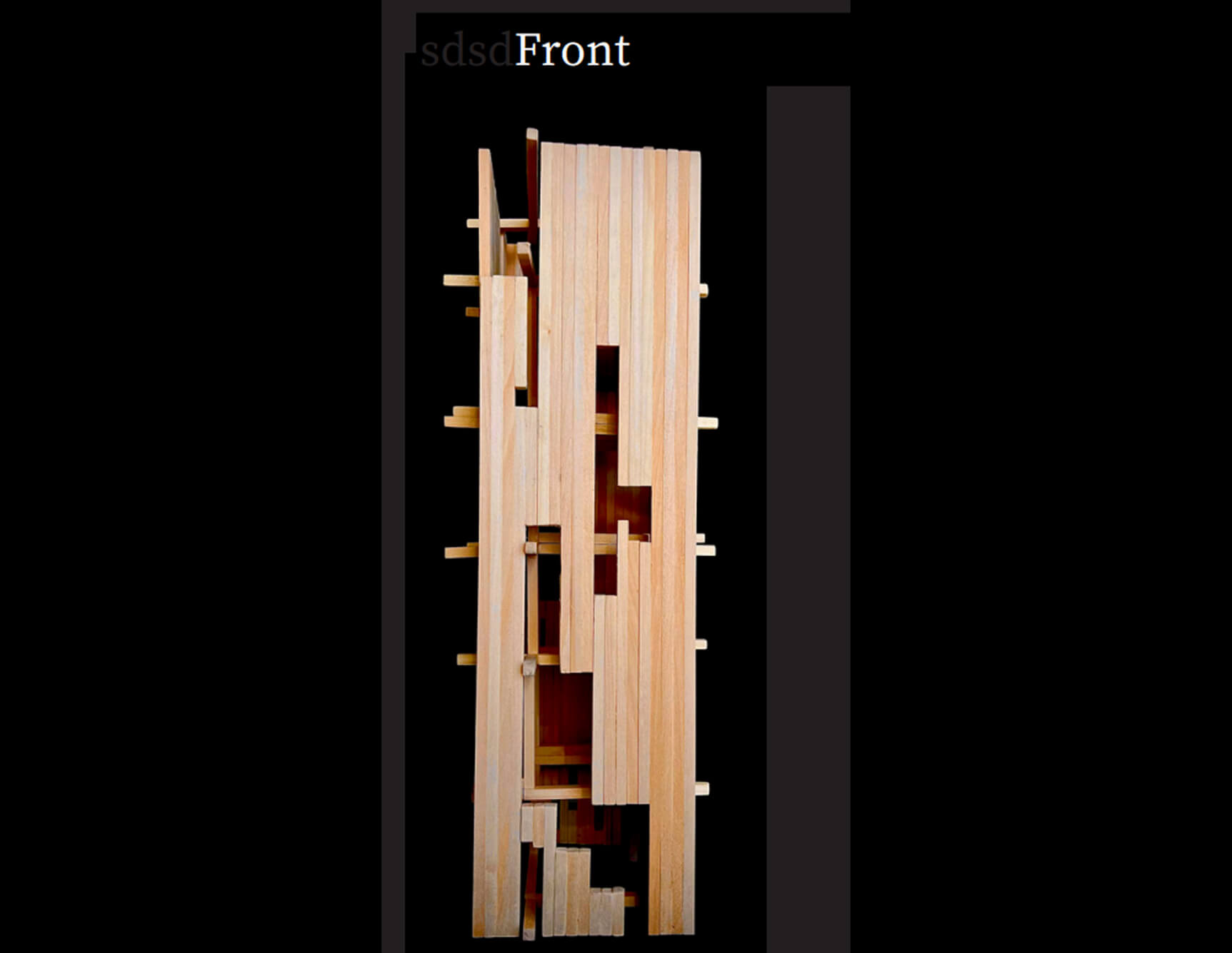
Despite its abstract origin, the Periodic Table Tower maintains clear architectural presence. The stacking of spatial units suggests inhabitable floors, circulation paths, and structural frameworks. Variations in density and scale imply differences in program and spatial experience. The project encourages analytical reading rather than immediate visual consumption. Viewers are invited to interpret the tower as both a building and a data diagram, engaging with its logic through spatial understanding. This dual reading reinforces the project’s emphasis on architecture as a medium for organizing and communicating knowledge.
Graphic Language & Visual Hierarchy
A restrained graphic language supports the project’s analytical focus. Line weights, spacing, and alignment are carefully controlled to maintain clarity and consistency. Axonometric representation ensures equal emphasis across dimensions, reinforcing the data-driven logic. The absence of decorative elements allows structure and system to remain at the forefront. Visual hierarchy emerges through repetition, density, and proportion rather than stylistic variation. This disciplined approach ensures that complexity arises from logic rather than ornamentation.
Representation & Tools Used
The project utilizes a combination of hand drawing and digital tools. Axonometric drawings are produced with precision to ensure accuracy and legibility. Rhino supports geometric testing and system validation, while Illustrator refines line quality and composition. Representation is treated as a design tool rather than a final presentation step. Each drawing functions as both analysis and architectural proposal, reinforcing the project’s research-oriented nature.
Architectural Resolution
The Periodic Table Tower resolves as a coherent vertical system that embodies scientific logic through architectural form. Rather than proposing a conventional building program, the project presents architecture as a structured translation of data. The final proposal demonstrates how rational systems can generate meaningful architectural outcomes. The tower stands as a speculative yet rigorous exploration of information-based design.

Critical Reflection
This project highlights the potential of data-driven methodologies within architectural practice. By engaging deeply with scientific classification, the work demonstrates how architecture can emerge from analytical frameworks without sacrificing spatial complexity. The project challenges traditional distinctions between science and design, positioning architecture as a bridge between abstract knowledge and spatial experience. Ultimately, the Periodic Table Tower reinforces the idea that architectural intelligence can be embedded within systems, data, and disciplined representation.