
Project Overview
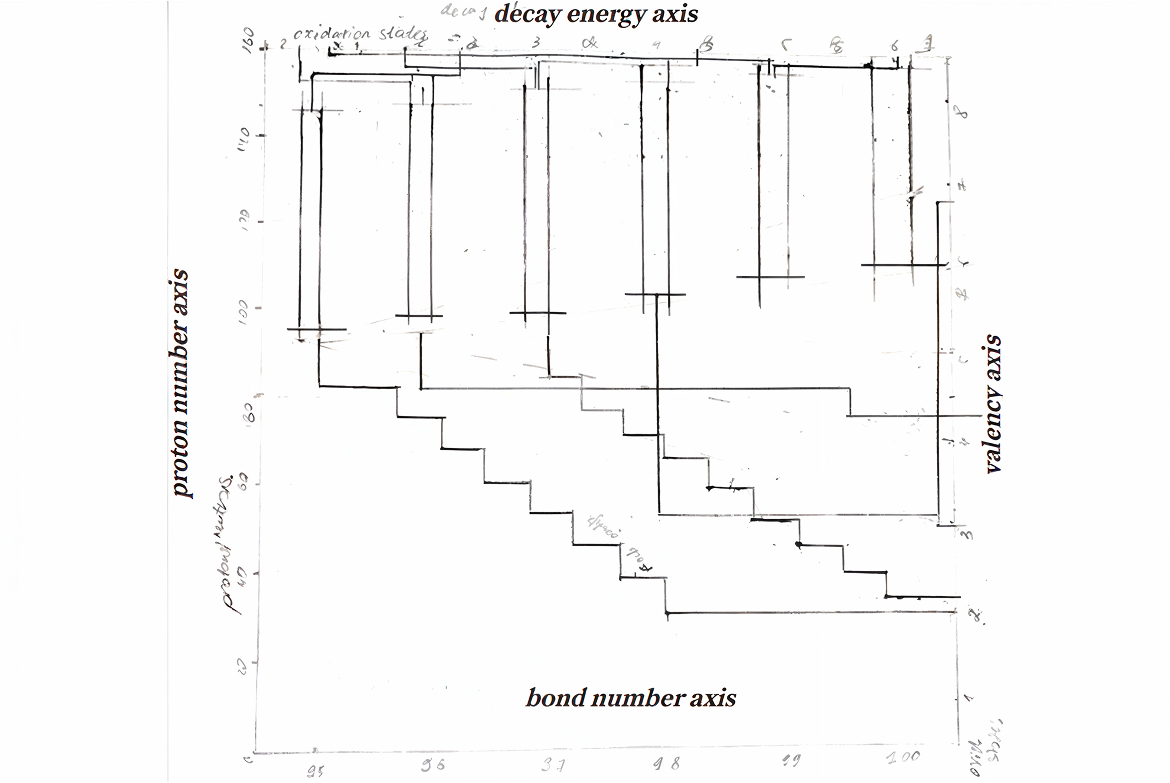
The Axonometric Cubes project explores architecture as a visual translation of data into spatial form. The project investigates how abstract scientific information can be converted into architectural geometry through systematic representation. Using axonometric drawing as the primary medium, the work transforms numerical and analytical data into a three-dimensional spatial language composed of cubes, grids, and layered structures. Rather than treating data as an external input applied to a finished design, the project embeds data directly into the generative process. The cubes function as spatial units whose size, position, and relationships are controlled by data parameters. Through repetition and variation, these units form complex spatial compositions that remain legible and ordered. The project positions axonometric drawing as both a representational and generative tool, capable of bridging the gap between abstract information and architectural form.
Concept & Intent
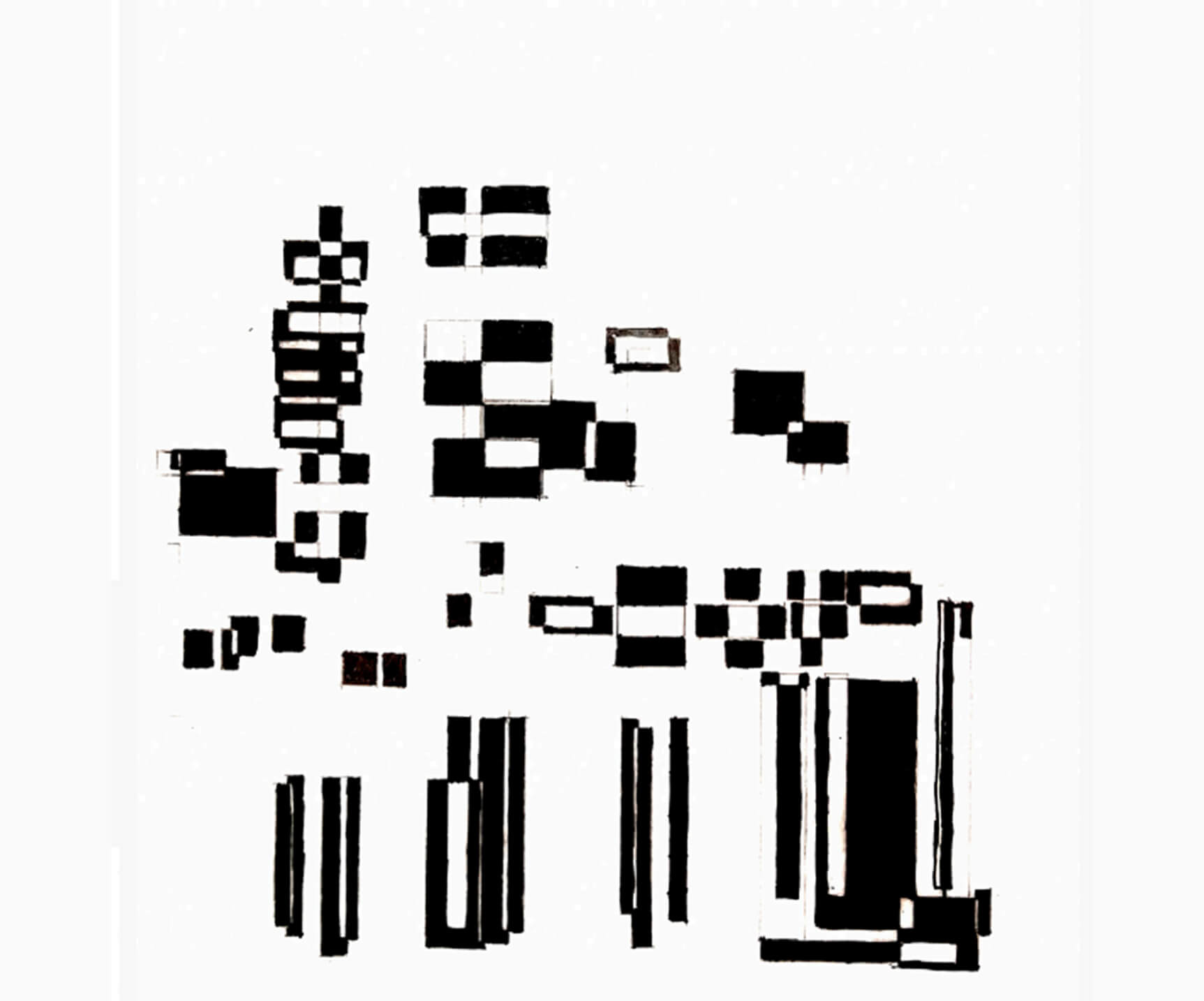
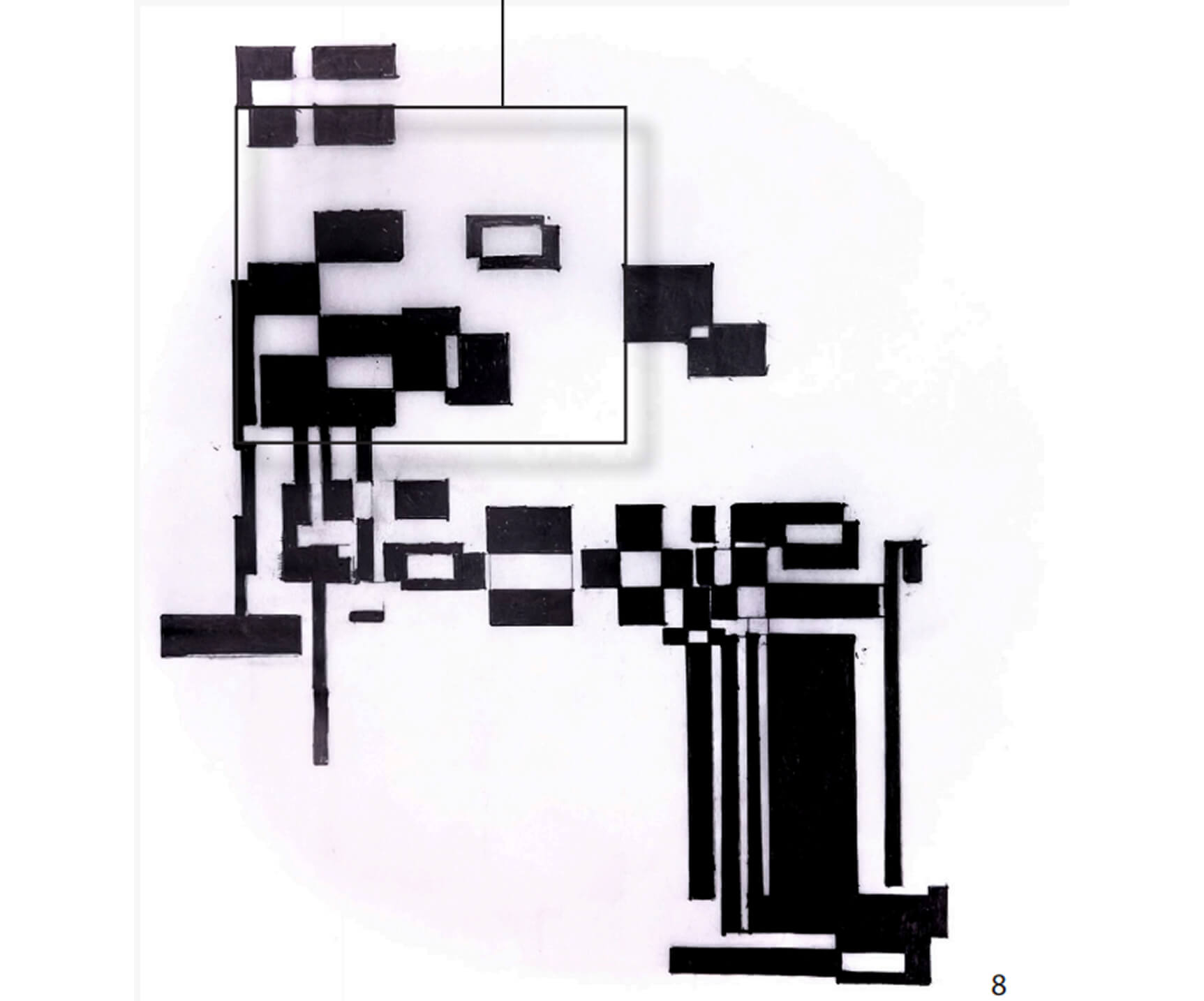
The central intent of the project is to explore how scientific data can operate as an architectural driver rather than a descriptive reference. By converting data into geometric rules, the project challenges traditional form-making approaches that rely primarily on intuition or aesthetics. Axonometric cubes are used as neutral, non-hierarchical elements that allow equal spatial reading from all directions. This neutrality enables the focus to remain on relationships, density, and structure rather than perspective or composition. The project emphasizes logic, clarity, and systematic control. Through this approach, the project examines how architecture can emerge from analytical processes while still producing spatial richness and visual complexity.
Theoretical & Representational References
The project draws from architectural traditions that prioritize axonometric representation as a tool for clarity and analysis. Modernist drawing practices, constructivist spatial studies, and data-driven architectural research inform the project’s methodology. The work is also influenced by scientific visualization techniques where data is translated into spatial diagrams for interpretation. These references reinforce the idea that architecture and science share common representational logics rooted in structure, order, and legibility. By combining architectural and scientific modes of representation, the project situates itself within a broader discourse on information-based design.
Data Logic & System Rules
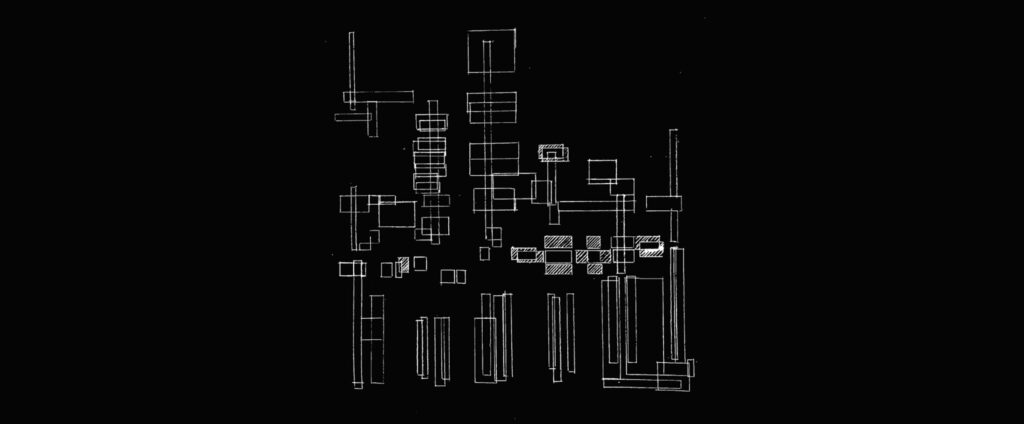
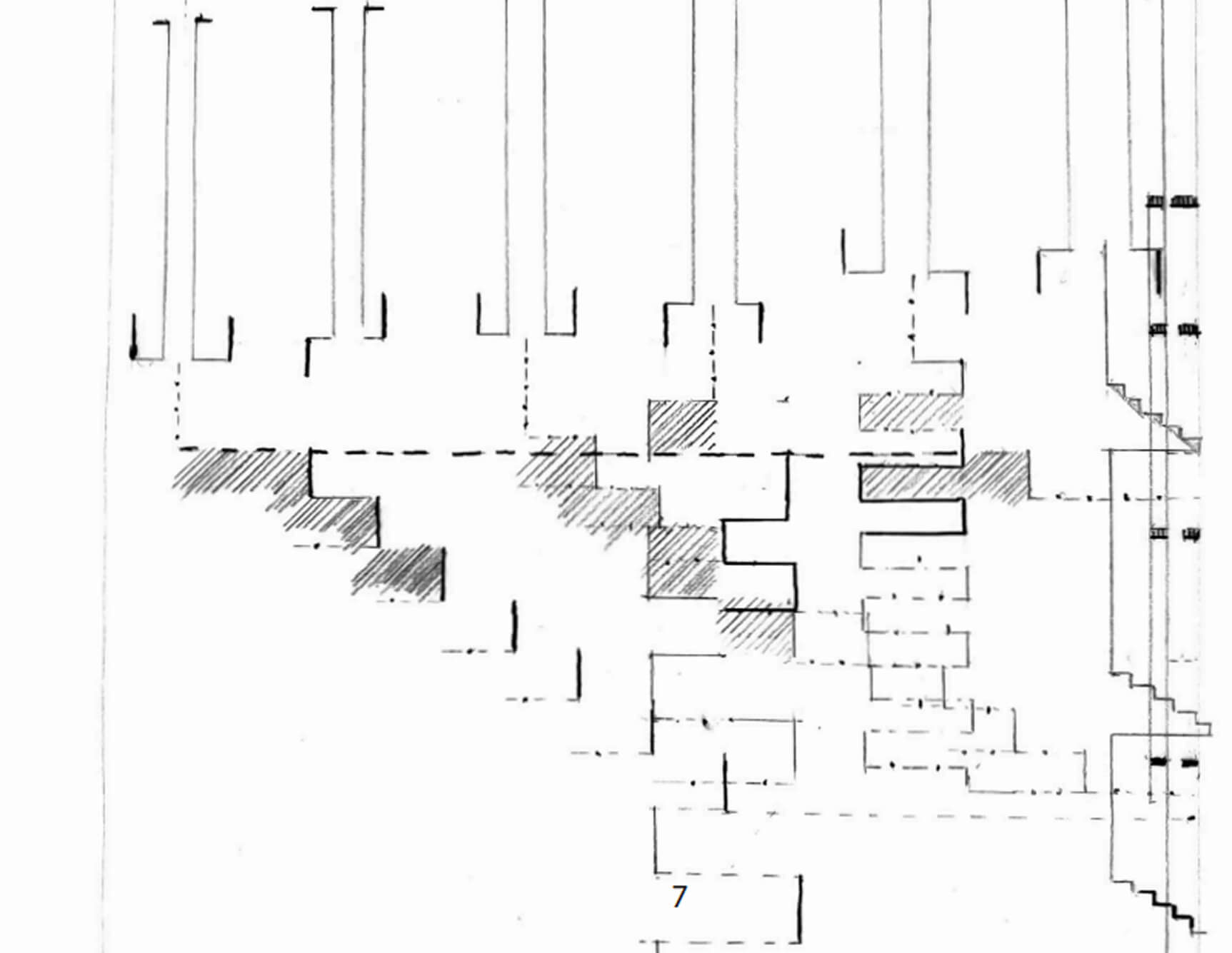
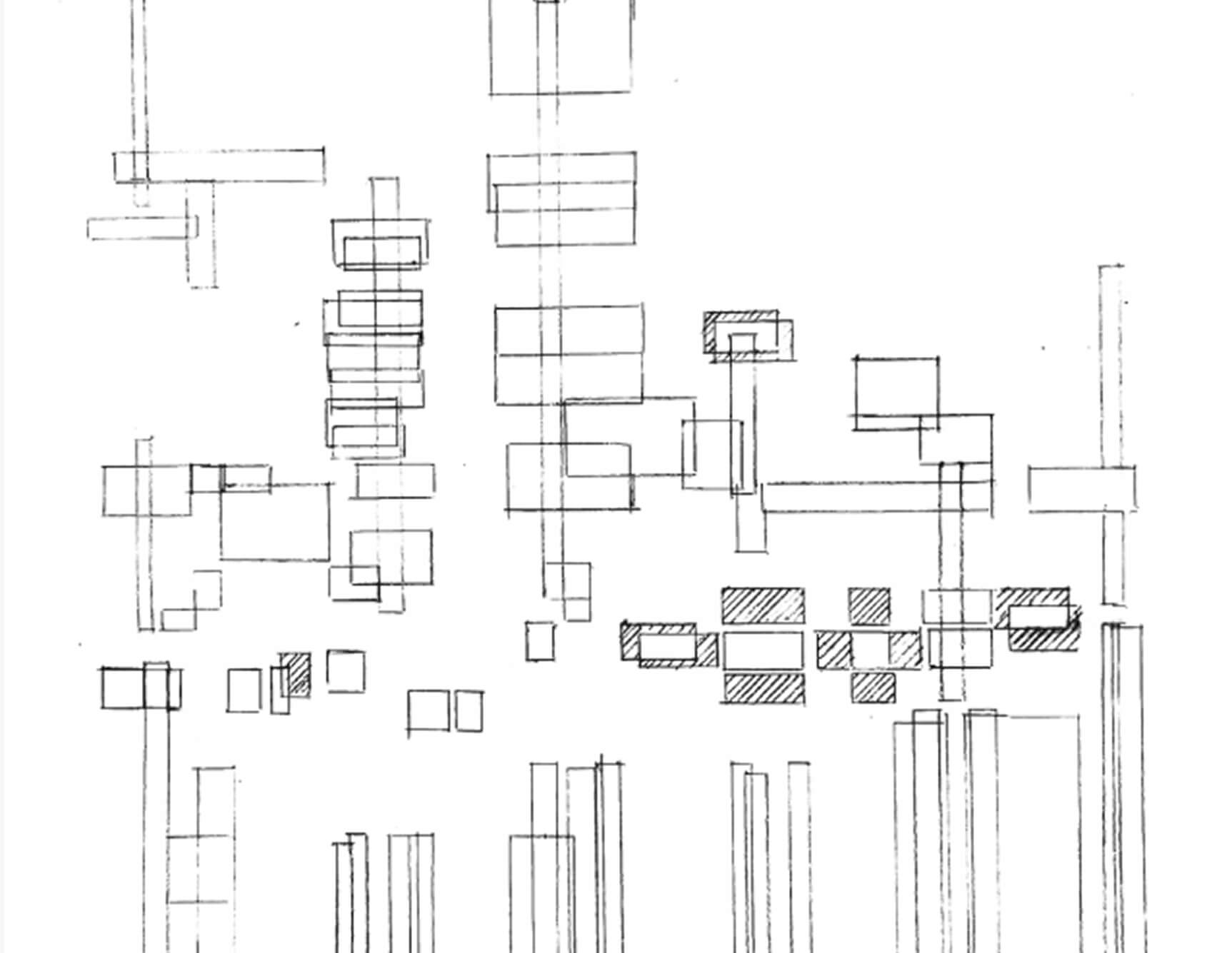
At the core of the project lies a rule-based system that governs how data is translated into spatial form. Scientific values are mapped onto geometric parameters such as cube size, spacing, height, and repetition. Each cube acts as a data carrier, encoding information through its physical attributes. The system maintains consistency across all studies, ensuring that variation arises from data input rather than arbitrary manipulation. Changes in data values result in visible shifts in spatial organization, allowing the drawings to function as both architectural compositions and data visualizations. This disciplined approach reinforces the project’s emphasis on transparency and legibility.
Process & Iterative Development
The project developed through a sequence of iterative studies that gradually refined the relationship between data and geometry. Early experiments tested basic cube configurations and simple data mappings. As the project progressed, the system was expanded to incorporate greater complexity and layering. Hand drawings played a crucial role in the development process, allowing for direct engagement with spatial relationships and proportions. These drawings were refined through repetition, reinforcing the connection between analytical thinking and manual representation. Each iteration clarified the system logic while revealing new spatial possibilities, resulting in a coherent body of work grounded in process.
Spatial Interpretation & Architectural Reading
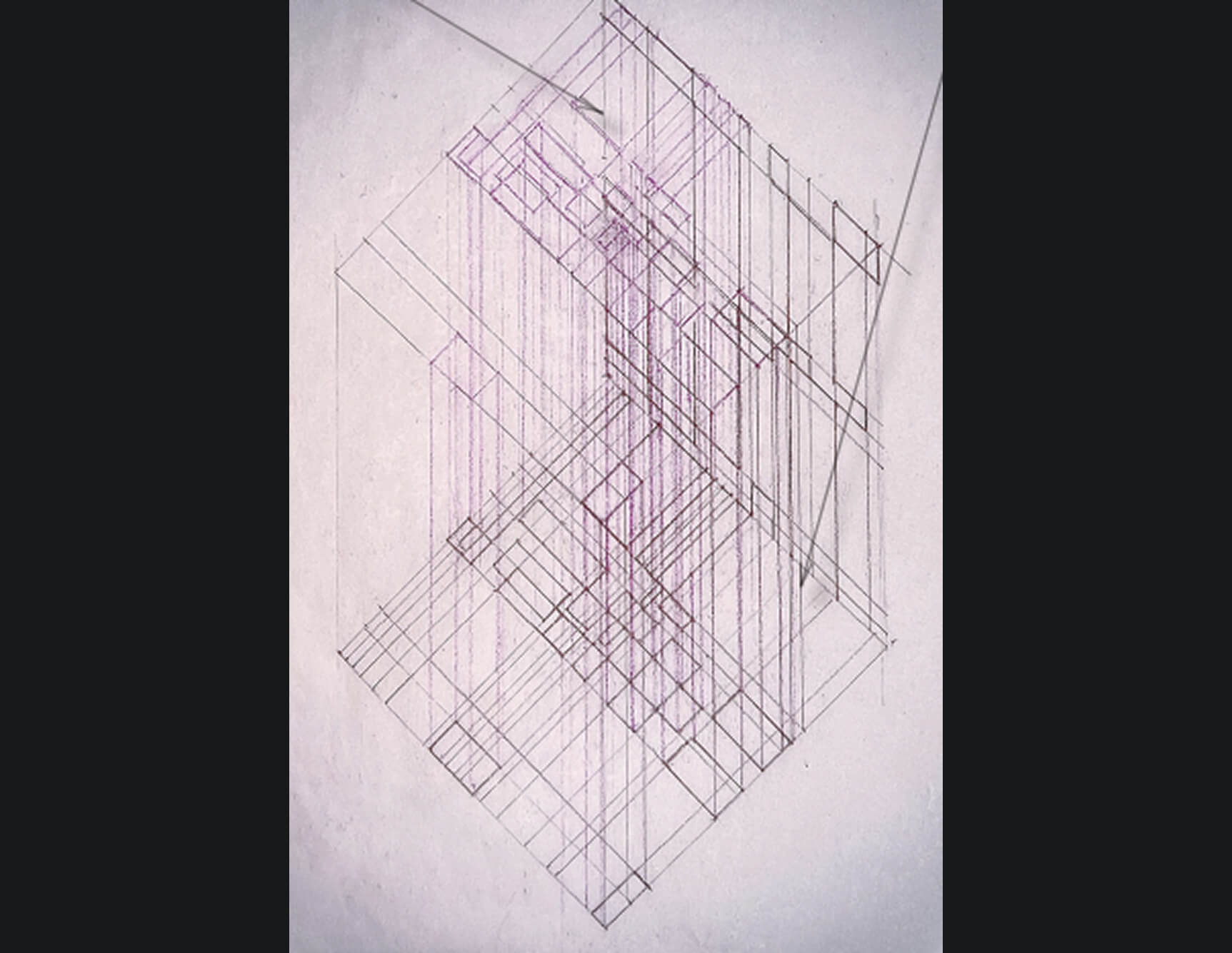
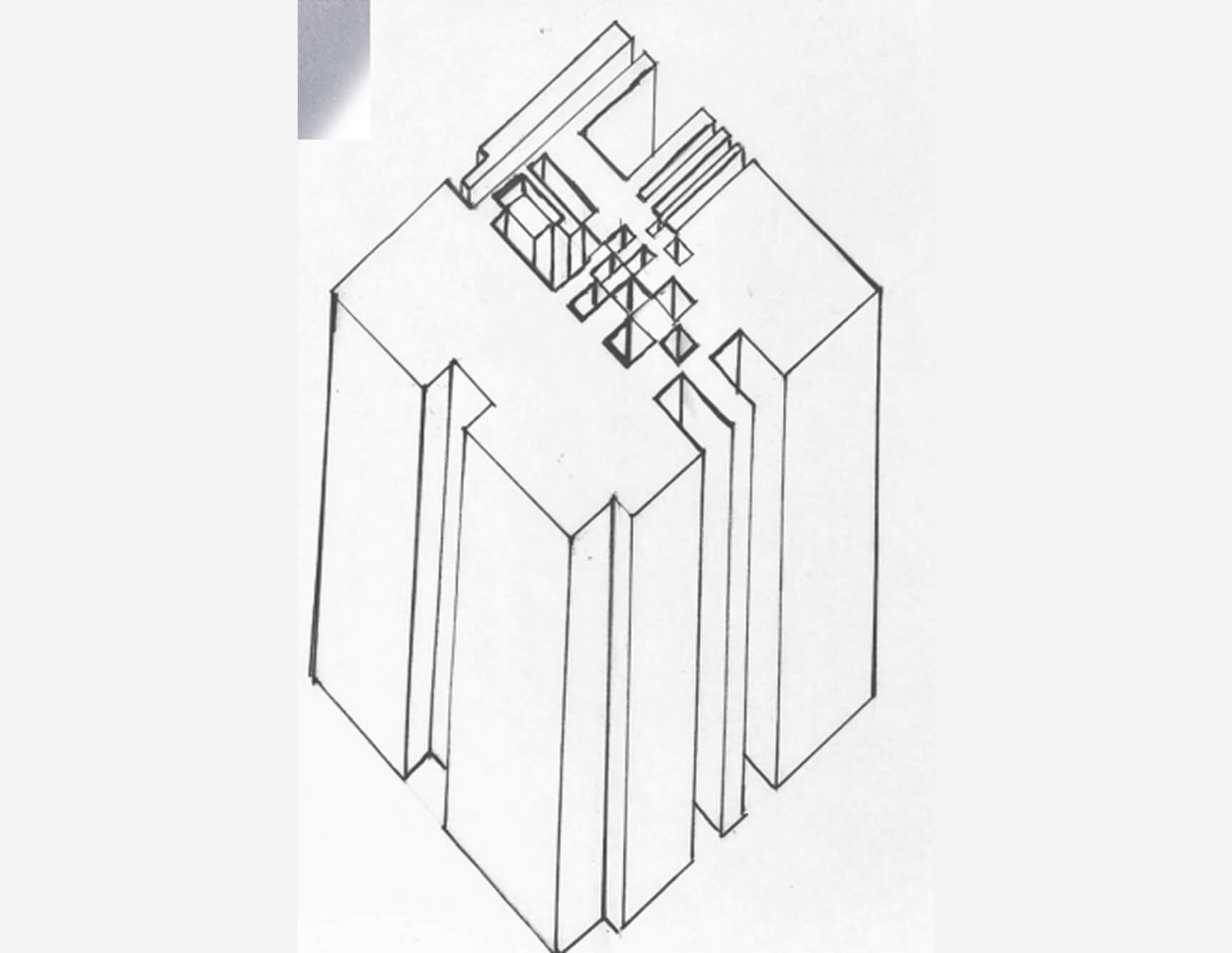
Although abstract, the axonometric cube compositions suggest architectural readings such as structural frameworks, urban grids, and spatial fields. The repetition of cubic units implies modular construction, while variations in height and density suggest spatial hierarchy. The absence of perspective encourages viewers to interpret the drawings analytically, reconstructing spatial relationships mentally. This active engagement reinforces the project’s emphasis on architecture as a system rather than an image. The project operates across scales, allowing the cube systems to be read as objects, buildings, or urban fragments depending on interpretation.
Graphic Language & Visual Clarity
A restrained graphic language underpins the project. Line weights, spacing, and alignment are carefully controlled to ensure clarity and consistency. The absence of shading and color emphasizes structure and geometry, reinforcing the analytical nature of the work. Axonometric projection ensures equal representation of all spatial dimensions, allowing the system logic to remain legible throughout the drawings. This graphic discipline supports the project’s conceptual focus on data-driven form generation.
Representation & Tools Used
The project primarily employs hand-drawn axonometric techniques, emphasizing precision and discipline in representation. These drawings are complemented by digital tools used to test proportions and system consistency. Illustrator was used to refine line quality and compositional balance, while Rhino supported geometric analysis and validation. The combination of hand and digital methods reinforces the project’s balance between analytical rigor and craft. Representation is treated as an architectural act rather than a final presentation step.
Architectural Resolution
The project resolves as a collection of axonometric drawings that function as both architectural studies and data visualizations. Rather than producing a singular architectural proposal, the work emphasizes system clarity and spatial logic. The resolution demonstrates how data can generate form without compromising architectural coherence. The project positions itself as a research-based exploration into the relationship between information, geometry, and space.
Critical Reflection
Axonometric Cubes highlights the potential of data-driven systems within architectural design. By embedding data into geometric rules, the project demonstrates how analytical processes can produce meaningful spatial outcomes. The work challenges traditional distinctions between representation and design, positioning drawing as a generative and investigative tool. Ultimately, the project reinforces the idea that architecture can emerge from logic, structure, and disciplined representation.