
Project Overview
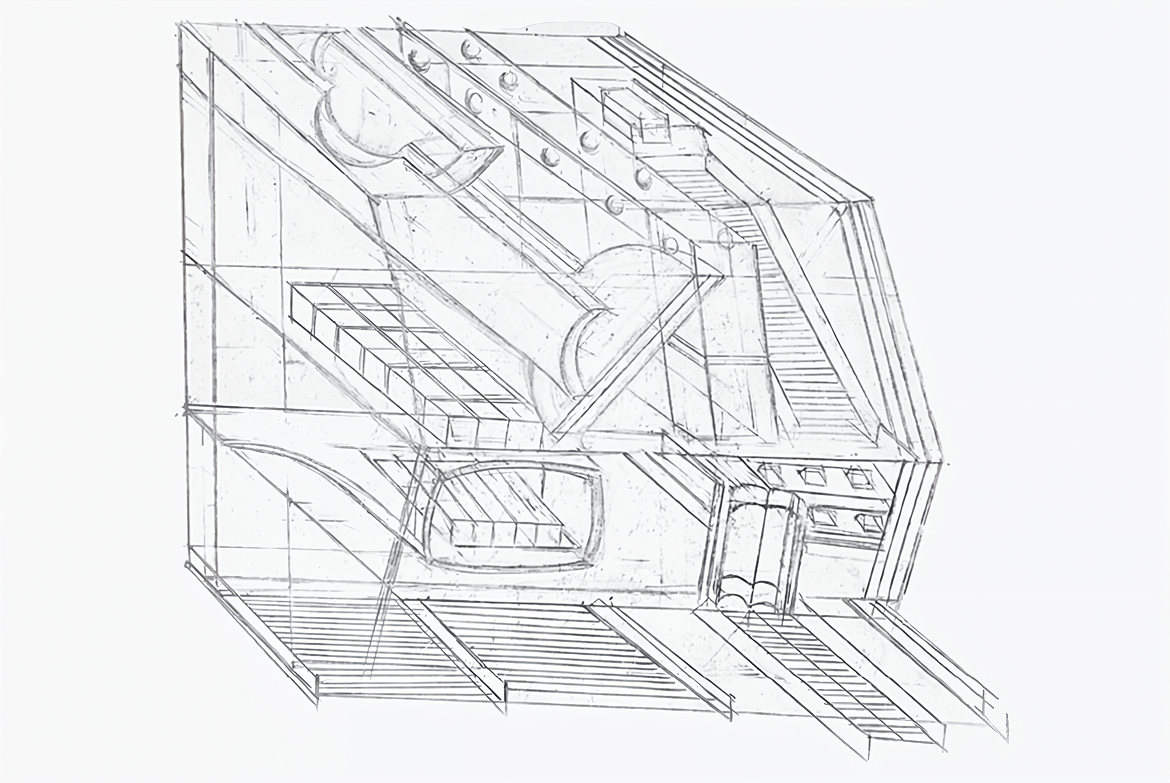
The Axonometric Object (Exploded) project investigates architectural form through the act of separation. Rather than presenting architecture as a resolved, unified object, the project disassembles a spatial construct into its constituent elements to reveal relationships between structure, space, and logic. The exploded axonometric becomes both a representational technique and a conceptual tool for understanding architecture as a system of interdependent parts. The project focuses on how architectural meaning can be communicated through decomposition. By separating layers, components, and spatial elements, the drawing exposes internal hierarchies that are often concealed within conventional representations. The exploded object is not intended to describe construction alone, but to articulate architectural logic through visual clarity. This project positions representation as an analytical medium rather than a descriptive one. The axonometric drawing is treated as an architectural space in itself, capable of expressing organization, order, and spatial intent without reliance on perspective or narrative imagery.
Concept & Intent
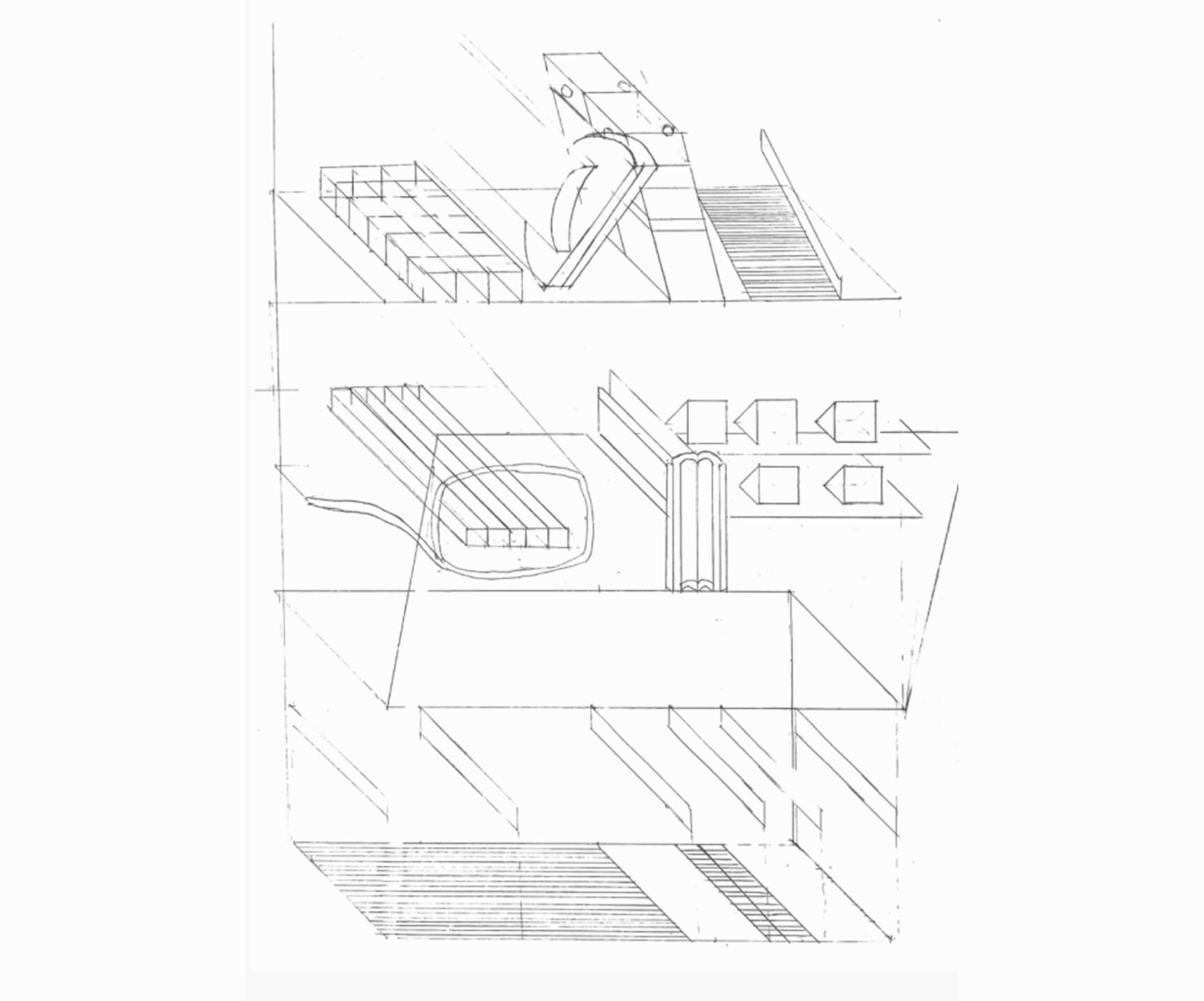
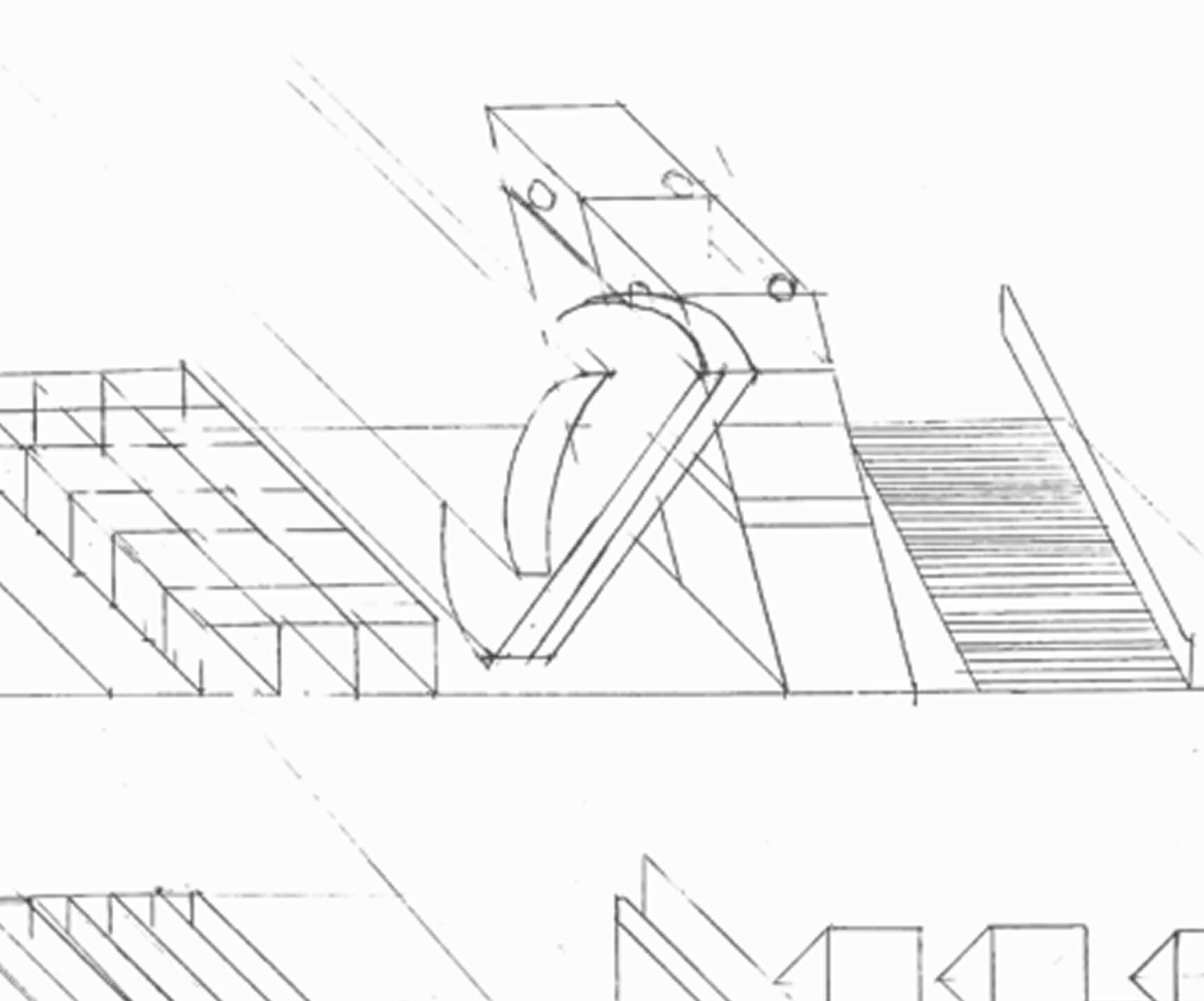
The primary intent of the project is to challenge the perception of architectural form as a fixed and singular entity. Instead, the work proposes architecture as an assembly of layered systems, each with its own spatial and structural role. The act of exploding the object allows these layers to be read independently while maintaining their relational coherence. By separating components vertically and horizontally, the project reveals how architectural elements interact across space. Floor plates, structural frames, surfaces, and voids are displaced just enough to remain legible while exposing their dependencies. This approach encourages analytical reading rather than immediate visual consumption. The project also explores how axonometric representation removes hierarchy imposed by perspective, allowing each element to be understood equally. This reinforces the idea that architecture can be read as a system rather than an image.
Theoretical & Representational References
The project draws from architectural drawing traditions where axonometric representation is used as an analytical device. References include modernist architectural drawings, constructivist spatial diagrams, and contemporary practices that employ exploded views to communicate system logic. The work is also informed by theoretical discussions around transparency, legibility, and decomposition in architecture. By exposing internal systems, the drawing resists surface-driven interpretation and emphasizes organizational clarity. These references inform the project’s emphasis on precision, restraint, and spatial logic, situating it within a lineage of architectural representation that values structure over spectacle.
System Logic & Exploded Methodology
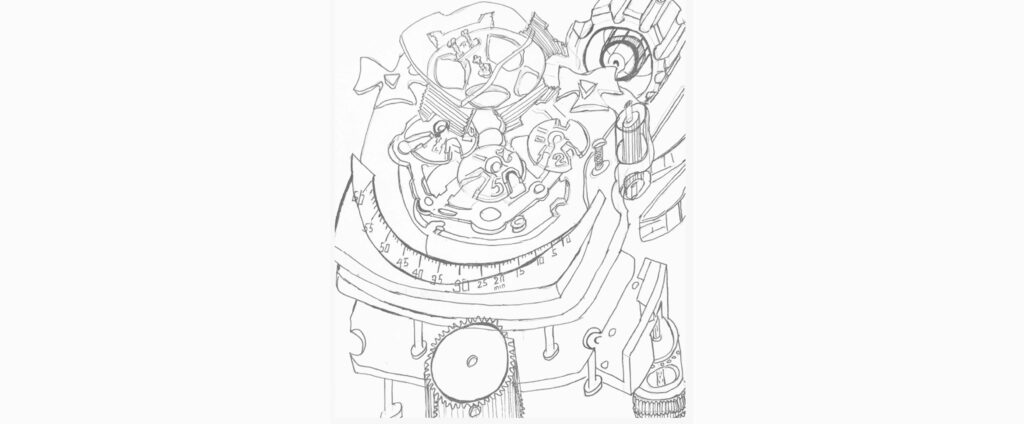
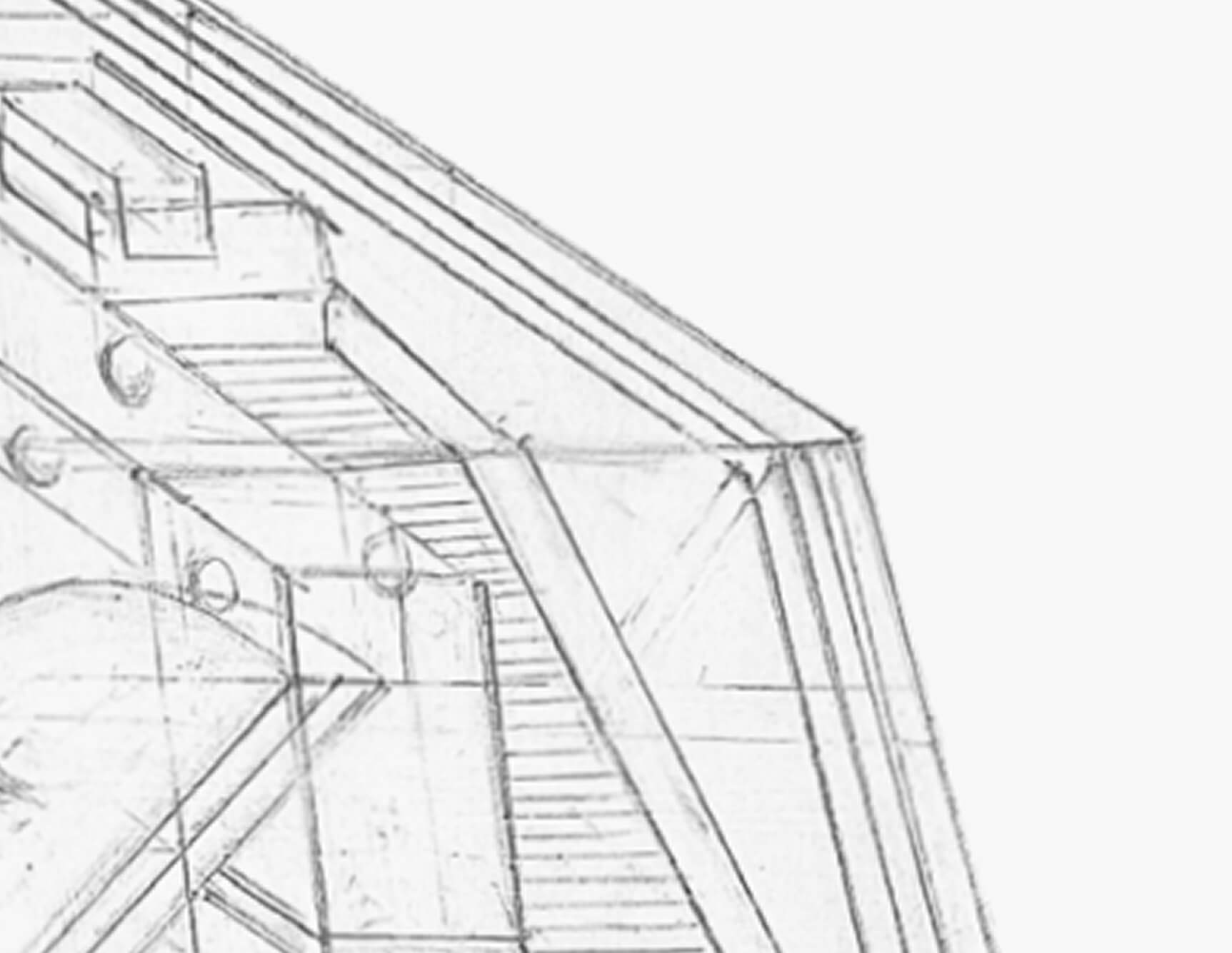
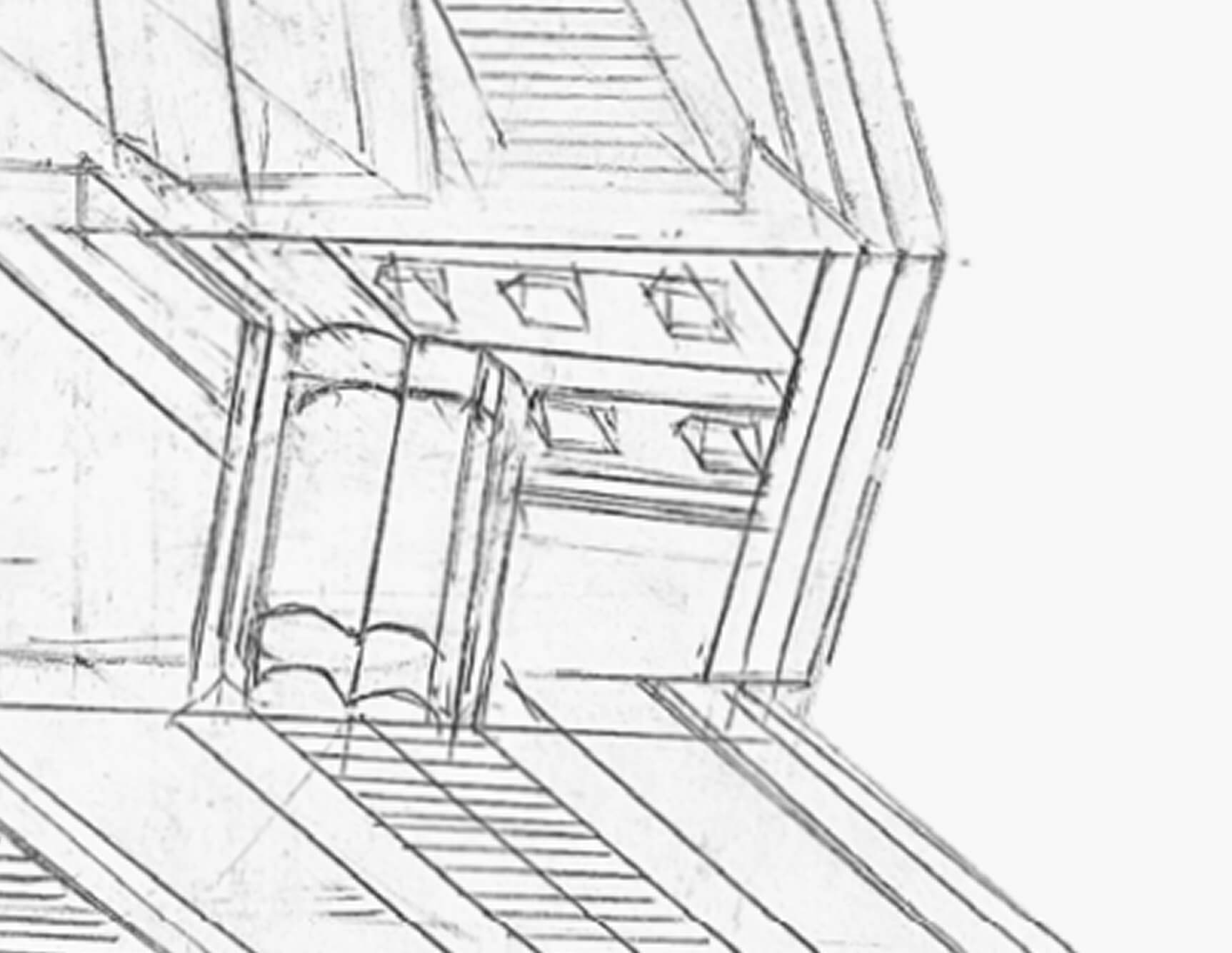
The exploded axonometric follows a strict system logic. The object is initially conceived as a unified spatial volume, which is then methodically decomposed along defined axes. Each component is displaced according to a consistent rule set that controls distance, alignment, and orientation. This controlled separation ensures that relationships between elements remain readable despite physical displacement. The exploded condition does not aim to fragment the object beyond recognition, but to clarify how parts relate to the whole. The methodology emphasizes balance between separation and cohesion. Too much displacement would dissolve the object, while too little would obscure internal structure. The project carefully calibrates this threshold to maximize legibility.
Process & Iterative Development
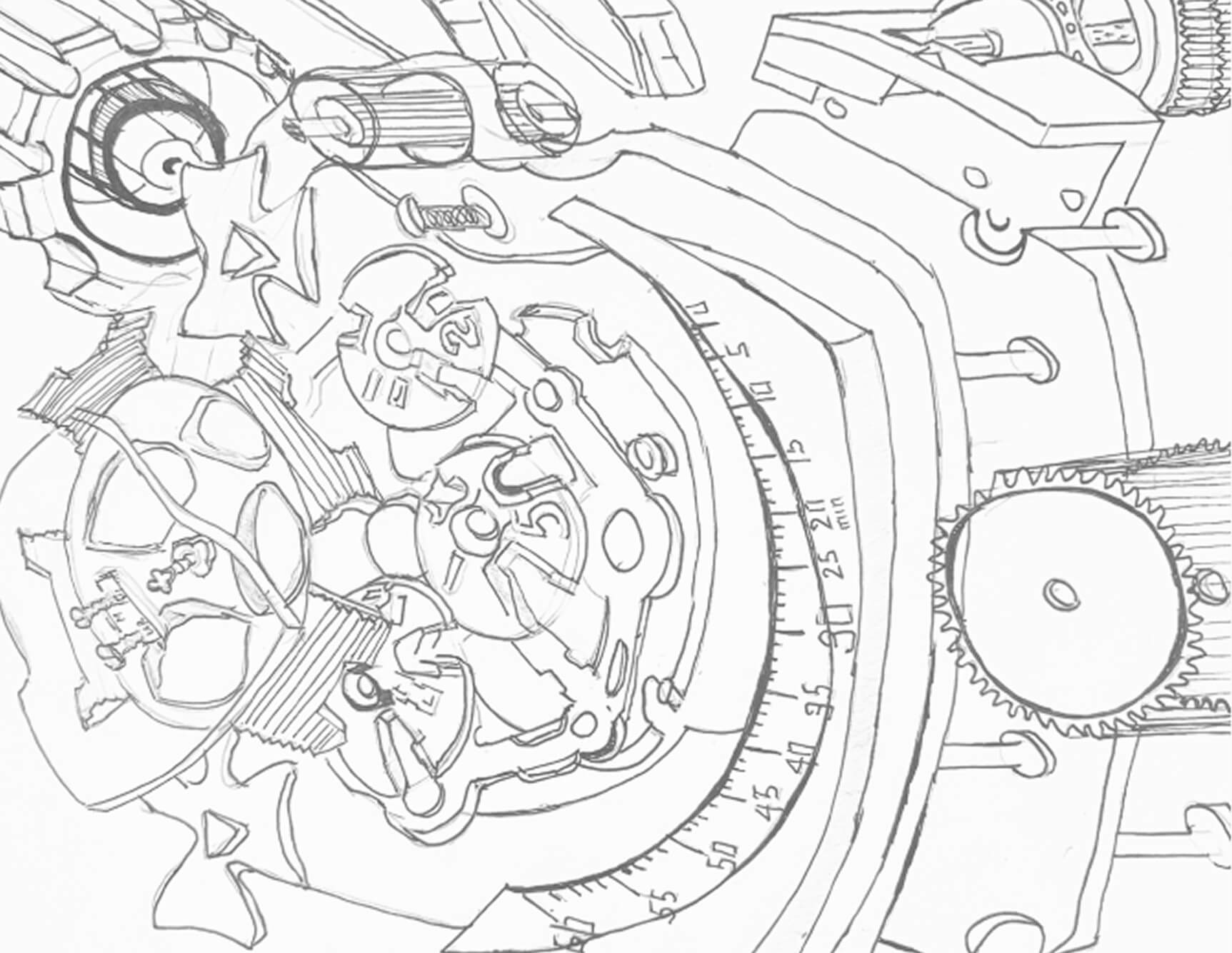
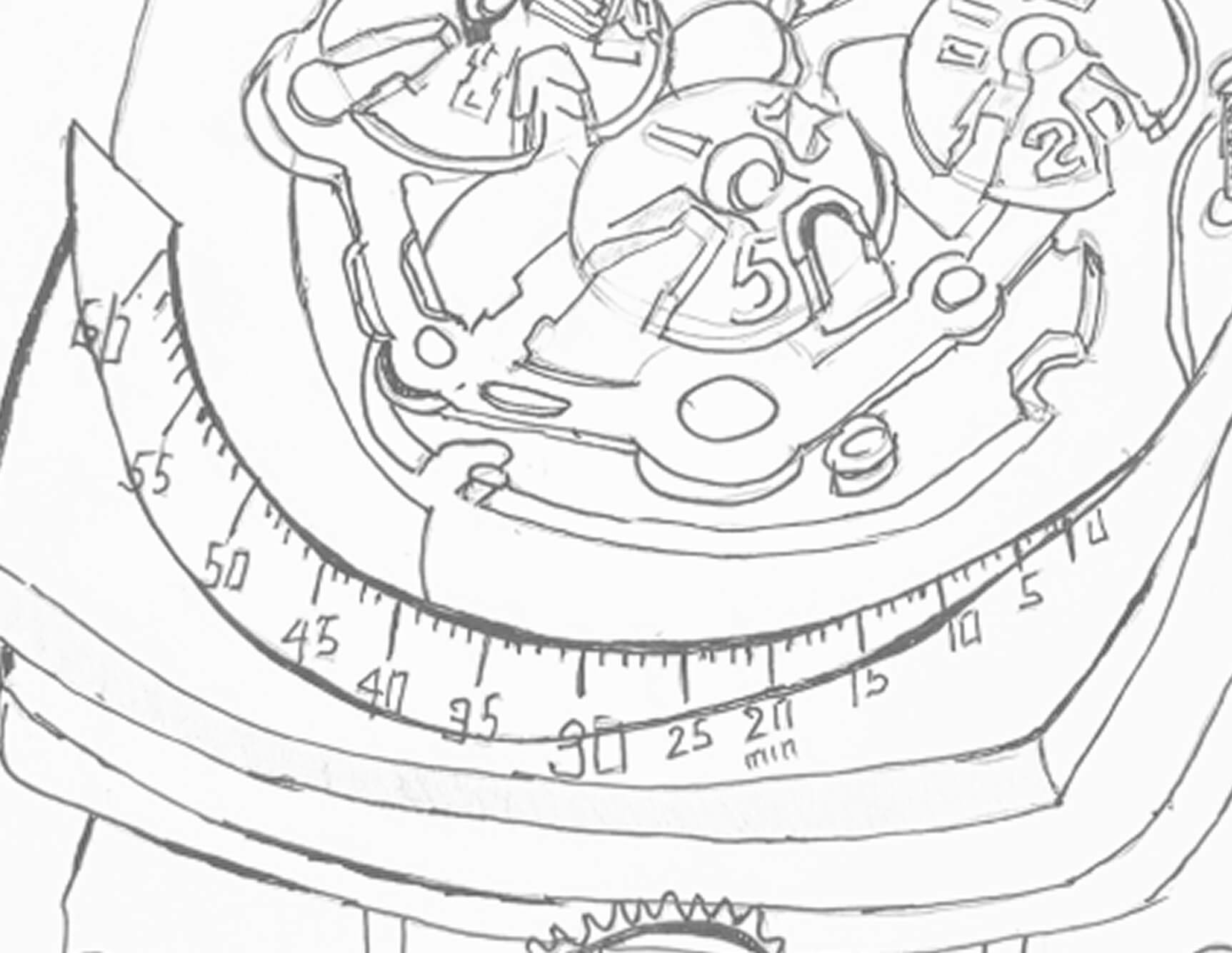
The project developed through a series of representational tests exploring degrees of explosion and alignment. Early studies examined minimal separation, focusing on subtle spatial shifts. Later iterations increased distance between components, introducing greater clarity and complexity. Each iteration refined the balance between readability and abstraction. Feedback from each drawing informed adjustments in spacing, hierarchy, and graphic emphasis. This iterative approach ensured that the final drawing remained both analytical and spatially coherent. The process highlights representation as a form of architectural inquiry, where drawing functions as both method and outcome.
Spatial Interpretation & Architectural Reading
Despite its abstract nature, the exploded object maintains strong spatial presence. The separation of elements allows viewers to mentally reconstruct the object, engaging actively with the drawing rather than passively observing it. The exploded configuration suggests spatial sequences, structural logic, and volumetric relationships. Void spaces become as important as solid elements, emphasizing the role of absence in architectural organization. This interpretive openness allows the drawing to function as a speculative architectural proposal rather than a finalized design, reinforcing its role as a research artifact.
Graphic Language & Visual Hierarchy
A controlled graphic language underpins the project. Line weights are carefully adjusted to establish hierarchy without relying on shading or colour. Thicker lines define primary structural elements, while finer lines articulate secondary components. Alignment and spacing are used to guide visual reading across the drawing. The absence of perspective distortion ensures clarity and consistency, allowing the viewer to understand relationships without visual bias. This graphic restraint reinforces the analytical nature of the project and ensures that complexity emerges from structure rather than stylistic embellishment.
Representation & Tools Used
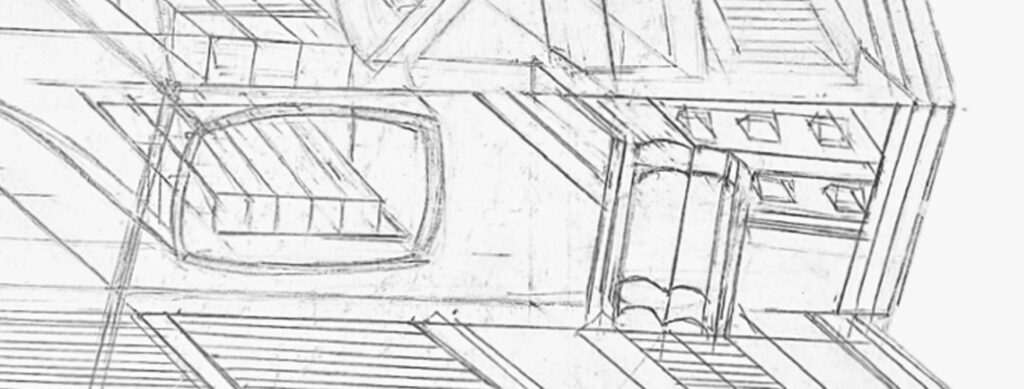
The project was developed using digital modelling tools to ensure geometric precision. Rhino was used to construct and manipulate the object, allowing controlled separation of components along defined axes. Illustrator was used to refine line hierarchy, spacing, and compositional balance. The final drawings prioritize clarity and legibility, reinforcing the role of representation as a design tool rather than a presentation layer. Physical sketches supported early conceptual exploration, helping to test spatial relationships before translating them into precise digital drawings.
Architectural Resolution
The project resolves as a single exploded axonometric drawing that functions simultaneously as representation, analysis, and architectural speculation. Rather than concluding with a constructed object, the project emphasizes understanding over resolution. The final drawing demonstrates how architectural complexity can be communicated through disciplined representation. It presents architecture as a system of relationships rather than a finished form.
Critical Reflection
The Axonometric Object (Exploded) project underscores the power of representation as an architectural practice. By decomposing form, the project reveals hidden structures and spatial logics that are often obscured in conventional drawings. The work challenges the notion that architecture must always resolve into buildable proposals. Instead, it positions drawing as a space of inquiry where architectural knowledge is produced through analysis and abstraction. Ultimately, the project affirms the value of axonometric representation as a timeless and rigorous tool for architectural thinking.