
Project Overview
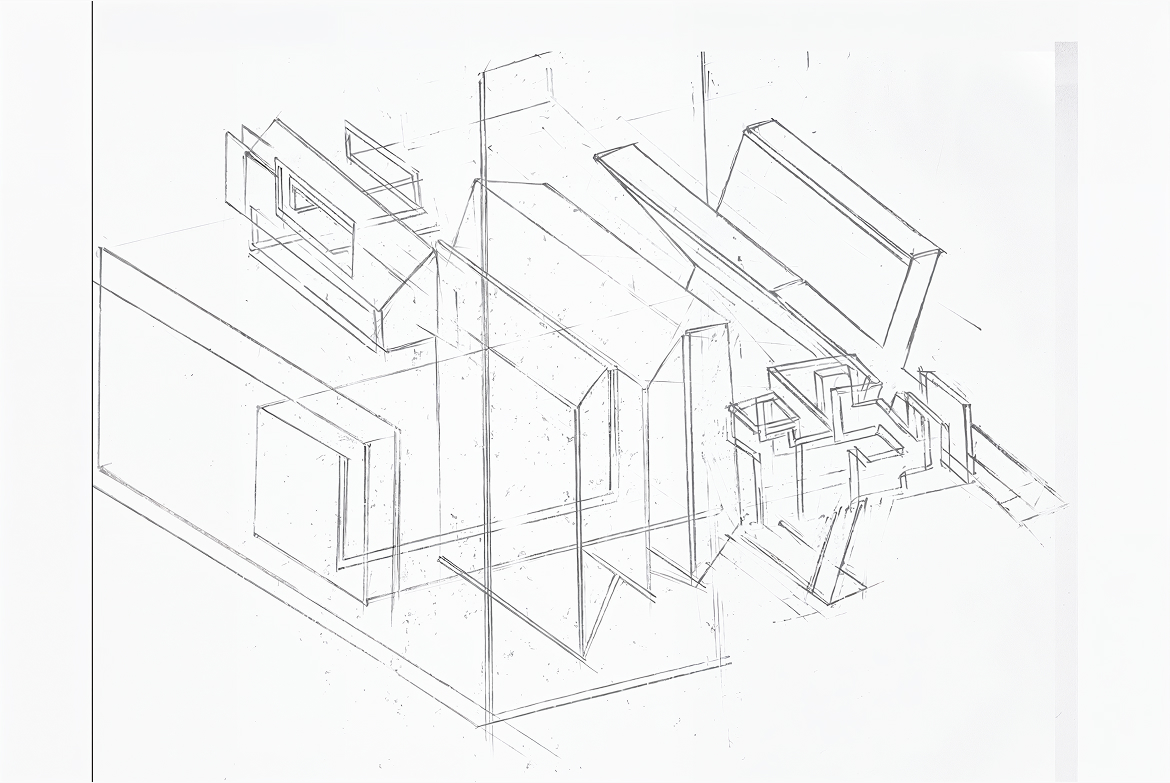
Other Works & Essay is a curated collection of architectural fragments, exploratory studies, and written reflections that together articulate the broader intellectual framework behind the portfolio. Unlike singular, project-driven works, this section operates as an open archive of investigations that sit between design, representation, and theory. The project brings together smaller architectural experiments, visual research pieces, and written essays that address themes of system thinking, spatial logic, representation, and abstraction. These works are not bound to a single architectural proposal but instead reveal the thinking processes, questions, and conceptual positions that inform the larger body of work. By presenting these materials collectively, the project emphasizes architecture as an ongoing inquiry rather than a series of finalized outcomes. The essays and visual works function as complementary modes of exploration—one verbal, the other visual—each reinforcing the other.
Concept & Intent
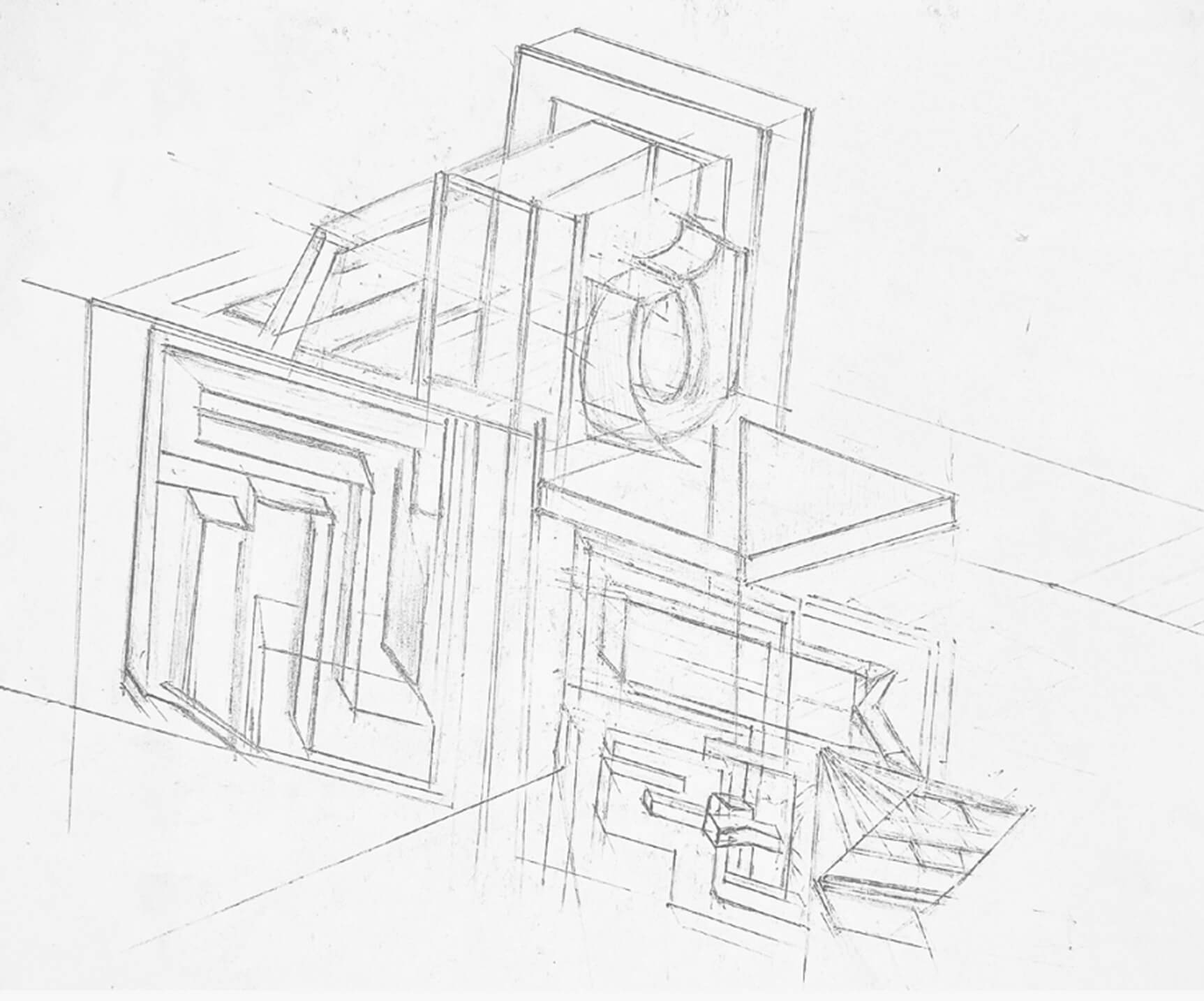
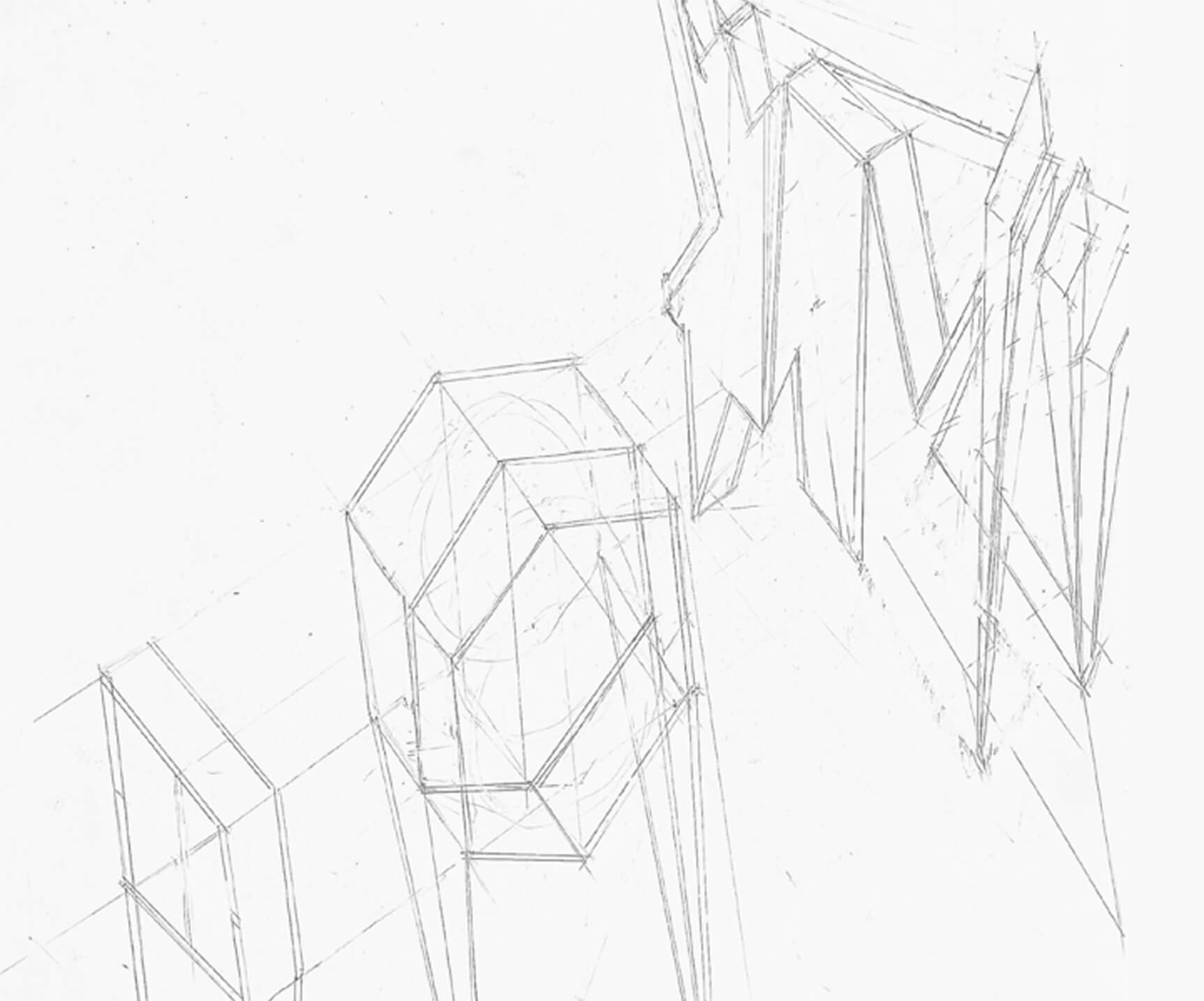
The intent of Other Works & Essay is to expose the intellectual depth behind architectural production. Rather than isolating design outcomes from theory and research, the project integrates writing and visual experimentation as equal architectural acts. The essays serve as reflective tools that articulate ideas explored visually across the portfolio. Topics such as system logic, abstraction, repetition, and representation are examined through written analysis, allowing architectural thinking to unfold through language as well as form. Simultaneously, the visual works function as speculative fragments—unfinished, exploratory, and intentionally open-ended. Together, these components form a layered understanding of architecture as a discipline grounded in thinking, questioning, and research.
Theoretical & Architectural References
The project draws from architectural theory, critical writing, and design research practices that emphasize process over product. References include modern and contemporary architectural discourse on systems, representation, and the role of drawing and writing as design tools. The essays engage with ideas of architectural autonomy, where architecture is not defined solely by construction but by intellectual production. Visual works reference traditions of architectural drawing as an investigative medium, reinforcing the idea that representation itself generates knowledge. This section situates the portfolio within a broader academic context, aligning architectural practice with critical thinking and research methodologies.
Written Essay Logic & Structure
The essays included in this project are structured as analytical reflections rather than descriptive narratives. Each text addresses a specific architectural question or theme, developing arguments through observation, comparison, and conceptual framing. Writing is treated as a spatial medium, organizing ideas with clarity and hierarchy. Paragraph structure, rhythm, and progression mirror architectural organization, reinforcing parallels between written and spatial composition. Rather than offering definitive conclusions, the essays remain open-ended, encouraging continued inquiry and interpretation. This approach positions writing as an active design process rather than a supporting supplement.
Visual Studies & Exploratory Works
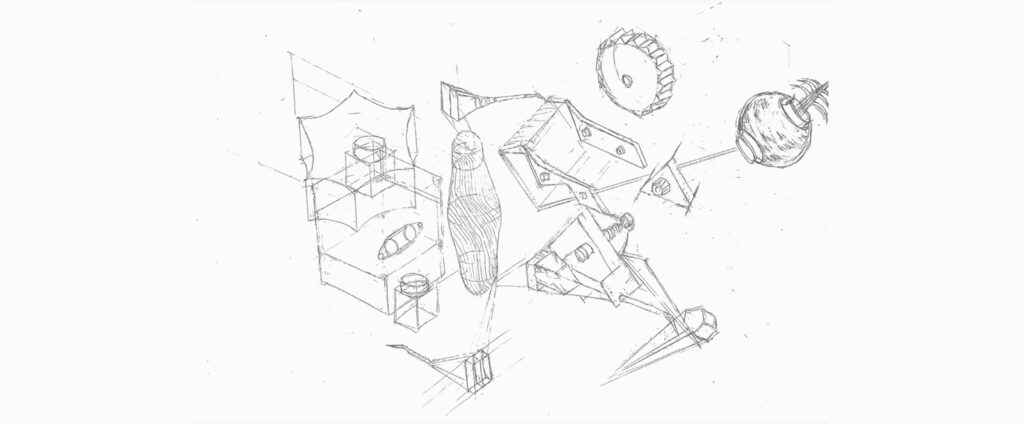
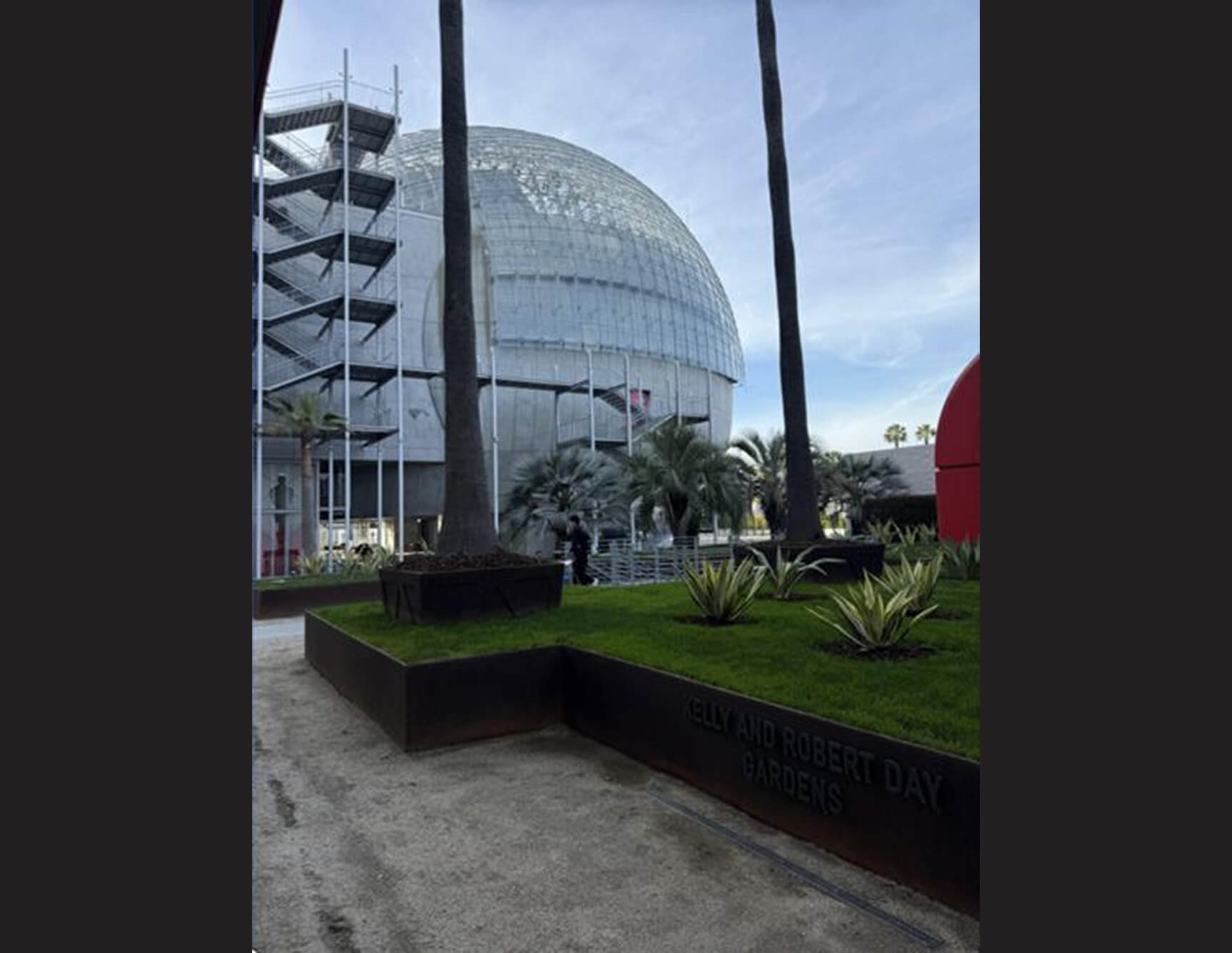
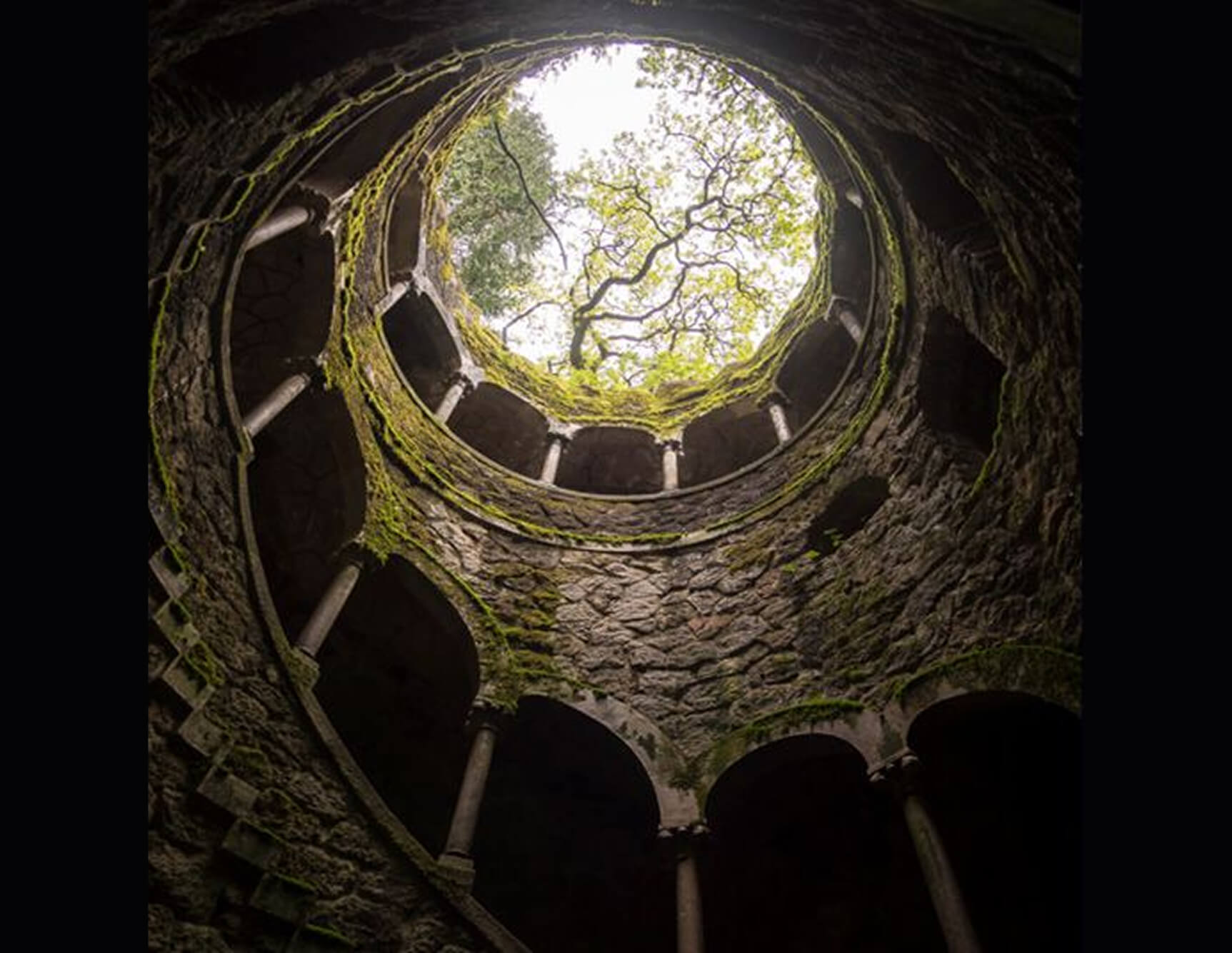
The visual works included in this section function as independent investigations that explore architectural ideas at varying scales. These studies include abstract compositions, diagrammatic explorations, and representational experiments that test spatial logic without the constraints of program or site. Many of the works emphasize systems, grids, and modular arrangements, reinforcing recurring themes found throughout the portfolio. Others focus on representational techniques, exploring how line, density, and composition influence architectural reading. These visual fragments operate as testing grounds for ideas that later appear in larger projects, revealing the iterative nature of the design process.
Process & Iterative Development
The works collected in this section developed alongside major studio projects, often emerging as side investigations or conceptual tests. This parallel development allowed ideas to be explored freely, without the pressure of architectural resolution. Each essay and visual study informed subsequent work across the portfolio, creating a feedback loop between research and design. This iterative relationship highlights the importance of speculative thinking in architectural development. By documenting these processes, the project reveals architecture as a cumulative practice shaped by continuous questioning and refinement.
Spatial & Conceptual Readings
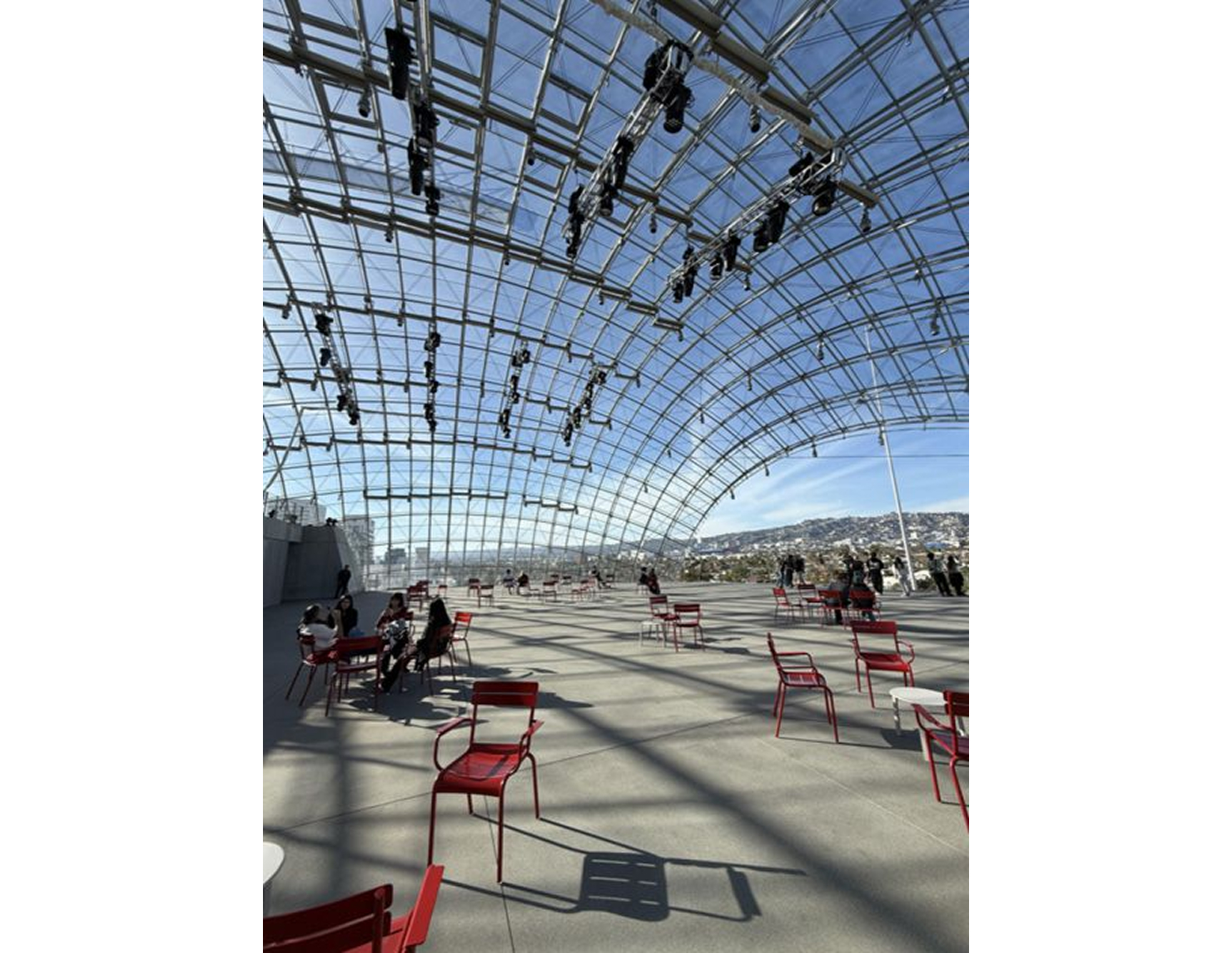
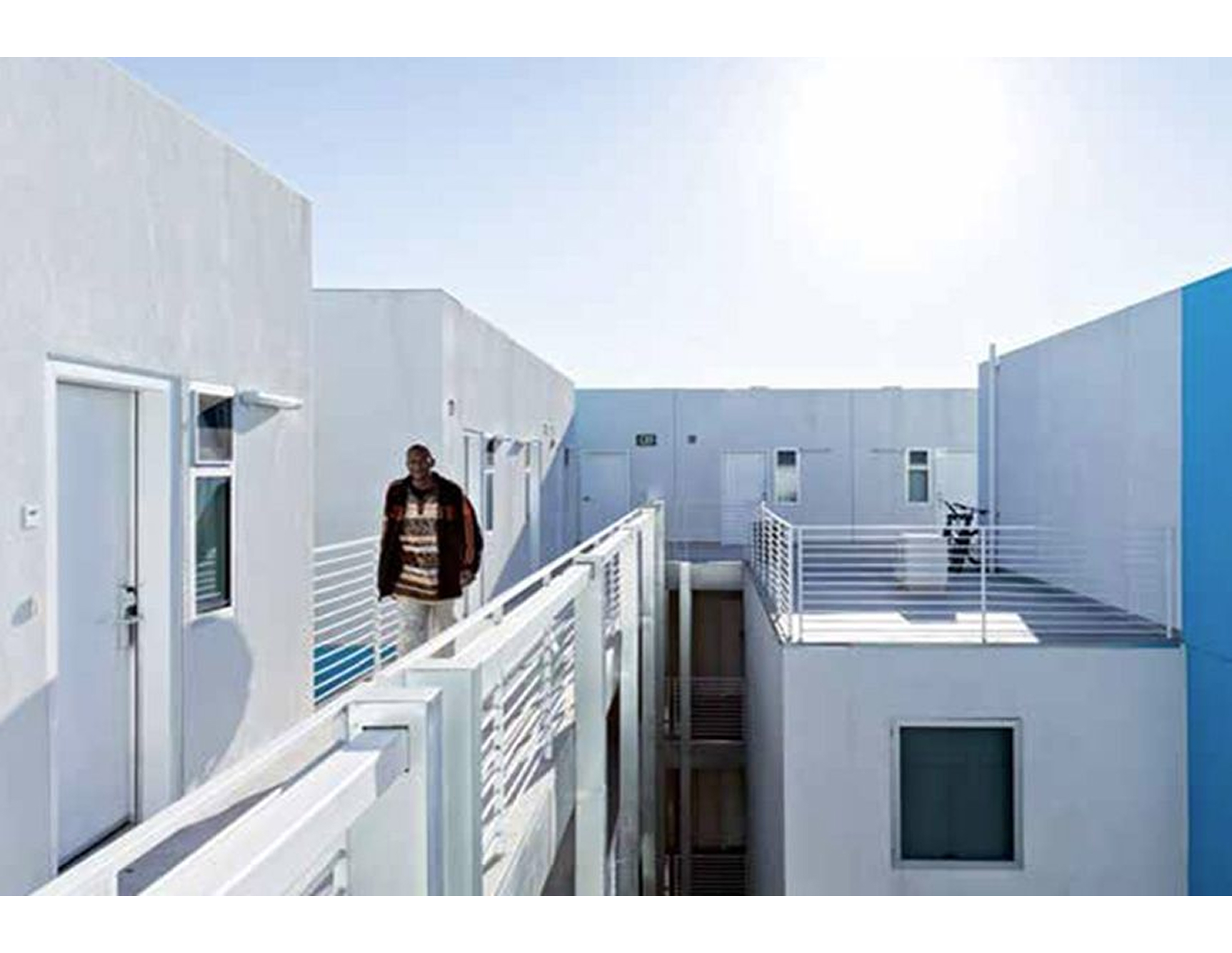
Although many works in this section are abstract, they maintain architectural relevance through spatial implication. Diagrams suggest circulation, hierarchy, and enclosure, while essays frame architectural space as a system of relationships rather than objects. The absence of fixed program or site allows these works to operate across multiple contexts, reinforcing their conceptual flexibility. This ambiguity invites interpretation and positions the viewer or reader as an active participant in meaning-making. The project demonstrates how architecture can exist beyond built form, operating through thought, drawing, and language.
Graphic Language & Representation Strategy
ThA consistent graphic language ensures cohesion across diverse works. Line weight, alignment, and compositional balance are carefully controlled, reinforcing clarity and readability. Written content is visually structured to complement the graphic material, emphasizing hierarchy and flow. This alignment between visual and textual representation strengthens the overall coherence of the project. The restrained aesthetic ensures that attention remains focused on ideas rather than stylistic expression.
Representation & Tools Used
The project utilizes a combination of digital and analog tools. Illustrator and InDesign are used for graphic composition and layout, while Rhino supports spatial studies where required. Writing is developed through iterative drafting, with careful attention to structure and clarity. The integration of visual and written tools reinforces the project’s interdisciplinary approach. Representation is treated as a method of thinking, not merely communication.
Architectural Resolution
Other Works & Essay resolves as a reflective archive rather than a singular architectural proposal. Its strength lies in revealing the conceptual and intellectual foundation underlying the portfolio. The project demonstrates that architecture can be produced through writing, drawing, and research as effectively as through buildings. It positions architectural practice as a form of knowledge production grounded in inquiry and reflection.
Critical Reflection
This project underscores the importance of theory and research within architectural education and practice. By foregrounding writing and exploratory work, it challenges conventional hierarchies that privilege built outcomes over intellectual production. Other Works & Essay reinforces the idea that architecture is not only what is built, but also what is thought, drawn, and written. It affirms the role of critical reflection as an essential component of architectural identity.