Project Overview
The Vanguard Watch Culture Center is an advanced architectural investigation into the spatial translation of time, precision, and mechanical logic. Conceived as a cultural institution dedicated to horology, the project explores how the principles governing watchmaking—accuracy, calibration, sequencing, and tolerance—can inform architectural organization, structure, and experience.
Rather than functioning solely as a museum, the building operates as a hybrid cultural environment: exhibition space, research archive, public forum, and architectural instrument. Time is treated not only as a subject on display, but as an operative system embedded within the building’s spatial logic.
The project draws conceptual parallels between the micro-scale mechanisms of watches and the macro-scale organization of architecture. Just as watchmaking compresses astronomical cycles into compact mechanical systems, the building compresses abstract temporal systems into inhabitable space. Every architectural decision—from circulation to structural layering—is derived from principles of precision and sequence.
The design avoids symbolic or decorative references to time. Instead, it focuses on operational clarity. Architecture becomes a framework that measures, organizes, and reveals movement, duration, and rhythm through spatial progression.
The Vanguard Watch Culture Center positions architecture as an analytical medium capable of translating highly specialized cultural practices into spatial form.
DESIGN CHOICES
Concept & Intent
The core intent of the project is to investigate time as an experiential condition rather than a visual motif. Time is not represented through clocks or symbols, but through spatial sequencing, compression, release, and repetition.
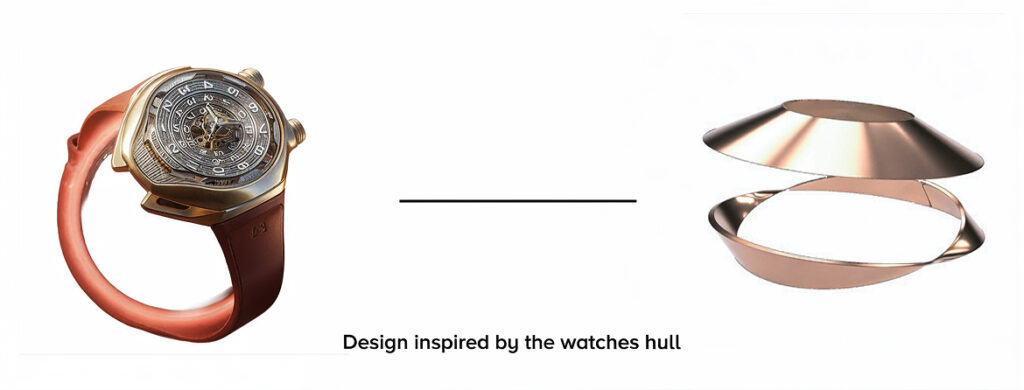
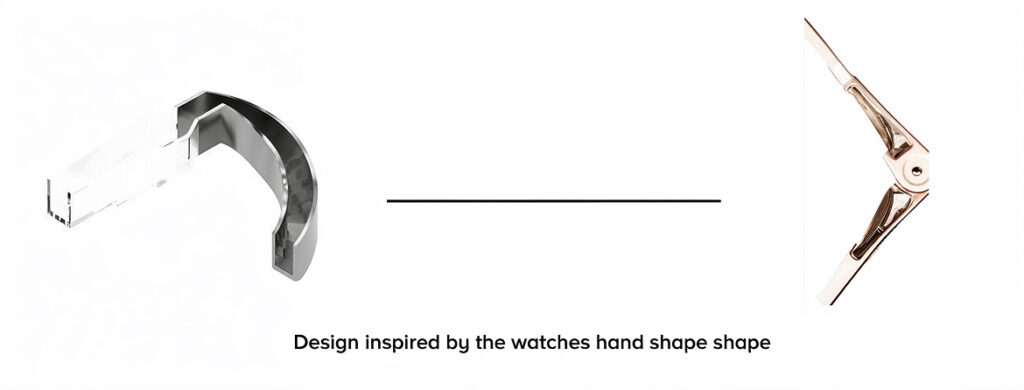
Watches transform cosmic and planetary movements into calibrated, human-scale systems. This project adopts the same logic: abstract temporal phenomena are translated into spatial order. Circulation paths function as calibrated sequences, exhibition spaces act as moments of pause, and structural layers mirror mechanical assemblies.
The project deliberately rejects expressive formal gestures. Instead, it prioritizes discipline, restraint, and internal logic. Architectural form emerges as a consequence of system performance rather than aesthetic intent.
The intent is also cultural. Watchmaking represents a tradition of extreme precision, patience, and craft. The building becomes a spatial manifestation of those values—slow, deliberate, and exacting.
Ultimately, the project aims to reframe architecture as an instrument: a device that structures experience, measures movement, and reveals the passage of time through space.
Theoretical & Cultural References
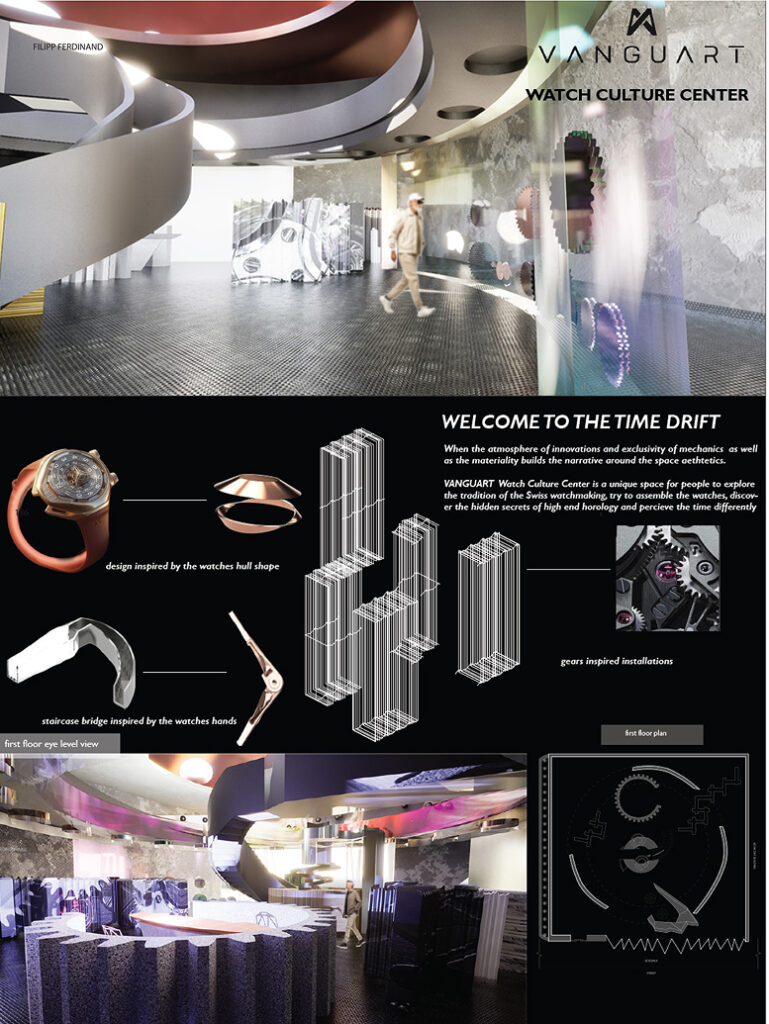
The project draws from industrial precision culture, modernist tectonic clarity, and institutional museum architecture. References include mechanical assemblies, exploded diagrams, and architectural precedents where circulation functions as narrative.
Horology provides the conceptual foundation—not as imagery, but as operational logic. Concepts such as tolerance, layering, calibration, and sequencing inform architectural decision-making.
Architecturally, the project aligns with traditions that emphasize legibility of structure and process. Buildings are understood as systems rather than objects, and architecture is treated as a disciplined, analytical practice.
Cultural institutions that choreograph movement—rather than simply contain exhibits—also inform the project’s spatial organization.
DESIGN CHOICES
Data, Rules & System Logic
The organizational logic of the building is derived from sequential systems similar to mechanical movements. Programmatic components are arranged in calibrated layers, each responding to functional and experiential requirements.
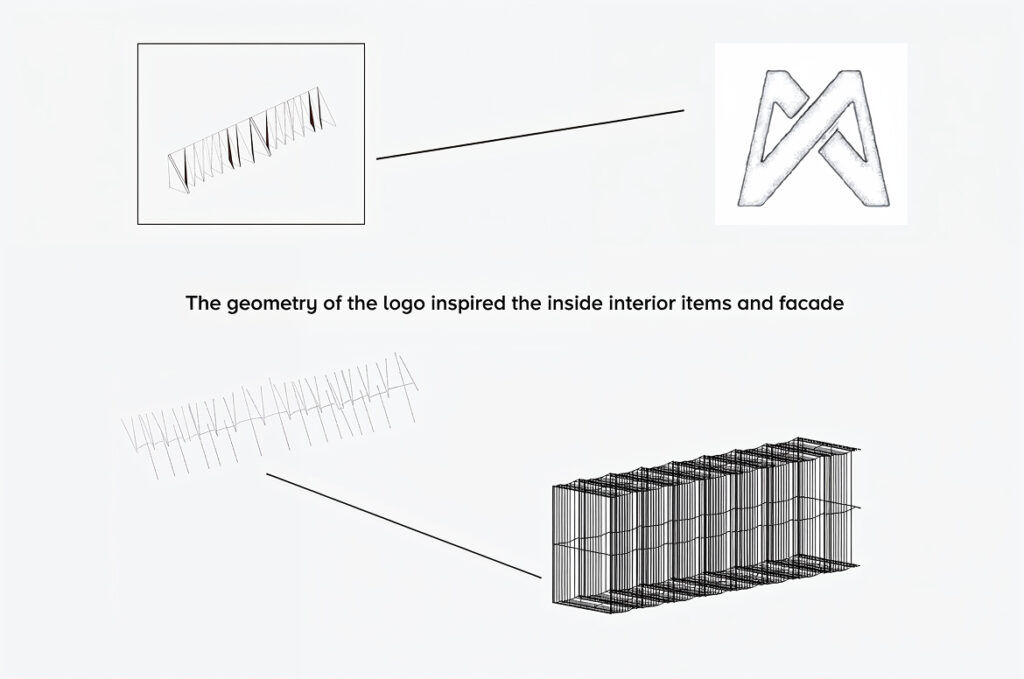
Rules govern circulation hierarchy, structural spacing, and façade rhythm. Repetition establishes order, while controlled variation introduces spatial differentiation.
Tolerances—gaps, overlaps, and joints—are treated as critical design elements rather than residual spaces. These interstitial zones mediate between structure, enclosure, and movement.
The system ensures that all architectural elements remain interconnected. No component functions independently; each contributes to the overall temporal logic of the building.
This rule-based approach guarantees coherence while allowing spatial richness to emerge.
DESIGN CHOICES
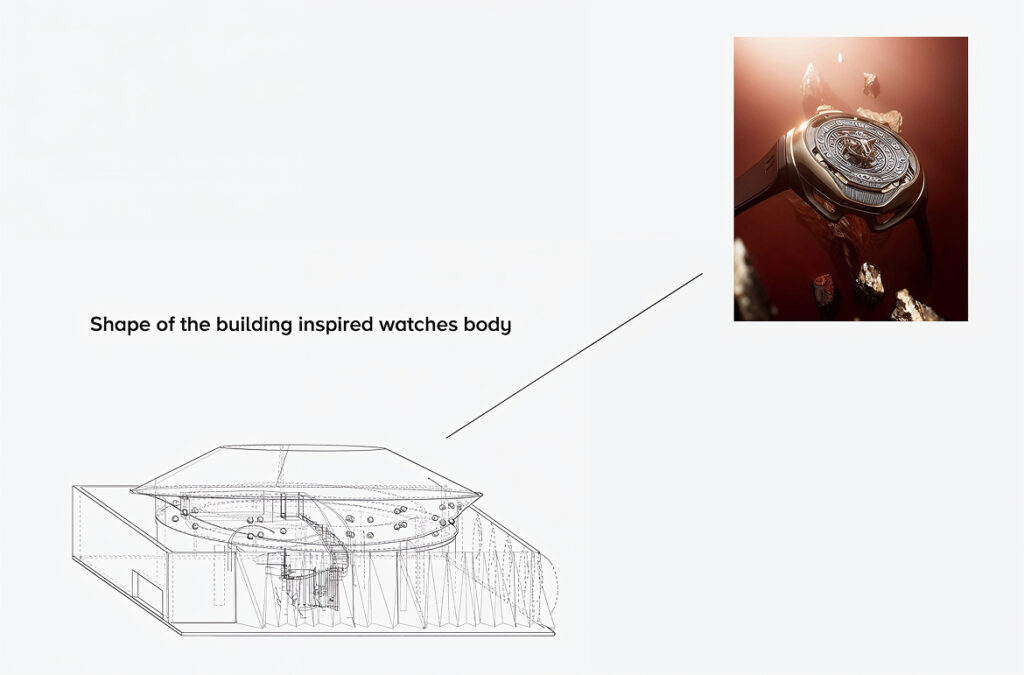
Formal Development Process
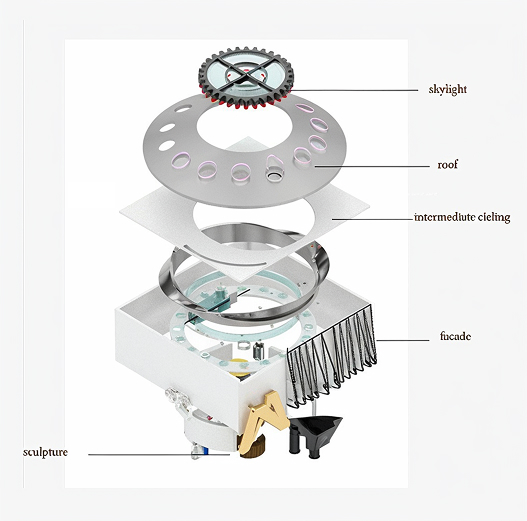
The formal development begins with exploded axonometric studies, isolating programmatic and structural components. These studies allow each element to be examined independently before being reintegrated into the whole.
Fragments are recomposed through iterative testing, ensuring that relationships remain legible. Massing studies focus on maintaining clarity rather than complexity.
As the design evolves, layers are compressed and expanded to reflect varying degrees of public engagement. Structural systems are integrated early to ensure tectonic coherence.
The process prioritizes refinement over invention. Each iteration strengthens system clarity while preserving flexibility.
The final form reads as a unified architectural mechanism—complex yet controlled.
COLLAGE
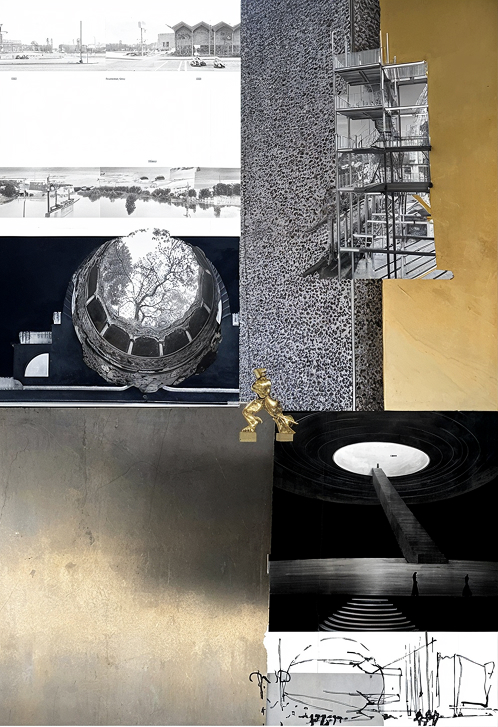
Representation & Tools Used
The project utilizes Rhino for precise geometric control and spatial coordination. Illustrator is used to establish line hierarchy and diagrammatic clarity.
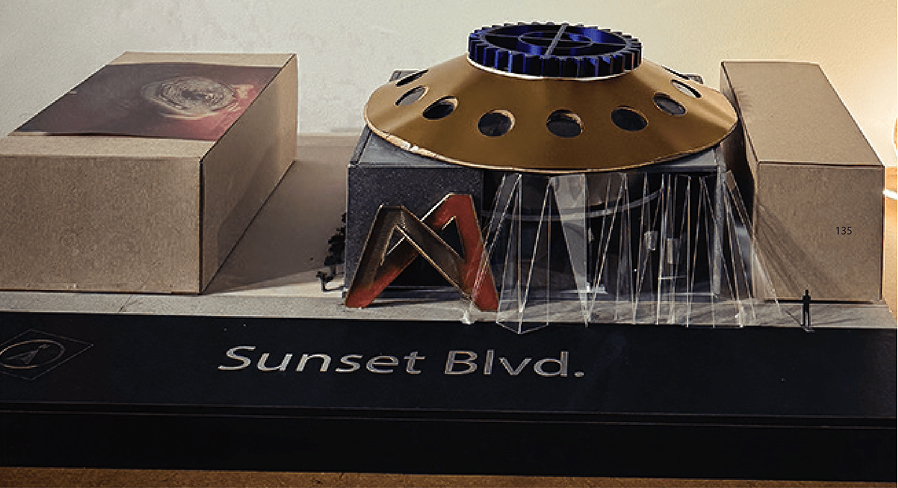
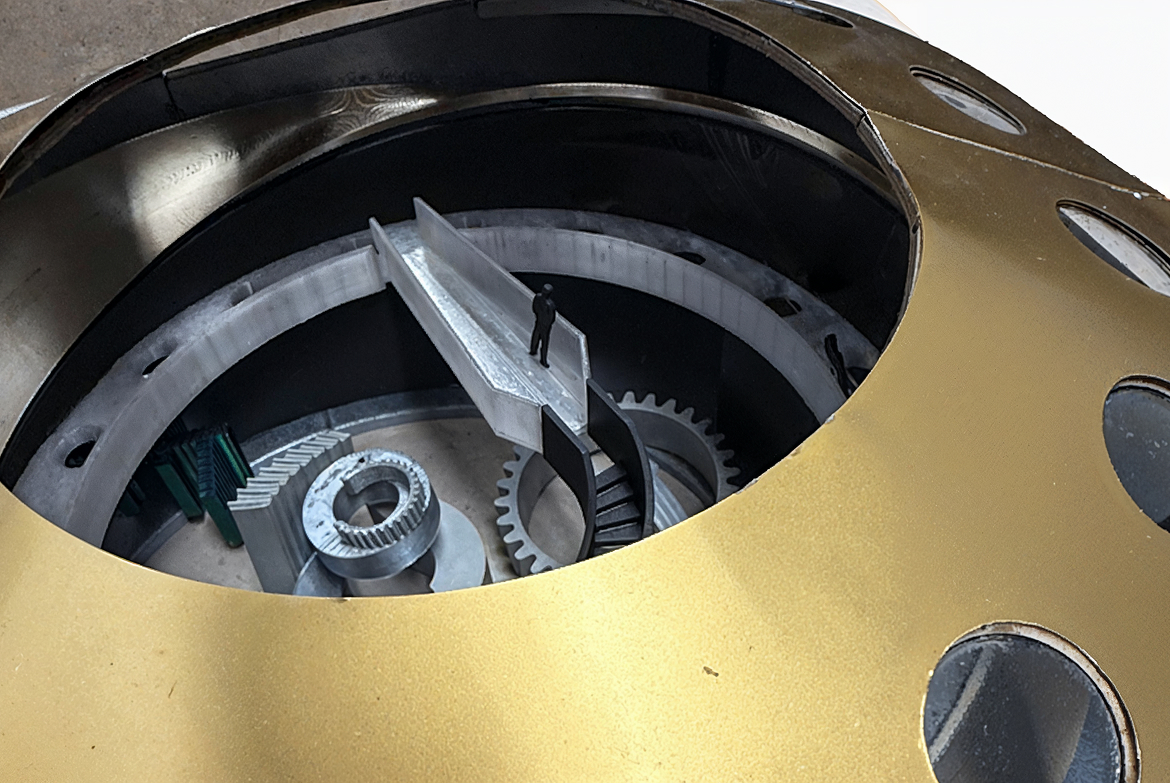
Physical paper models test thickness, fold logic, and edge conditions, reinforcing material understanding.
Representation remains restrained to emphasize structure and system logic rather than visual effect.
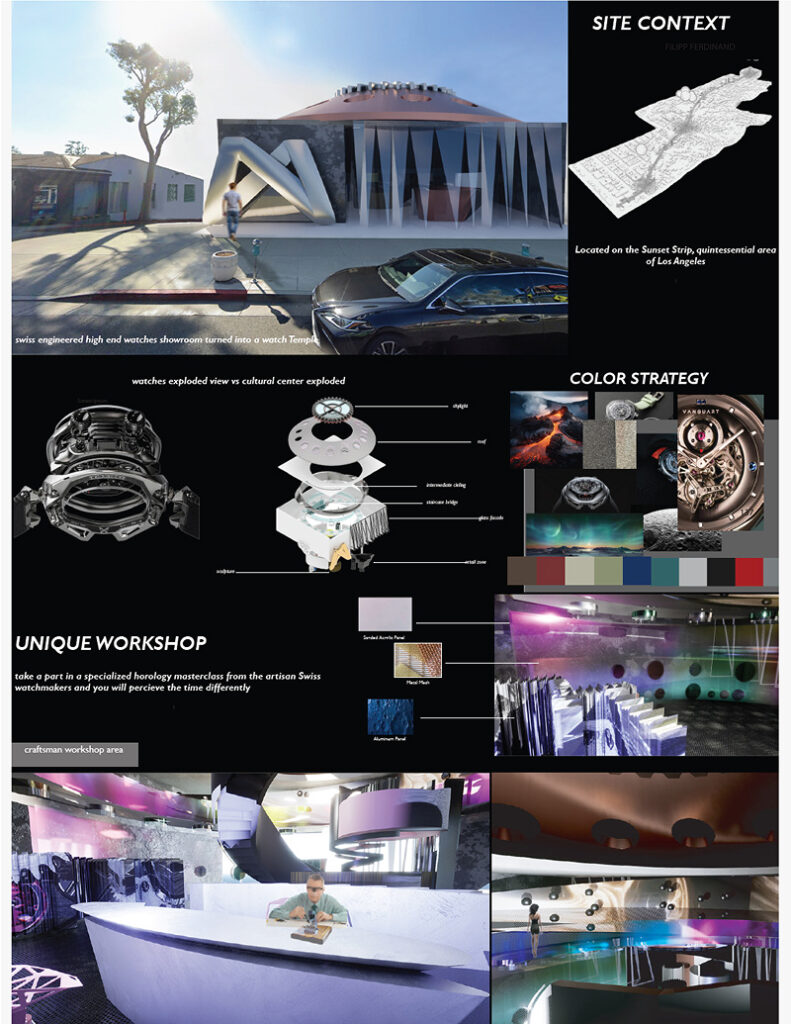
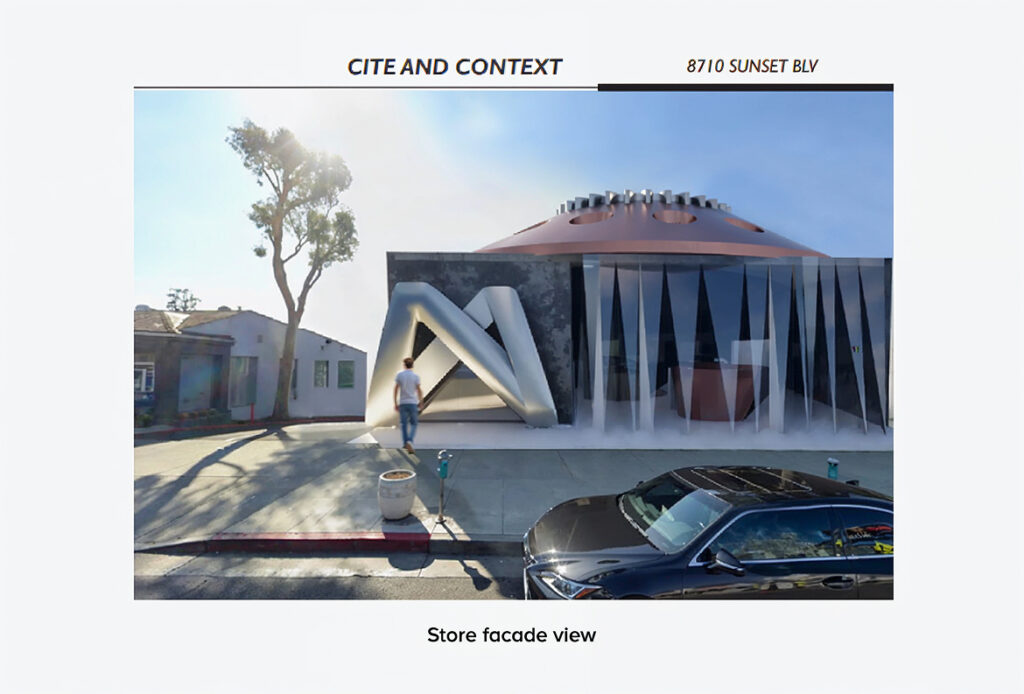
Store facade view
Spatial & Experiential Qualities
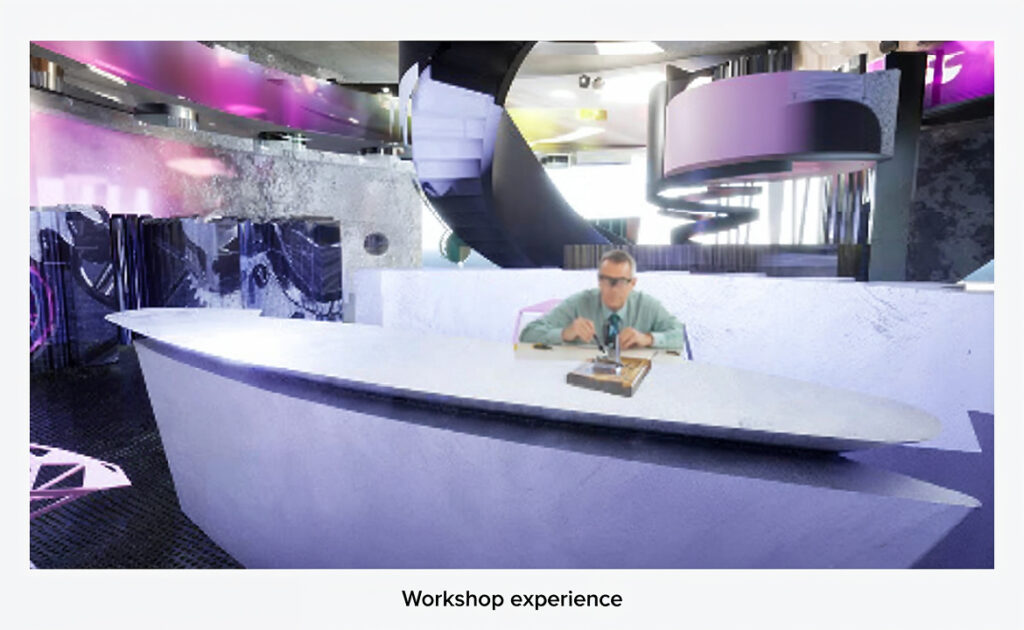
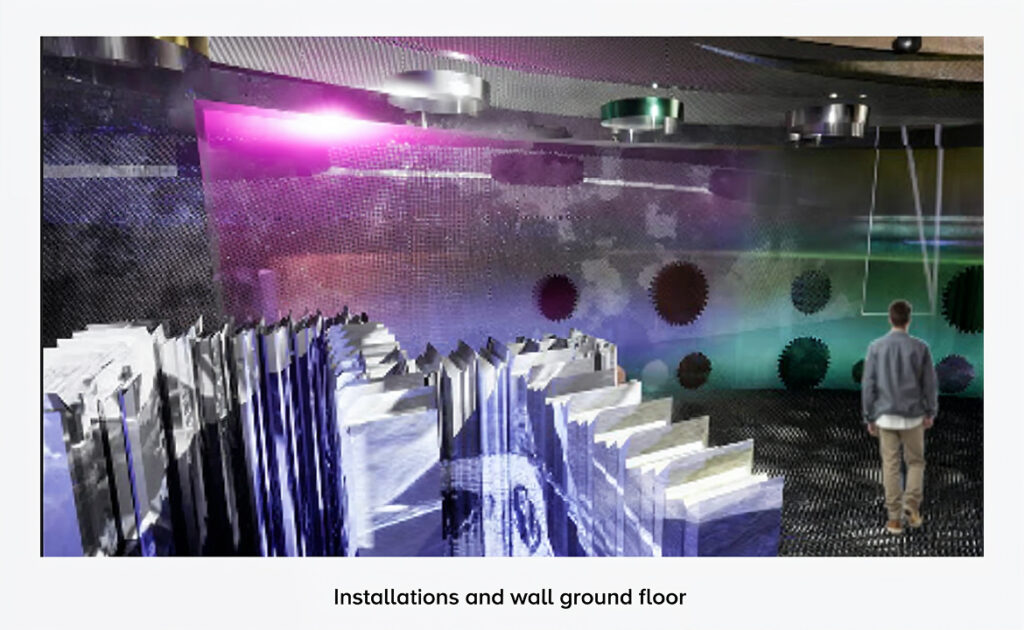
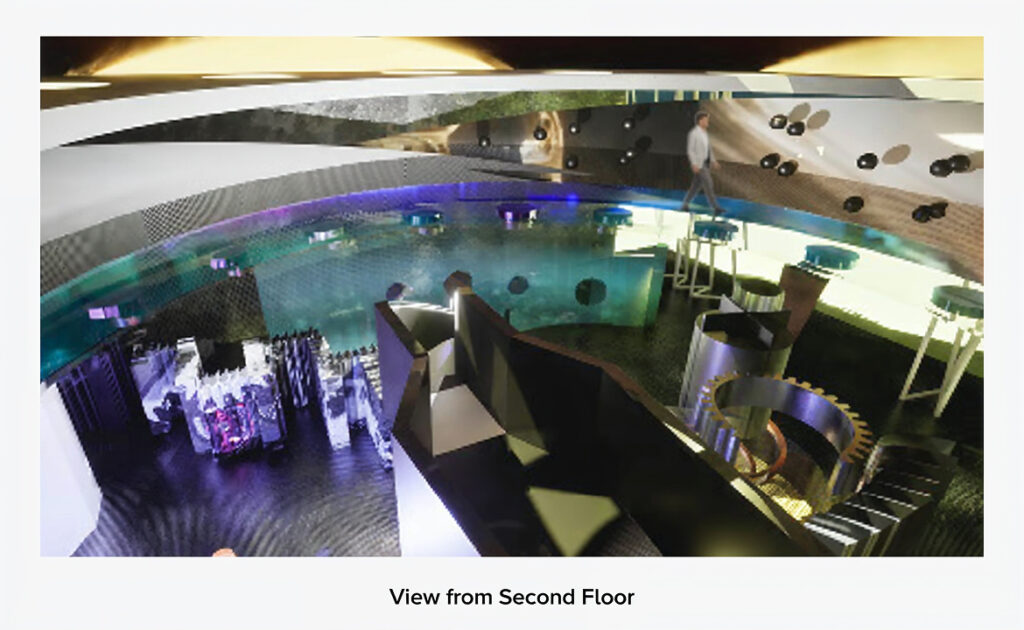
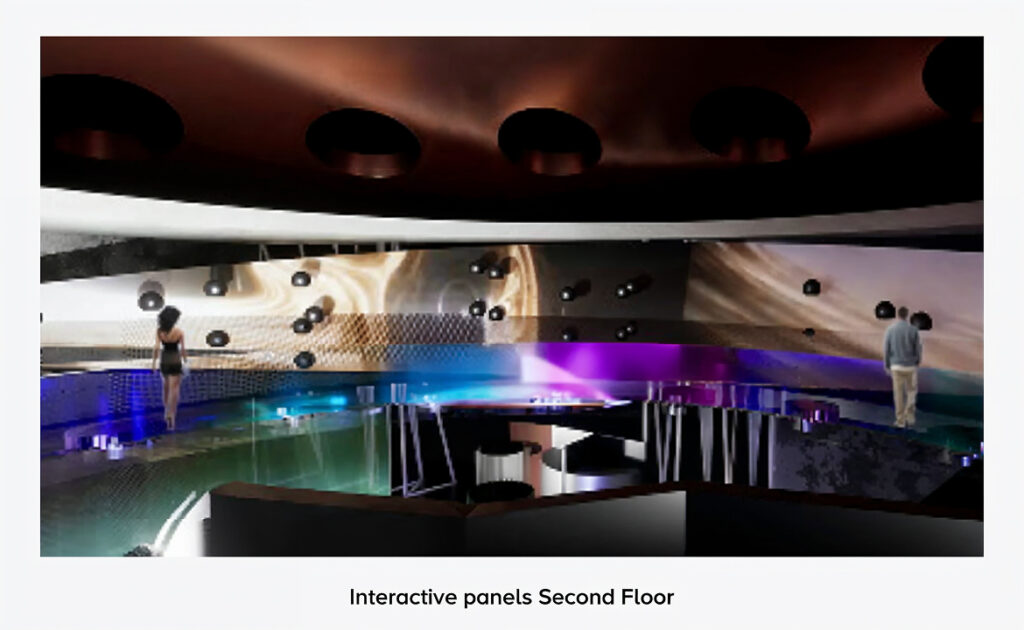
Spatial experience is defined by rhythm and sequence. Visitors move through compressed circulation zones that open into expansive exhibition spaces.
This alternation mirrors mechanical tension and release. Slow transitions encourage reflection, while open volumes accommodate collective experience.
Natural light is calibrated to reinforce temporal awareness, changing throughout the day and activating interior layers.
The building does not dictate a single path; instead, it offers multiple calibrated journeys.
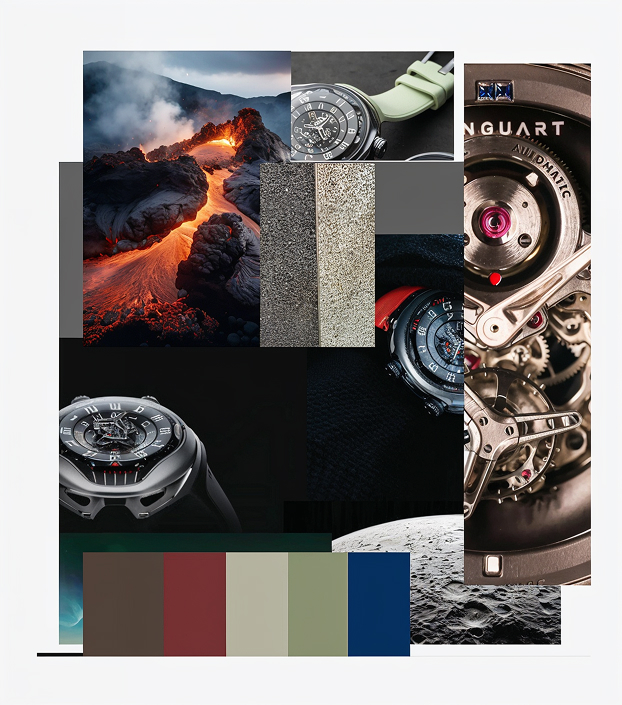
COLOR STRATEGY
Architectural Resolution
The final building resolves as a layered tectonic system where structure, enclosure, and circulation are inseparable.
The façade expresses internal logic rather than surface decoration. Structural rhythm becomes architectural language.
The project achieves clarity without simplification, demonstrating how complex systems can remain legible.
Architecture is presented as a working instrument—precise, disciplined, and experiential.
MATERIAL STRATEGY
INNOVATIVE
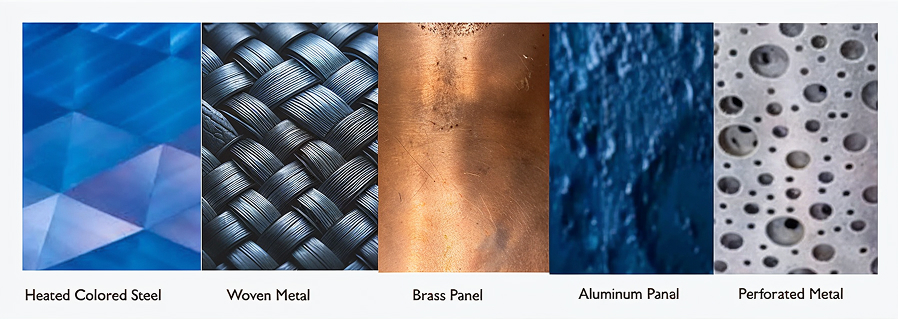
GROUNDED
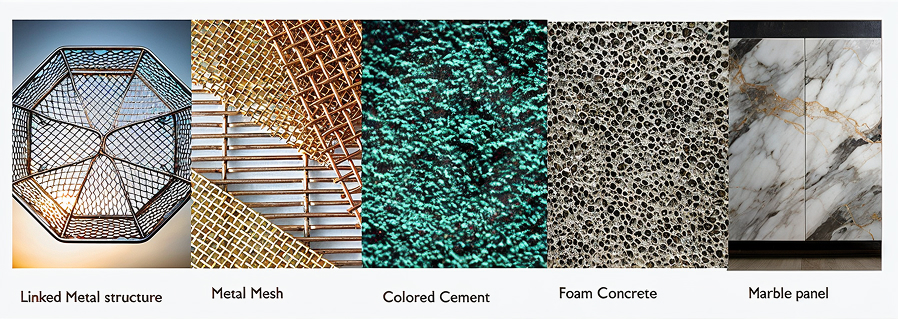
DETAILED
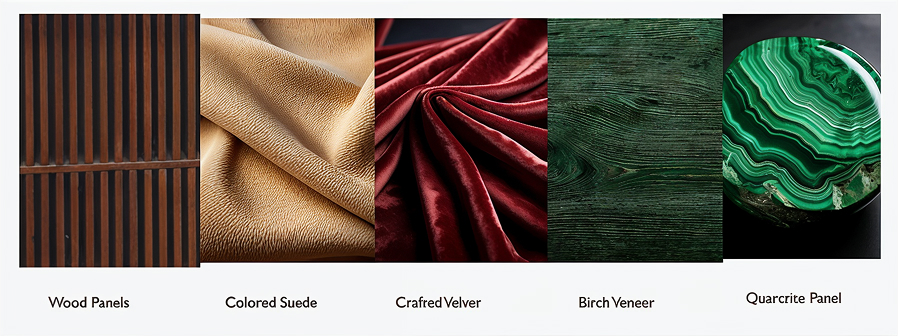
MATERIAL BOARD
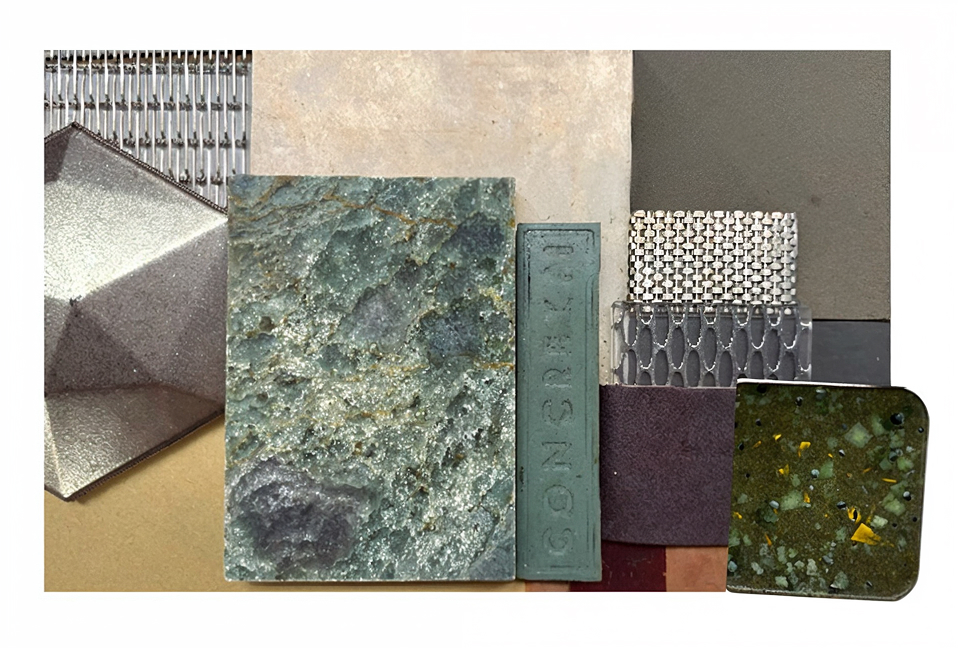
MATERIAL EXPLORATION
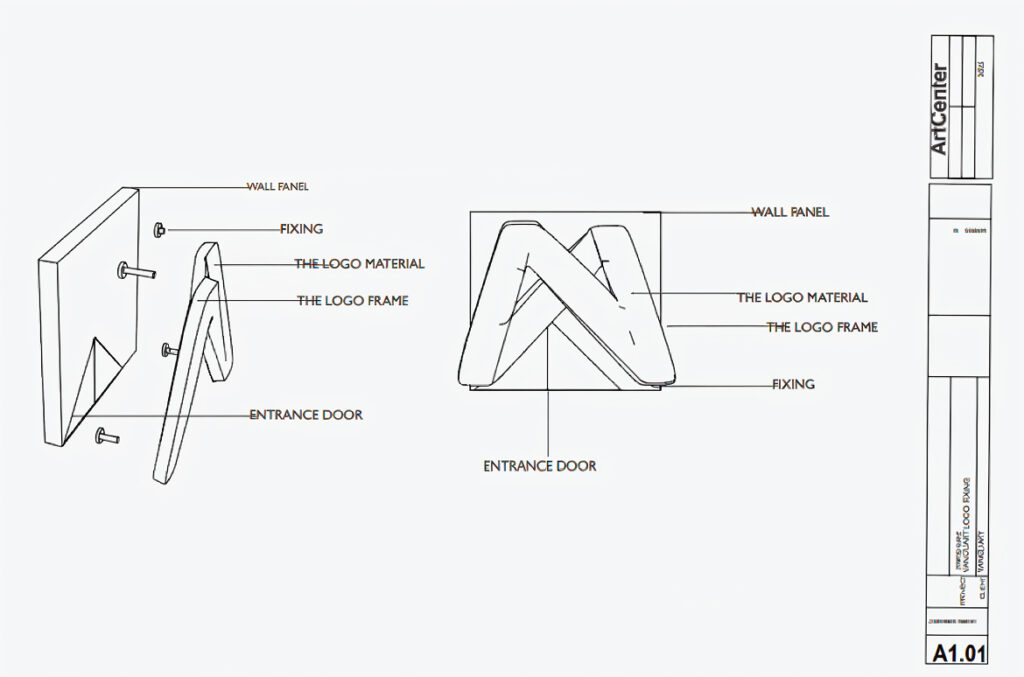
MATERIAL EXPLORATION RENDER
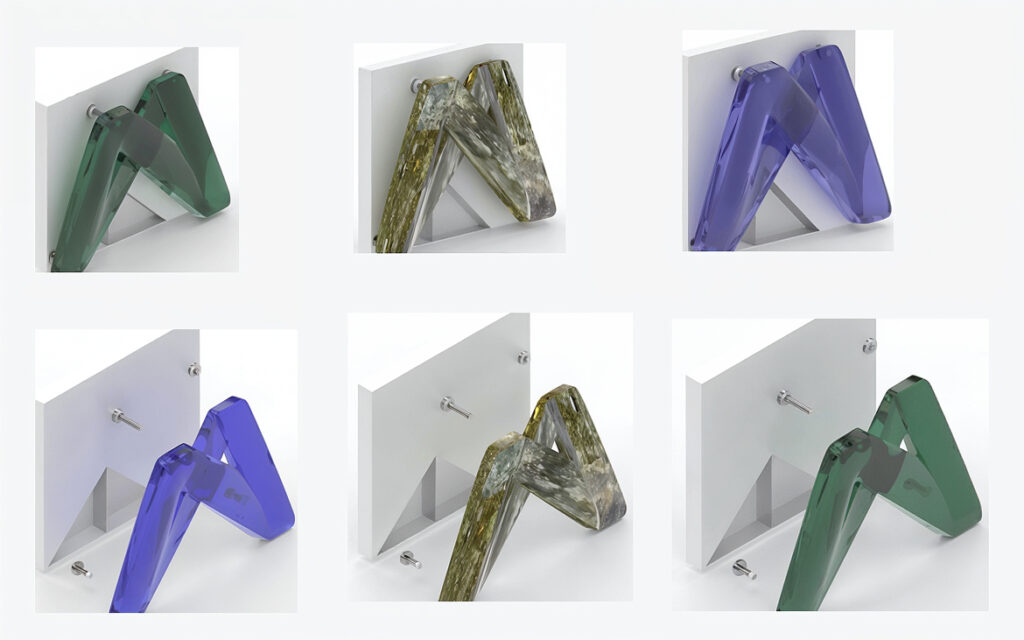
Critical Reflection
The Vanguard Watch Culture Center reframes architecture as a temporal instrument rather than a static container.
It demonstrates the potential of system-driven design to generate meaningful spatial experiences without reliance on symbolism.
The project reinforces the role of architectural discipline, patience, and precision in contemporary practice.
MATERIAL EXPLORATION
VANGUART WATCH CULTURE CENTER
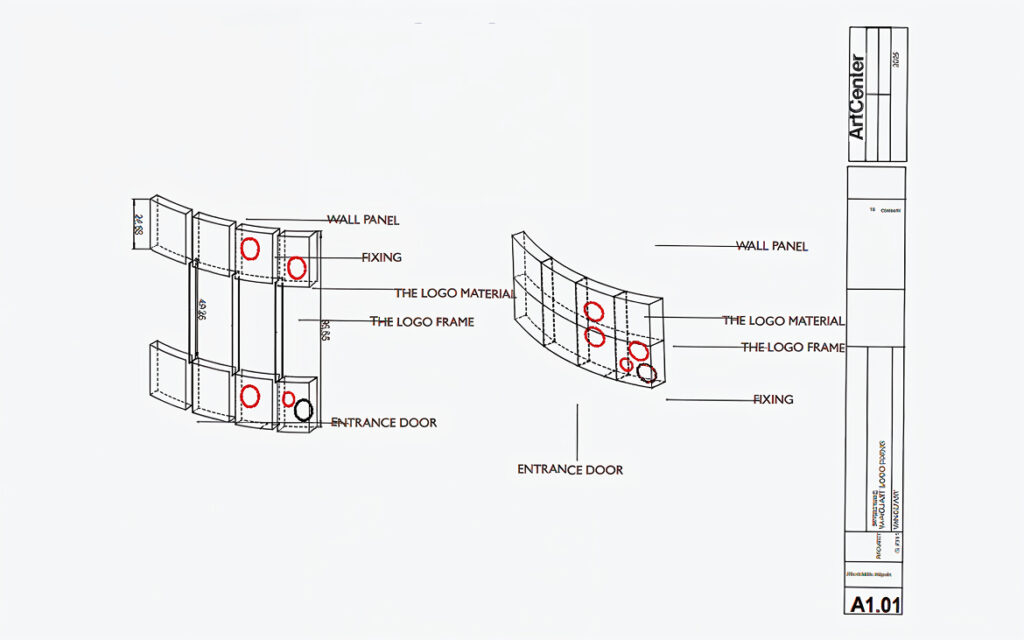
MATERIAL EXPLORATION MODEL
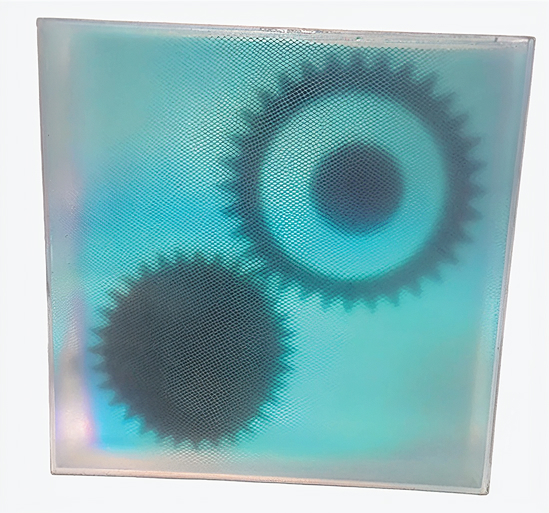
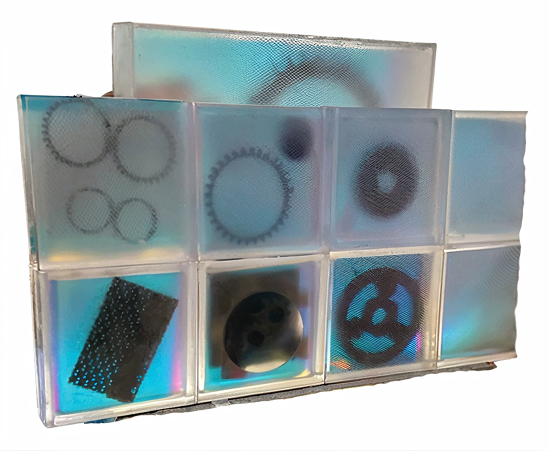
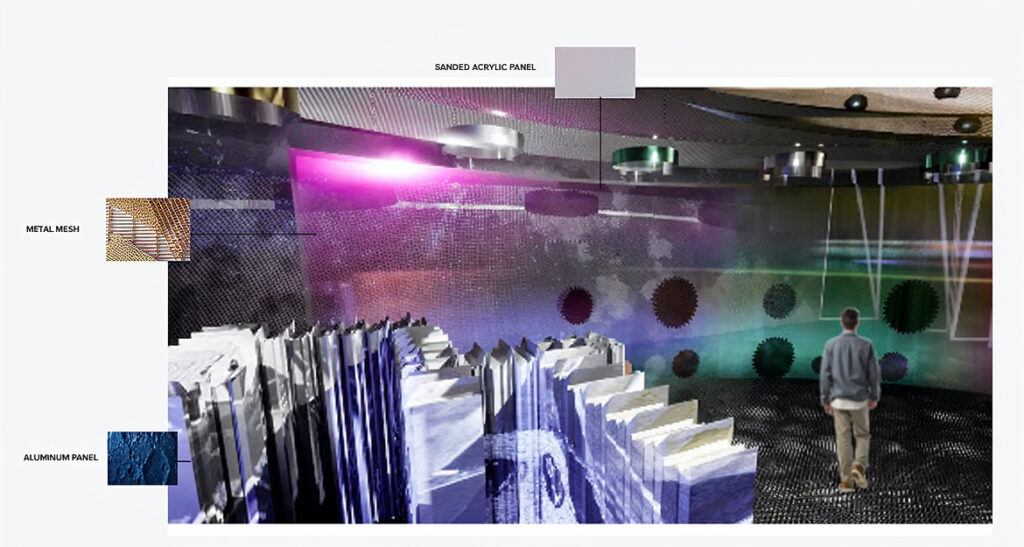
RENDERING MATERIAL EXPLORATION
AXONOMETRIC EXPLOSION
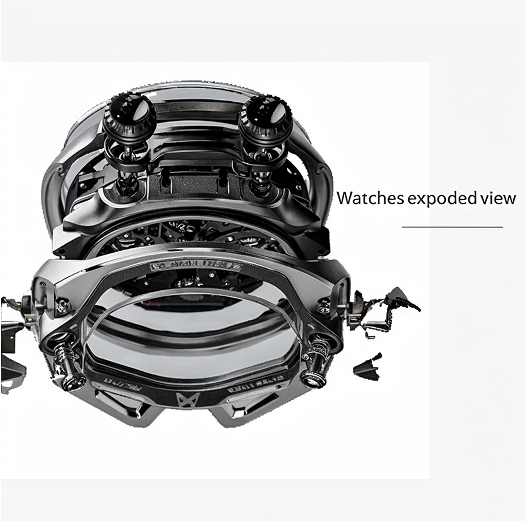
RENDERS
RENDERS
RENDERS
RENDERS
MODEL DETAILS